
• StrictlyVC: June 11, 2014

    Happy Wednesday, everyone! Sorry for an abundance of typos in yesterday’s issue. StrictlyVC’s beloved children have discovered her early a.m. writing spot. [Sad trombone sound effect.]

    —–

    Top News in the A.M.

    Microsoft is resisting a government search warrant to compel the firm to turn over customer email data held in a server located overseas. Its fear, and that of other tech firms, too: that if the government prevails and can reach across borders, foreign individuals and businesses will flee to their non-U.S. competitors. The Washington Post has the story.

    —–

    This Was Going to Be an Interview with Arvind Sodhani

    I’d planned to run an interview with the president of Intel Capital, Arvind Sodhani, this a.m., but that exchange didn’t come together last night as planned. The good news (sort of): I’ll be interviewing Sodhani, along with SoftTech VC founder Jeff Clavier, at the IBF venture capital conference in San Francisco today. Looking forward to seeing some of you there!

    —–

    New Fundings

    EdgiLife Media, better known as LoveWithFood, a five-year-old, San Mateo, Ca.-based company that has evolved into snack delivery company à la NatureBox, has raised $1.4 million in seed funding. Among its investors: Kapor Capital500 StartupsTEEC Angel FundIronfire CapitalScrum Ventures and an AngelList syndicate led by Facebook Ads creator Yun-Fang Juan. The company has raised a little more than $2 million date. The WSJ has more here.

    Exabeam, a year-old, San Mateo, Ca.-based big data security analytics startup, has raised $10 million in Series A funding led by Norwest Venture Partners. Other investors in the round included Aspect Ventures and entrepreneur-investor Schlomo Kramer.

    Gill Business Systems, a four-year-old, Kiev, Ukraine-based inventory distribution system for passenger bus transportation carriers and online ticket sales, has raised $3 million in Series A funding from InVenture PartnersIntel Capital and FinSight Ventures.

    Handybook, a two-year-old, New York-based company whose app enables users to order housecleaning or other home repair services on demand, has raised $30 million in new funding led by Revolution Growth. Other participants in the round include earlier backers Highland Capital and General Catalyst Partners. The company has now raised $49 million altogether. Dealbook has more here.

    Homestay, a seven-year-old, Dublin, Ireland-based online travel booking platform, has raised $3 million in funding led by Delta Partners, with participation from Enterprise Ireland. The company has also acquired Berlin-based HomestayBookingreports FinSMEs.

    IndoorAtlas, a two-year-old company whose indoor mapping technology can reportedly determine locations inside a structure to within six feet, has raising $4.5 million in a round led by Mobility Ventures and the Finnish seed fund KoppiCatchreports the WSJ’s Deborah Gage. The company, which has offices in Finland and Mountain View, Ca., might have benefited from an extended profile in the New York Times last month that noted the “somewhat unorthodox” business plan of the company, which will “measure and store your building’s magnetic fingerprint in its computing cloud” but charge customers $99 per month per building to then keep that information private.

    Innovari, a three-year-old, Austin, Tx.-based interactive energy platform developer, has raised an undisclosed amount of Series B funding from VantagePoint Capital Partners. The company, which operated in stealth mode until now, hasn’t publicly disclosed previous funding or investors.

    Krux Digital, a 4.5-year-old, San Francisco-based data management platform that helps brands understand consumers’ behavior, has raised $35 million in Series B funding from SAP VenturesTime Warner,Temasek, and Visionnaire Ventures, along with earlier investors Accel Partners and IDG Ventures.

    Light, a year-old, Palo Alto, Ca.-based company that’s says it’s re-imagining the art and science of photography, has raised a $9.7 million Series A round co-led by Bessemer Venture Partners and Charles River VenturesQualcomm also participated in the funding.

    Okta, a six-year-old, San Francisco-based identity management service that helps companies manage security across theirs and their employees’ applications, has raised $75 million in Series E funding led by Sequoia Capital. Earlier investors Andreessen HorowitzGreylock Partners, and Khosla Ventures also participated in the round, alongside new investors Janus Capital Group and Altimeter Capital. The company has raised $155 million to date, shows Crunchbase.

    Payoneer, a nine-year-old, New York-based financial services company that enables users to transfer and receive money through re-loadable MasterCards, has raised an undisclosed amount of funding from the investment arm of Ping An, a China-based insurance company. The company has raised at least $39 million in previous funding rounds, shows Crunchbase, including from Carmel VenturesSusquehanna Growth EquityGreylock IL and Vintage Venture Partners.

    Placed, a three-year-old, Seattle-based location-based analytics provider that lets users opt-in to online surveys, has raised $10 million in Series B funding led by Two Sigma Ventures, with participation from earlier investor Madrona Venture Group. The company had previously raised $3.4 million, shows Crunchbase.

    Plex, a 19-year-old, Troy, Mi.-based software company that sells its ERP and automation software to manufacturers in a variety of industries, has raised $50 million in funding led by funds and institutional accounts managed by T. Rowe Price, as well as with earlier investor Accel Partners. The company has raised $86.5 million altogether, shows Crunchbase.

    RebelMail, a months-old, Washington, D.C.-based company that makes an interactive email product, has raised a $2 million seed round co-led by Vaizra and Boldstart. Other investors include Lerer Ventures, David Tisch’s Box Group, Gary Vaynerchuk’s Vayner RSE, and angel investors. Business Insider has the story here.

    SourceClear, a year-old, Seattle-based software security startup whose analytics and machine-earning tools better protect popular development frameworks from hackers, has raised $1.5 million in seed funding from individual investors.

    Stitch Fix, a three-year-old, San Francisco-based online retailer and personal shopping service, has raised $30 million in Series C funding from earlier investors Benchmark and Baseline Ventures. The company has raised $46.8 million altogether, shows Crunchbase.

    TurnKey Vacation Rentals, a 1.5-year-old, Austin, Tx.-based rental manager that helps homeowners manage and rent out their space, has raised $3 million in seed funding from Silverton Partners and about a dozen angel investors from the online travel industry, including Rich BartonGregg Brockway, and Alexis de Belloy. TurnKey has raised $4.8 million altogether.

    Visier, a four-year-old, Vancouver-based analytics platform that helps HR professionals understand key data like which top talent is at risk of leaving and what’s driving turnover, has raised $25.5 million in Series C funding led by Adams Street Partners. The company has now raised $46.5 million, including from earlier investors Foundation Capital and Summit Partners.

    Weave, a months-old, Pleasant Grove, Ut.-based VoIP service for doctors that also helps manage patient records, has raised $5 million in Series A funding led by A Capital, the new, early-stage fund of Ronny Conway. Other investors in the round include HomebrewSV Angel, and Y Combinator.

    Zaius, a two-year-old, Cambridge, Ma.-based company that simplifies how businesses collect, analyze and use data to improve customers’ digital experiences, has raised $6.3 million in Series A funding led by Matrix Partners.

    Zula, a two-year-old, New York-based team communication app cofounded by Vonage cofounder Jeff Pulver, has raised $3 million in Series A funding led by Mort Meyerson, the former CEO of EDS and Perot Systems. Other participants in the round included Ourcrowd, Microsoft Ventures, and other individual investors.

    —–

    New Funds

    Index Ventures, the 18-year-old, early-stage venture firm with offices in Geneva, London and San Francisco, has raised $543 million for its seventh and newest fund, the firm announced yesterday. The WSJ has more, including a look at Index’s seven exits over the last 12 months.

    Khosla Ventures is targeting about $1 billion for its fifth fund, reports peHUB. The firm closed Khosla Ventures IV in 2011 with $1.05 billion. According to peHUB, that fund charged a 2 percent management fee and a 30 percent carried interest rate and was generating a 1.08x total value multiple as of March.

    Lowercase Capital, a 6.5-year-old, Bay Area-based venture firm, is reportedly raising a new $25 million fund. With it, Lowercase’s founder and managing director, Chris Sacca, will be stepping away from day-to-day operations, too, reports TechCrunch, citing the tremendous success of the firm’s first two funds. (TechCrunch co-editor Alexia Tsotsis observes that the value of Lowercase’s debut fund, an $8.5 million vehicle, has risen more than 100 times thanks to an early investment in Uber.) Much more here.

    Scrum Ventures, a Foster City, Ca.-based early-stage firm that backs mobile-technology startups looking for growth in Asian markets, has raised $4.3 million of a planned $20 million second fund, shows an SEC filing first flagged by VentureWire. Scrum was founded by Tak Miyata, a graduate of Waseda University in Tokyo who went on to launch two startups: Neven Vision, a biometric and photo recognition company acquired by Google in 2006; and J-Magic, another picture-based search company that was acquired in 2009 by Mixi, a Japan-based social network. Miyata remains CEO of Mixi America. Among the firm’s newest investments is EdgiLife Media (see above, in “New Fundings”).

    —–

    IPOs

    HealthEquity, a 12-year-old, Draper, Ut.-based custodian of health-savings accounts, has disclosed plans to raise up to $100 million in an IPO. The company has raised at least $12.5 million from investors, shows Crunchbase, including Berkley Capital.

    Minerva Neurosciences, a seven-year-old, Cambridge, Ma.-based company that develops treatments for central nervous system diseases, has revealed plans to price 5.45 million IPO shares at between $10 and $12. The company had filed for an IPO confidentially in February.

    —–

    Exits

    Alibaba Group is buying all the remaining shares of mobile browser firmUCWeb in the biggest merger in Chinese Internet history. Reuters has more here.

    MobileSpan, a three-year-old, Santa Clara, Ca.-based company that helps employees securely access content behind their company’s firewall, has been acquired for undisclosed terms by DropBox, which plans to shut down the company by year end. MobileSpan had raised $2.3 million from True Ventures and K9 Ventures, shows Crunchbase.

    Skybox Imaging, a five-year-old, Mountain View, Ca.-based provider of high-quality satellite photos, has officially been acquired by Google for $500 million after weeks of negotiations. The company had raised at least $91 million from investors, shows Crunchbase, including Draper AssociatesAsset Management VenturesCrunchFundCanaan PartnersNorwest Venture Partners,Khosla Ventures, and Bessemer Venture Partners. Dealbook has more here.

    Singapore Telecommunications is acquiring two ad tech companies for $400 million, reports TechCrunchKontera, an 11-year-old, San Francisco-based company that sells its content marketing, social marketing, and analytics software to brands, is fetching $150 million. The company had raised $36.1 million from investors, including Sequoia CapitalCarmel VenturesTenaya Capital, and Globespan Capital Partners. SingTel is meanwhile paying $235 million for Adconion, a nine-year-old cross-channel digital advertising company with offices in Santa Monica, Ca., and London. Adconion had raised $114 million from investors, including Index Ventures and Wellington Partners.

    —–

    People

    Ross Levinsohn has left his latest gig as CEO of Guggenheim Digital Mediareports Re/code. The former interim CEO of Yahoo and former president of News Corp.’s Fox Interactive Group had joined Guggenheim in January with a mandate that included acquiring new media companies. None of several attempts at deals — including to acquire Hulu — panned out, however. No word yet on Levinsohn’s next move, says Re/code, but it notes that Levinsohn’s famously debonair ‘do remains, as ever, “hairtastic.”

    Scott McNealy, the billionaire co-founder of Sun Microsystems, has four sons, and he spent part of this week playing caddy to one of them, a Stanford sophomore, at a Tuesday practice round at the U.S. Open. “I’ve been caddying for him – carrying car seats, luggage, food, his golf bag – since he was 1 years old,” McNealy joked to Golfweek.

    Jane Mendillo, who has served as the president and CEO of Harvard Management Company since 2008, made the surprising announcement yesterday that she is stepping down from her role at the end of this year. Mendillo worked for HMC for 21 years altogether. Harvard hasn’t yet released its performance for the latest fiscal year, which ends June 30, but according to the Boston Globe, the university estimates an average annual return of 11 percent to 12 percent for the past five years on Mendillo’s watch. “Harvard Management is in a really good spot now,” Mendillo told the Globe. “The company and the portfolio are firing on all cylinders.” Mendillo added that she has no immediate plans to take another job.

    Pinterest has made a couple of big hires, reports VentureBeatMichael Lopp, a former director at Palantir, as well as former senior engineering manager at Apple, has joined the company as its head of engineering. Meanwhile, Bob Baxley, the former director of design for Apple’s online store, is Pinterest’s new head of product design and research.

    Viryanet, a 26-year-old, Southborough, Ma.-based company that makes mobile workforce management software, has been acquired by Verisae, a 14-year-old, Minneapolis-based maker of cloud-based maintenance, energy, and sustainability management software. Verisae is paying roughly $18.8 million in cash for the company, which has been trading publicly, with a roughly $8.5 million market cap.

    —–

    Job Listings

    NewSchools Venture Fund, a 16-year-old, Oakland, Ca.-based venture philanthropy firm, is looking to hire an associate partner.

    —–

    Data

    Tech immigrants: An excellent map of Silicon Valley’s imported talent.

    —–

    Essential Reads

    Uh oh, startups. Amazon is planning to launch a marketplace for local services later this year, and Reuters sources say that means access to everything from babysitters to handymen.

    The bitcoin app that could create a black market for leaked data.

    The young princes of L.A.’s tech scene.

    Two studies by researchers at Virginia Tech have found that even cars that aren’t fully autonomous but that automate some of the most dangerous aspects of driving could have as big an effect as seatbelts.

    —–

    Detours

    tomato a day keeps the doctor away.

    The political memoir title generator.

    A letter written by John Steinbeck in 1958 to his love-struck son.

    —–

    Retail Therapy

    Paint-speckled furniture.

    Augmented reality glasses that will not make you look absurd. Comparatively.

    —–

    To sign up for StrictlyVC, click here. To advertise, click here.
  • StrictlyVC: June 10, 2014

    Hi, everyone, hope your Tuesday is off to a fine start.

    —–

    Top News in the A.M.

    Another Chinese military unit is hacking U.S. systems, reports the New York Times, citing a new report from the U.S. security technology group Crowdstrike.

    —–

    About.me Lands $11 Million in Fresh Funding

    About.me thinks you want more control over how you’re perceived online, and a growing number of investors is betting it’s right. Indeed, the company — which invites users to create a digital landing page that can link to their Twitter, Facebook, Linkedin and Instagram accounts — has just landed a fresh $11 million in funding led by Foundry Group, along with True Ventures, SoftTech VC, CrunchFund and Bullpen Capital.

    It’s a strong vote of a confidence in a company that sold to AOL in late 2010 and whose cofounders, Tony Conrad and Ryan Freitas, helped buy it back last February for a fraction of what AOL paid. At the time, they said they believed About.me could scale more quickly as an independent operation, and they made transforming the platform into something sticky — versus a place for users to “set it and forget it” — their top priority.

    “We’d created tools for people to create [these online identity pages] but there weren’t engagement loops in the product,” says Conrad. “It wasn’t that that it wasn’t creating value for you, but it wasn’t creating value for us,” he adds, laughing.

    Today, numerous new features that allow users to see who has viewed their profile, compliment other users’ pages, and discover other people on the platform with similar interests, are gaining traction with the company’s registered user base of 4.5 million users. (The company doesn’t break out monthly active users but Conrad calls them “incredibly healthy and growing.”)

    Going forward, says Conrad, the company plans to do even more for some of its fastest-growing demographic groups, including college students.

    “Kids don’t have that much experience, and a lot of them don’t look that great in a traditional CV or resume product,” says Conrad. “About.me ends up replicating what happens in the real world and helps them leverage their personality and their strengths, so that’s one group where we want to create some additional functionality.” Think of the ability to include a resume below the fold as you scroll down, “or a list of ‘here are six things I’ve done,’ ‘here’s my superpower,’ and ‘here’s who inspires me,’” he says.

    As for revenue, that can wait, evidently. “Some of [the company’s new funding] will be used to test out different [paths] to revenue,” says Conrad. “Like Twitter tested out Promoted Tweets and Promoted Accounts, we’ll be busy putting stuff out there and testing it. But the focus of [the new round] isn’t on becoming cash flow positive,” he adds.

    About.me previously raised $5.7 million.

    —–

    New Fundings

    Affirm, a year-old, San Francisco-based small business lending company that assesses borrowers’ risk — and determines rates of interest — using personal data, has raised $45 million from investors, including Khosla VenturesLightspeed Venture Partners and Nyca Partners. Serial entrepeneur Max Levchin is CEO, after hatching the idea from his incubator last year and deciding he was the best person to run the company. The WSJ has more on the company, which is the latest in a growing batch of new financial startups that think they can beat traditional lenders at their own game. (StrictlyVC featured another, Earneston Friday.)

    Bindo, a 3.5-year-old New York-based retail company whose cloud-based iPad checkout system and tools promise to help merchants better manage their inventory and relationships, has raised $1.8 million in seed funding,reports the WSJ. The round was co-led by Gary VaynerchukMetamorphic Ventures, and the venture firm East Ventures, which has offices in Singapore and Tokyo. Bindo plans to use the funding to expand into Hong Kong and Southeast Asia.

    Dwellable, a two-year-old, Seattle-based mobile app for vacation rentals, has raised $2 million in seed funding led by Version One Ventures and Maveron. Additional participants in the round include former HomeAway board director Rob Solomon, Zillow CEO Spencer Rascoff, Redfin CEO Glenn Kelman, Farecast founder Oren Etzioni, and other individual investors in Seattle and Silicon Valley.

    FilterBoxx Water & Environmental Corp., a 13-year-old, Calgary, Alberta company that makes packaged potable water and wastewater treatment systems, has raised $14.7 million in new funding led by an unnamed Swiss family office and earlier investors XPV Capital and EnerTech Capital. The company has raised at least $23.7 million to date, shows Crunchbase.

    Handshakez, a two-year-old, Austin-based company that makes a collaboration and analytics platform for sales departments, says it has raised $1 million in Series B funding, though isn’t disclosing from where the backing comes. The company previously raised $3.6 million in Series A funding from Austin VenturesFirst Round CapitalFloodgate,CrunchFundValhalla Partners and Thinktiv.

    Move Loot, a year-old, San Francisco-based site for buying and selling used furniture, has raised $2.8 million in seed funding co-led by Index Ventures and First Round Capital. Other participants included Google VenturesSV Angel and Y Combinator. The company has raised $5.3 million to date, shows Crunchbase.

    NantHealth, a 6.5-year-old, Culver City, Ca.-based company focused on delivering next-generation care, has raised $25 million from the publicly traded drugmaker Celgene Corp., the company announced. In April, Nanthealth became minority owned by BlackBerry, which said it planned to collaborate with NantHealth on a new smartphone aimed at the health-care industry. NantHealth is run by billionaire Patrick Soon-Shiong, who sold his cancer-treatment company Abraxis BioScience to Celgene in 2010.

    Paper Battery, a six-year-old, Troy, N.Y.-based maker of energy storage technology for consumer electronics and other applications, has raised $3 million in Series A funding led by Caerus Ventures. The company has raised $4 million to date, shows Crunchbase.

    Seres Health, a nearly three-year-old, Cambridge, Ma.-based company whose lead drug is aimed at preventing deadly Clostridium difficile infections, has raised $10 million in Series B funding. Founded out of Flagship Ventures and its VentureLabs program, the new funding comes from Flagship, as well as Enso VenturesAlexandria Venture Investments, and Mayo Clinic.

    TransferWise, a four-year-old, London-based peer-to-peer money transfer service, has raised $25 million in new funding from Sir Richard Branson, along with earlier investors, including Valar VenturesIA VenturesIndex VenturesThe Accelerator Group, and Kima Ventures. The company has raised $33 million altogether, notes TechCrunch.

    Washio, a year-old, L.A.-based on-demand laundry service, has raised $10.5 million in Series A funding led by Canaan Partners to fuel its plans to expand into more U.S. cities. Washio had previously raised $2.8 million in seed funding from Sherpa Ventures, Jerry Yang’s AME Cloud Ventures,Three Six Zero GroupAshton KutcherGuy OsearyRon BurkleNas,Anthony SalehLarry RudolphJay BrownZod NazemTroy Carter,Scooter BraunYael CohenTom Ryan and Frank Cooper.

    —–

    IPOs

    Ambrx, an 11-year-old, La Jolla, Ca.-based biotech developing protein therapeutics to deliver large molecule drugs, yesterday disclosed plans to raise $70 million in an IPO by offering 5.4 million shares at a price range of $12 to $14.

    Ardelyx, a seven-year-old, Fremont, Ca.-based biotech company that’s developing small molecule treatments for kidney and gastrointestinal diseases, yesterday disclosed plans to raise $50 million in an IPO by offering 3.6 million shares at a price range of $13 to $15.

    GoDaddy, the 17-year-old, Scottsdale, Az.-based domain name registration company, filed to go public yesterday, roughly two-and-a-half years after it was bought by an investor syndicate that included Kohlberg Kravis Roberts and Silver Lake. GoDaddy previously sought to go public in 2006, but a deal never materialized at that time. Dealbook has more here.

    —–

    Exits

    EdgeRank Checker, a three-year-old, Chicago Heights, Il.-based company whose free tool helps Facebook marketers check their page’s exposure within Facebook, has been acquired by Socialbakers, a Prague-based, venture-backed social media analytics company. Terms of the deal aren’t being disclosed. TechCrunch has more here.

    Timbre, a two-year-old, Boston-based company whose location-based app enables users to search and purchase tickets for live shows, has been acquired by the U.K.-based ticket reseller Seatwave. Terms of the deal aren’t being disclosed. Timbre, reports TechCrunch, had raised roughly $720,000 from investors, including Atlas VentureBoston Seed Capital, and Bantam Group.

    Way to rub salt in the wound, Time WarnerAccording to Sky News, the digital media juggernaut Vice Media is in talks to sell a major stake in itself to Time Warner, which just pushed Time Inc., a pure publishing company, out of the building. (Time Inc., which went public yesterday as an independent entity, ended the day down .77 percent.) Sources tell Sky News that talks between Time Warner and Vice are at an advanced stage but that some final details have yet to be worked out.

    —–

    People

    Inside Steve Ballmer‘s tenure as the head of Microsoft.

    Ana Braskamp, the head of public relations at the beleaguered, still-stealth payments company Clinkle, is off to Yahoo just a week after Clinkle’s VP of talent, Allison Hopkins, left, reports Fortune. The company says it will rely on “external resources” when it eventually launches. Valleywag — always quick to find the silver lining — notes that not having a PR person is “one way to staunch the flow of disastrous news from your disastrous startup.”

    Fight! Fight! Bloomberg‘s tech conference in Sausalito yesterday turned into a bizarre showdown, with one investor, a red-faced Ron Conway, shouting at another — Chamath Palihapitiya — over who is (and isn’t) doing enough about inequality in San Francisco. Watch here.

    A couple of years ago, Divesh Makan, a former wealth manager at Goldman Sachs and Morgan Stanley, decided to compete with his old employers by starting Iconiq Capital. Yet even the new kid in town is seeing defections as the competition for tech clients stiffens, reports the New York Times. Among those clients to reportedly pull out some of their assets from Iconiq and shift them elsewhere: Zynga cofounder Mark Pincus and Facebook cofounder Chris Hughes.

    Paypal president David Marcus is becoming the head of Facebook‘s messaging products, reports Re/code. Marcus had joined PayPal three years ago when he sold his payments startup Zong to the company.

    Lou Tartaglia has left Third Rock Ventures, where he spent seven years as a partner, to become CEO of the biotechnology startup Solstice Biologics. Xconomy has more here.

    —–

    Job Listings

    The Nielsen Company is looking for a corporate development associate in New York to help identify and execute on M&A opportunities.

    —–

    Essential Reads

    Apple has cut off a way to secretly track shoppers.

    L.A.’s tech scene is having a moment.

    —–

    Detours

    Diary of a Coors Light mountaineer.

    The Bay Bridge’s troubled China connection.

    We call this one, “Waiting on the IPO.”

    —–

    Retail Therapy

    Robots that teach kids to code.

    Fryers that don’t fry.

    Celebrity mugshots.

    —–

    Correction

    Yesterday, in “Data,” we pointed you to some interesting mobile commerce research conducted by Trinity Ventures; unfortunately, the link we’d used was later removed. If you’re interested in the firm’s research, here’s a new link to the piece, posted by TechCrunch.

    —–

    To sign up for StrictlyVC, click here. To advertise, click here.

  • About.Me Lands $11 Million in Fresh Funding

    About.me screenshotAbout.me thinks you want more control over how you’re perceived online, and a growing number of investors is betting it’s right. Indeed, the company — which invites users to create a digital landing page that can link to their Twitter, Facebook, Linkedin and Instagram accounts — has just landed a fresh $11 million in funding led by Foundry Group, along with True Ventures, SoftTech VC, CrunchFund and Bullpen Capital.

    It’s a strong vote of a confidence in a company that sold to AOL in late 2010 and whose cofounders, Tony Conrad and Ryan Freitas, helped buy it back last February for a fraction of what AOL paid. At the time, they said they believed About.me could scale more quickly as an independent operation, and they made transforming the platform into something sticky — versus a place for users to “set it and forget it” — their top priority.

    “We’d created tools for people to create [these online identity pages] but there weren’t engagement loops in the product,” says Conrad. “It wasn’t that that it wasn’t creating value for you, but it wasn’t creating value for us,” he adds, laughing.

    Today, numerous new features that allow users to see who has viewed their profile, compliment other users’ pages, and discover other people on the platform with similar interests, are gaining traction with the company’s registered user base of 4.5 million users. (The company doesn’t break out monthly active users but Conrad calls them “incredibly healthy and growing.”)

    Going forward, says Conrad, the company plans to do even more for some of its fastest-growing demographic groups, including college students.

    “Kids don’t have that much experience, and a lot of them don’t look that great in a traditional CV or resume product,” says Conrad. “About.me ends up replicating what happens in the real world and helps them leverage their personality and their strengths, so that’s one group where we want to create some additional functionality.” Think of the ability to include a resume below the fold as you scroll down, “or a list of ‘here are six things I’ve done,’ ‘here’s my superpower,’ and ‘here’s who inspires me,’” he says.

    As for revenue, that can wait, evidently. “Some of [the company’s new funding] will be used to test out different [paths] to revenue,” says Conrad. “Like Twitter tested out Promoted Tweets and Promoted Accounts, we’ll be busy putting stuff out there and testing it. But the focus of [the new round] isn’t on becoming cash flow positive,” he adds.

    About.me previously raised $5.7 million.

  • StrictlyVC: June 9, 2014

    Good Monday morning, everyone!

    —–

    Top News in the A.M.

    Apple’s much-anticipated 7-for-1 stock split officially went into effect with its new pricing this morning.

    —–

    VC Keval Desai Talks Real Time Spending in a Want-Driven Age

    Venture capitalist Keval Desai, a product management director at Google turned VC, has a differentiated take on investing. His two theses are based around want versus need and real-time investing, the former being a focus on companies that help fulfill consumers’ desire, the latter being companies that solve problems for consumers in real time. (Suffice it to say that far from seeing a bubble, Desai is bullish on the consumer Internet. Among his investments is the luxury consignment site RealReal, which just raised a fresh $20 million.)

    We met at Rose’s Café in San Francisco on Friday to talk about it over eggs. Our conversation has been edited for length.

    You worked on Google’s video ads efforts and a TV initiative that was eventually folded into YouTube. Do you think the company is still interested in TV?

    I’d say yes. There are 5 billion homes in the world with a TV, compared with 2 billion with a PC and 1.3 billion with a smartphone, so if you want to reach a global audience, TV makes sense.

    Silicon Valley has tried to reinvent TV over the last 20 years and we’ve failed, for the most part. I think Larry [Page]’s takeaway is that [past efforts] were too slow. He has an obsession — rightly so, I think — with speed. If you make something superfast, you have more success. Google was the fastest search engine; Chrome is fastest browser. So I think Google does have an interest, but it probably wants to reinvent TV in a way that’s fast and open makes it easy to discover content quickly.

    How did your work at Google inform what interests you today as an investor?

    I think the web is becoming more like TV, a discovery-driven entertainment medium. If you think about it, over the first 20 years, the Internet was more about fulfilling basic needs; it was more like a utility. You got your modem and broadband and browser and then identity, via Facebook. Once those basic needs were satisfied, we began focusing on things we want but don’t need: YouTube, Pinterest, Airbnb. Do I need to watch videos online? No. Do I need to go on vacation? No. The need economy was winner-take-all; how many broadband and email and browser providers do you need? But how many places do you go see a movie, eat a nice meal, stay in a hotel, travel for vacation, buy shoes? The want economy is not winner-take-all and it’s 100 times bigger.

    What does that say about the valuations of Uber and Pinterest, big companies with growing numbers of competitors?

    Generally, I think people and markets are smart. These people who are paying “lofty” valuations are sophisticated investors who’ve been investing for decades in many cases.

    Also, the number of hours of the day that people have access to services is exponentially bigger than anything in the desktop era, so the mobile economy is huge. When Netscape and eBay and Amazon came out, it was very hard to reach $1 billion in revenue; now, there are 1.3 billion smartphone users in the world and Uber, which is in something like 50-plus cities, is probably already reaching half that addressable business. That translates into $2 per person per year. Then you put a 10x multiple on that? Sure. That’s not even a high multiple. Real time markets are changing everything.

    Because people can order things whenever and wherever.

    Think of the impact of that on service providers in our economy: Restaurants, taxi drivers, other businesses. Because end users can make decisions 24/7, every service now needs to be operating 24/7. I’m not an investor in HotelTonight, but I like them. They aren’t booking six months in advance. Instead, I show up to an airport and book a bed [at the last minute]. If I’m guaranteed a spot at a hotel that I like without paying an arm and a leg, I’m going to do it. It’s like [Google] AdWords. When I load a page, a relevant ad shows up. I think the whole world is moving in that direction.

    Service providers have always hoarded inventory because consumers couldn’t make decisions in real time and there wasn’t enough data about matching the right buyers with the right sellers in real time. Both of those issues are being fixed.

    Before we part, what’s one thing people might not know about you?

    I’m on eight boards, and six of them are led by women.

    —–

    New Fundings

    aCommerce, a year-old, Bangkok, Thailand-based e-commerce logistics and service provider for Southeast Asia, has raised $10.7 million in Series A funding, reports TechCrunch. Investors include Ardent CapitalInspire VenturesNTT DoCoMoSumitomoSinar Mas IndonesiaAsia Pacific DigitalCyberagent Ventures, and JL Capital, along with angel investors and employees.

    Altair Semiconductor, a nine-year-old, Hod Hasharon, Israel-based fabless semiconductor company that makes LTE chipsets, has raised $25 million in new funding led by new investor Jerusalem Global Ventures, the company tells VentureBeat. The round, which closed in March, brings Altair’s total funding to more than $125 million. Previous investors includeBessemer Venture PartnersBRM CapitalGiza Venture CapitalJerusalem Venture Partners and Pacific Technology.

    Cheetah Medical, 13-year-old, Newton Center, Ma.-based company that makes non-invasive hemodynamic monitoring system, has raised $5 million from HighCape Partners, a growth-equity firm. The company has raised at least $53 million to date, shows Crunchbase.

    CityScan, a three-year-old, Chicago Heights, Il.-based company that inspects street-level activity to help users discover conditions that are impacting their city, has raised $2.3 million, according to a new SEC filing that shows a $5 million target. The company had previously raised $310,000 in seed funding, including from Origin Ventures, shows Crunchbase.

    Curalate, a two-year-old, Philadelphia-based maker of analytics and marketing software, has raised $8.6 million in Series B financing, says the Philadelphia Business Journal. Earlier investors New Enterprise AssociatesFirst Round Capital and MentorTech Ventures participated in the round, along with new investor Vayner RSE.

    Dayima, a two-year-old, Beijing-based fertility tracking and women’s health app, has raised $30 million in Series C funding from Ceyuan Ventures and earlier investors Sequoia Capital China and Bertelsmann Asia Investmentsreports TechNode. The company, which says it has 45 million registered users, had previously raised at least $45 million over three separate rounds, says TechNode.

    Egenera, a 14-year-old, Boxborough, Ma.-based software company that helps its corporate customers deliver reliable IT and cloud services, has received $16 million in funding from Comvest Partners. The company has raised at least $44 million to date, shows Crunchbase.

    Mesosphere, a year-old, Bay Area-based startup behind an increasingly popular data center operating system, has raised $10.5 million in new funding, reports the WSJ. Earlier investor Andreessen Horowitz led the round with participation from new investors Data Collective and Fuel Capital. Mesosphere had previously raised $2.25 million in seed funding, including from Kleiner Perkins Caufield & ByersFoundation Capital and SV Angel.

    Mogujie, a four-year-old, Hangzhou, China-based social shopping platform that’s been likened to Pinterest, has raised $200 million in Series D funding from investors, including Hopu FundTBP CapitalQiming Venture PartnersIDG Capital Partners, and Banyan Fundreports TechNode, which says the company is valued at $1 billion. Mogujie has raised at least $212 million altogether, shows Crunchbase.

    Repsley, a six-year-old, Worcester, Ma.-based maker of field sales and retail merchandising automation tools that was formerly known as Salespod, has raised $1.2 million in funding, shows a new SEC filing. The company, which was founded in Zagreb, Croatia, had previously raised roughly $120,000 in seed funding.

    TrendKite, a two-year-old, Austin, Texas-based startup whose software helps brands and business clients track all of the promotional and media-generating efforts of their public relations’ campaigns, has raised $3.2 million co-led by Mercury Fund and Silverton Partners. The company had previously raised $1.2 million from investors, including Silverton and DreamIt Ventures.

    Triblio, a year-old, Reston, Va.-based company that makes content-marketing software, has raised $3.4 million in seed funding led by Longworth Venture Partners and Kepha Partners.

    Uber, the five-year-old, San Francisco-based company whose popular mobile app connects passengers with drivers for hire, has raised $1.2 billion in a new financing at a $17 billion valuation led by Fidelity Investments. Other investors in the new round include Wellington ManagementSummit PartnersBlackRockKleiner Perkins Caufield & Byers, and earlier investors such as Google Ventures and Menlo Ventures. The company has raised $1.5 billion to date.

    XebiaLabs, a six-year-old, Boston-based company whose technology helps companies automate the deployment of new software, has raised $12 million in growth equity from Updata Partners. The round brings the company’s total funding to $21.5 million, shows Crunchbase.

    —–

    New Funds

    FirstMark Capital, the six-year-old, New York-based, early-stage venture fund, is raising a new, $150 million fund, shows an SEC filing. FirstMark had announced its third and most recent fund — FirstMark Capital III, a $225 million vehicle like its immediate predecessor — in November of last year. StrictlyVC is trying to learn more, but the new fund may well be a later-stage vehicle to support the company’s early-stage investments. (FirstMark was an early investor in Pinterest and Shopify, for example.)

    Health Enterprise Partners, an eight-year-old, New York-based private equity and venture capital firm that typically invests in healthcare services, has raised $134.1 million for a new fund, shows an SEC filing first flagged by VentureWire. Among the firm’s recent investments is AllyAlign, a Richmond, Va.-based care management services company, which raised an undisclosed amount from Health Enterprise Partners and Nashville-based Heritage Group earlier this year.

    Kickstart Seed Fund, a six-year-old, Salt Lake City, Ut.-based seed fund focused on Utah and the Rocky Mountain region, has raised roughly $30 million of a targeted $40 million for a third fund, shows an SEC filing. Among its investments is Lucid Software, a five-year-old, Draper, Ut.-based company that makes a suite of graphical web applications and design apps. Kickstart closed its last fund last year with $26 million.

    Pantera Bitcoin Fund, operated by the 11-year-old hedge fund Pantera Capital, has raised $96 million, shows an SEC filing. Founded by Tiger Management veteran Dan Morehead, Pantera was a macro hedge fund for most of its existence, but since 2011, the firm has focused ever more narrowly on bitcoin, Morehead told Dealbook earlier this year.

    Sozo Ventures, a nearly two-year-old, Palo Alto, Ca.-based venture firm, has raised $58 million for a fund that’s targeting $250 million, shows an SEC filing. Sozo Ventures is partnered with the Kauffman Fellows Program and TrueBridge Capital and primarily invests capital into startups needing help with global expansion, especially into the Japanese market. (Mitsubishi is one LP.) Among its most recent investments is Lotame, an independent data management platform.

    —–

    IPOs

    So much for that ugly lawsuitArista Networks, the nine year-year maker of high-performance switches that carry data traffic (eBay and Facebook are customers) had a strong debut on Friday. By day’s end, its stock was trading up 28 percent to close at $55 per share, giving the company a market cap of roughly $3.5 billion.

    Zafgen, the Cambridge, Ma.-based obesity treatment developer that filed to go public in April, has disclosed in new SEC paperwork that it plans to sell 5 million shares at between $14 and $16 a piece in an effort to raise up to $86.2 million.

    —–

    Exits

    Google is reportedly in talks to acquire Songza, a six-year-old, Long Island City, Ny.- based music curation and streaming service with 5.5 million active users, according to the New York Post. “Google is offering them around $15 million, the question is, does Songza take it?” said one source quoted in the piece. Songza has raised at least $6.7 million from investors, shows Crunchbase. They include Gary VaynerchukScooter BraunTroy CarterMetamorphic VenturesNicole JunkermannGeoff JudgeDeep Fork CapitalLerer VenturesAmazonWilliam Morris Endeavor, and AFSquare.

    Spotsetter, a three-year-old, San Francisco-based social search engine using big data to offer personalized recommendations about places to go, has been quietly snapped up by Appleaccording to TechCrunch. The technology, which involves layering social data on top of a maps interface, could be used to beef up Apple Maps. Spotsetter had passed through the AngelPad incubator in the spring of 2012 and went on to raise $1.3 million in seed funding from Rahul Prakash2020 Ventures, and Javelin Venture Partners, according to CrunchBase.

    —–

    People

    Marissa Campise has left Venrock, where she was a vice president, to join SoftBank Capital as a partner, reports Re/code. Campise’s past investments include Klout, Livefyre, and Burner. Before Venrock, Campise was a principal at Greycroft Partners.

    Youtube cofounder Steve Chen is joining Google Ventures as an entrepreneur in residence, reports TechCrunch. Chen cofounded an incubator called Avos Systems with his longtime friend and Youtube cofounder Chad Hurley in 2011; Hurley will now focus singularly on one of that incubator’s companies, the mobile video platform MixBit.

    Meg Sloan has joined Foundation Capital as its VP of marketing. Sloan previously spent five years at Facebook and was earlier a senior director at eBay.

    —–

    Job Listings

    Norwest Venture Partners is hiring an associate. The job is in Palo Alto, Ca.

    —–

    Data

    Trinity Ventures takes long look at the rise of mobile commerce, and identifies six categories from which it thinks the next, billion-dollar, venture-backed companies will emerge.

    —–

    Essential Reads

    A deep dive into the scheduling opportunity for restaurant reservations.

    Could TapTalk beat Snapchat at its own game?

    Meet one of Chicago’s largest venture capital funds: Well Ventures, the corporate arm of Walgreens, which sources say has more than $150 million at its disposal. Crain’s Chicago Business has the story.

    —–

    Detours

    Long bets.

    Comics celebrate the genius of Dave Chapelle: “Chappelle gets up and riffs for forty-five minutes about—who’s the guy with the prosthetic legs? Oscar Pistorius? Dave was talking about how Pistorius would be the least vulnerable guy in prison, because all he has to do is scrape his legs on the steel bars every night. He started making this sharpening noise, and we were just done, all of us.”

    —–

    Retail Therapy

    A luxury resort on Tetiaroa, Marlon Brando’s personal island in French Polynesia, is opening for business soon. (Take us with you. Please!)

    —–

    To sign up for StrictlyVC, click here. To advertise, click here.
  • VC Keval Desai Talks Real Time Spending in a Want-Driven Age

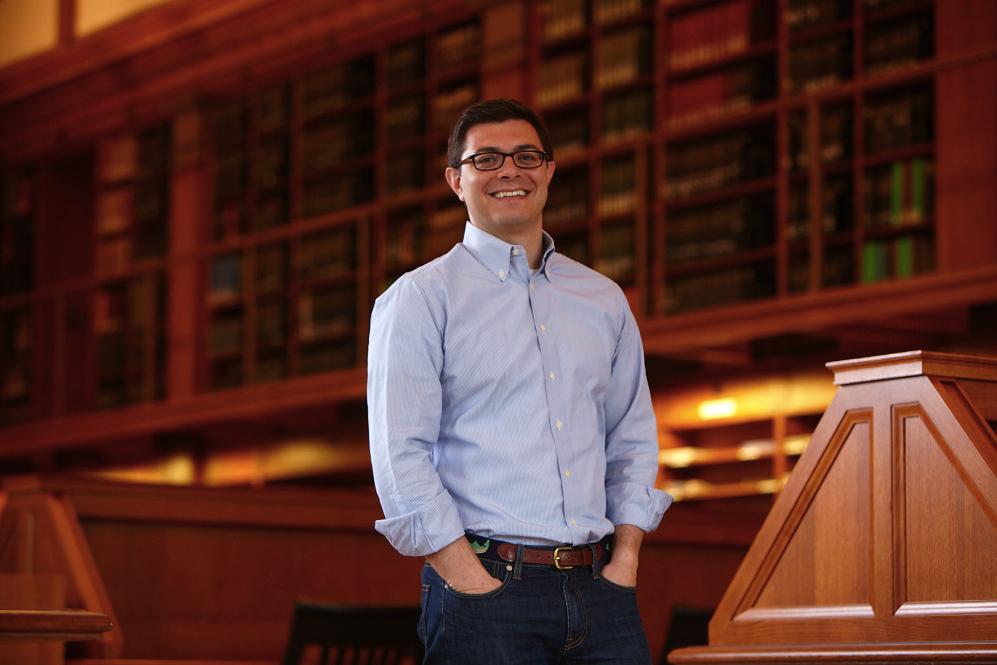
    Keval DesaiVenture capitalist Keval Desai, a product management director at Google turned VC, has a differentiated take on investing. His two theses are based around want versus need and real-time investing, the former being a focus on companies that help fulfill consumers’ desire, the latter being companies that solve problems for consumers in real time. (Suffice it to say that far from seeing a bubble, Desai is bullish on the consumer Internet. Among his investments is the luxury consignment site RealReal, which just raised a fresh $20 million.)

    We met at Rose’s Café in San Francisco on Friday to talk about it over eggs. Our conversation has been edited for length.

    You worked on Google’s video ads efforts and a TV initiative that was eventually folded into YouTube. Do you think the company is still interested in TV?

    I’d say yes. There are 5 billion homes in the world with a TV, compared with 2 billion with a PC and 1.3 billion with a smartphone, so if you want to reach a global audience, TV makes sense.

    Silicon Valley has tried to reinvent TV over the last 20 years and we’ve failed, for the most part. I think Larry [Page]’s takeaway is that [past efforts] were too slow. He has an obsession — rightly so, I think — with speed. If you make something superfast, you have more success. Google was the fastest search engine; Chrome is fastest browser. So I think Google does have an interest, but it probably wants to reinvent TV in a way that’s fast and open makes it easy to discover content quickly.

    How did your work at Google inform what interests you today as an investor?

    I think the web is becoming more like TV, a discovery-driven entertainment medium. If you think about it, over the first 20 years, the Internet was more about fulfilling basic needs; it was more like a utility. You got your modem and broadband and browser and then identity, via Facebook. Once those basic needs were satisfied, we began focusing on things we want but don’t need: YouTube, Pinterest, Airbnb. Do I need to watch videos online? No. Do I need to go on vacation? No. The need economy was winner-take-all; how many broadband and email and browser providers do you need? But how many places do you go see a movie, eat a nice meal, stay in a hotel, travel for vacation, buy shoes? The want economy is not winner-take-all and it’s 100 times bigger.

    What does that say about the valuations of Uber and Pinterest, big companies with growing numbers of competitors?

    Generally, I think people and markets are smart. These people who are paying “lofty” valuations are sophisticated investors who’ve been investing for decades in many cases.

    Also, the number of hours of the day that people have access to services is exponentially bigger than anything in the desktop era, so the mobile economy is huge. When Netscape and eBay and Amazon came out, it was very hard to reach $1 billion in revenue; now, there are 1.3 billion smartphone users in the world and Uber, which is in something like 50-plus cities, is probably already reaching half that addressable business. That translates into $2 per person per year. Then you put a 10x multiple on that? Sure. That’s not even a high multiple. Real time markets are changing everything.

    Because people can order things whenever and wherever.

    Think of the impact of that on service providers in our economy: Restaurants, taxi drivers, other businesses. Because end users can make decisions 24/7, every service now needs to be operating 24/7. I’m not an investor in HotelTonight, but I like them. They aren’t booking six months in advance. Instead, I show up to an airport and book a bed [at the last minute]. If I’m guaranteed a spot at a hotel that I like without paying an arm and a leg, I’m going to do it. It’s like [Google] AdWords. When I load a page, a relevant ad shows up. I think the whole world is moving in that direction.

    Service providers have always hoarded inventory because consumers couldn’t make decisions in real time and there wasn’t enough data about matching the right buyers with the right sellers in real time. Both of those issues are being fixed.

    Before we part, what’s one thing people might not know about you?

    I’m on eight boards, and six of them are led by women.

    Sign up for our morning missive, StrictlyVC, featuring all the venture-related news you need to start you day.

  • StrictlyVC: June 6, 2014

    Well, hello, Friday, we’d missed you.

    —–

    Top News in the A.M.

    Vodafone has reportedly revealed the existence of secret wires that allow government agencies to listen to all conversations on its networks.

    —–

    Louis Beryl’s Big Ambitions at Earnest

    Earnest is a startup that provides small loans to people based on their earning potential. But its marketing may be more savvy than earnest.

    For now, the company is selling itself as an alternative for people who have trouble nabbing an affordable loan. The big difference between Earnest and traditional lenders is that Earnest looks beyond credit history to where a person attended school, what she studied, and her current job and income. The proposition isn’t so unlike that of another venture-backed startup, Upstart, which also recently jumped into the small loans business, though Earnest asks applicants for much more information, including access to their checking, savings, investment, and retirement account balances. (Both companies employ language about giving “financially responsible” clients the rates they “deserve.”)

    It’s an intriguing proposition. It’s also mostly a teaser, unsurprisingly. Earnest says it can afford to charge lower interest rates than most because its technology has lowered its own costs. But the loans that Earnest offers customers — 5.5 percent interest on a one-year loan and 6.5 percent for a two-year loan of up to $20,000 – aren’t just hard to beat; they’re too low margin for Earnest to produce a meaningful return for the investors who’ve given the year-old company $15 million (money, by the way, that Earnest is partly using to extend to new customers). To learn more about what’s going on — and what’s next — I talked yesterday with Earnest founder Louis Beryl, a Princeton and HBS graduate who has worked on Wall Street and at Andreessen Horowitz. Our chat, edited for length, follows.

    You spent a year-and-a-half at Andreessen Horowitz before founding Earnest. What were you doing exactly, and how did it lead to this company?

    When I was coming out of [HBS], I was hired as an internal data scientist to look across [Andreessen Horowitz’s] portfolio at how we were making investments [such as] looking at how a team’s make-up changes as it grows. [Andreessen Horowitz] wants to help that great founder build a great company, and being able to anticipate in advance who [startups] need to bring on and in what capacity [is a big part of its value add].

    I also did more traditional VC stuff, including looking at financial technology companies. As it relates to Earnest, I started thinking: If you were going to build a financial services company from scratch, using data to understand people, how would you do that?

    Earnest says it can lend to someone at a very low rate because that person is so low risk. It doesn’t take origination fees, either. So are you counting on zero defaults, or are your products basically loss leaders, or both?

    We’re making loans to very credit worthy, very responsible [customers] so yes [to your question about defaults]. We also plan to expand with [clients] over time. If you’re someone who takes a $15,000 to $20,000 loan out of graduate school, we hope to provide other products for you as your situation changes. We’re laser focused on the products we’ve just launched, but we’re going to listen and if [our customers] want credit cards, we’ll move into that. If they want home or car or student loans or a deferral product because they have low cash flow today . . . we’ll move into that.

    Are you interested in the financial advisory business, as with a Wealthfront? You’re asking for an awful lot of financial information from your potential customers.

    We’re not interested in Wealthfront’s business, though we think we’d be complementary to them and maybe [attract] the same types of people.

    Hundreds of people come to our site and enter their information on a regular basis. You could choose not to give over much information, but a lender who doesn’t understand you well has to [charge you more interest]. We say that if you deserve better, we’ll price you at a lower rate than anything in the market.

    This is a low-margin business, that’s a fact. . . But we’re not here trying to make the highest margin on every client . . . We’re similar to Amazon in that we’re always thinking how we can deliver the lowest-cost product that delivers happiness to consumers every day. This is a very mission-driven organization. We believe we’re building the modern bank of the next generation.

    —–

    New Fundings

    Allocadia Software, a four-year-old, Vancouver-based company whose cloud software helps marketers plan, budget, and analyze the return on their marketing investment, has raised $7 million in Series A funding led by Altos Ventures and iNovia Capital. Other investors to participate in the round included Illuminate Ventures, earlier investor Beehive Holdings, and individual investors Don Mattrick and Norm Francis.

    Avantium, a 14-year-old, Amsterdam-based company that makes packaging materials from plant-based materials, has raised $50 million from a group of strategic investors including the London-based diversified holding company Swire Pacific, the Coca-Cola CompanyDanone, and an Austrian plastics manufacturer. Earlier shareholders, including Sofinnova PartnersCapricorn Venture PartnersING Corporate InvestmentsAescap VentureNavitas CapitalAster Capital and De Hoge Dennen Capital, also participated. The company has raised roughly $112 million to date, shows Crunchbase.

    DewMobile, a Beijing-based company that sells mobile-to-mobile communication applications that don’t require a Web connection, has raised $20 million in Series B funding, including from IDG CapitalNorthern Light Venture Capital, and Innovation Works. The company had previously raised at least $6 million, reports VentureWire.

    Fashionandyou, a five-year-old, Gurgaon, India-based shopping site for luxury brands and designer apparel, has raised an undisclosed amount of Series D funding led by the investment arm of VIPshop, the publicly traded, China-based discount retail specialist. Earlier investors Norwest Venture Partners and Intel Capital also participated, reports TechCircle.in. Fashionandyou is a subsidiary of the holding company Smile Group. The new round represents one of few examples of Chinese digital tech ventures investing in India, notes the report.

    Fixstream Network, a year-old, San Jose, Ca.-based data integration and analytics platform company, has raised $10 million in Series A funding led by Tech Mahindra, a Pune, India-based consulting firm focused on the communications industry.

    Flaregames, a three-year-old, Karlsruhe, Germany-based company that makes hardcore games that can by played over shorter periods of time on mobile devices, has raised $12.2 million in venture funding from earlier investors Accel Partners and T-Venture. The company has raised $22.7 million to date, shows Crunchbase.

    ImageBrief, a three-year-old, New York-based online marketplace that matches buyers of images with professional photographers, has raised $750,000 in funding from Great Oaks Venture Capital. The company, founded in Australia and moved to New York in 2013, has raised $3.2 million altogether.

    Infrascale, a two-year-old El Segundo, California-based company that makes cloud data protection software for high volume cloud storage, has raised $16.3 million in Series B funding led by new investor Carrick Capital Partners. The company has raised $25 million to date, shows Crunchbase.

    Montage Talent, a 6.5-year-old, Delafield, Wi-based video interviewing company, has raised $6 million in Series C funding led by Beringea, the private equity firm. Other participants included Montage’s earlier investors, including Baird CapitalCalumet Venture Fund, the State of Wisconsin Investment BoardFoley Ventures, and Gary Comer Inc The company has raised roughly $15 million altogether.

    Senseonics, an 18-year-old, Germantown, Md.-based company that’s developing a long-term implantable glucose-monitoring system made with tiny sensors, has raised $20 million from earlier investors Anthem Capital,Delphi VenturesGreenspring AssociatesHealthcare Ventures and New Enterprise Associates, along with unnamed strategic investors.

    TrialScope, a two-year-old, Lawrenceville, N.J.-based company that provides its customers with tools and systems to improve their clinical trial processes, has raised $10 million in funding led by Edison Ventures, with participation from Dublin Capital Partners and NewSpring Capital.

    Yieldbot, a four-year-old, New York-based company whose software helps online advertisers understand consumer intent (so they can match offers and ads at the moment, presumably, when customers are most open to them), has raised $18 million in Series B funding. SJF Ventures led the round. Earlier investors Common AngelsNew Atlantic Ventures and RRE Ventures also participated, along with City National Bank. The company has raised $28.4 million to date, shows Crunchbase.

    —–

    New Funds

    Flashpoint, a three-year-old, seed-stage, Atlanta-based venture outfit and accelerator affiliated with Georgia Tech, has raised its second $1 million fund, reports the Atlanta Business Chronicle. To date, Flashpoint has helped seed three dozen startups that have gone on to raise more than $65 million from VCs, including Google VenturesKleiner Perkins Caufield & Byers and Andreessen Horowitz. The new fund is expected to back up to 50 startups over the next two years; those companies will pass through Flashpoint’s four-to-six-week-long program, staged twice a year, and receive $20,000 each in exchange for (an unspecified amount of) equity.

    Venture Investment Associates, a venture fund of funds based in Peapack, N.J., is nearing a final close of $50 million on a second seed-stage fund, reports peHUB. The firm closed its debut fund with $25 million in 2012. It has backed the funds of True Ventures and Data Collective, among others.

    —–

    IPOs

    As its highly anticipated IPO gets underway today, Arista Networks and its cofounder, Andy Bechtolsheim, face an unprecedented lawsuit from the company’s other cofounder, David Cheriton. The case may have implications beyond damaging the cofounders’ 30-year-old business partnership, notes Forbes.

    —–

    Exits

    Alenty, a seven-year-old, Paris-based online platform that helps advertisers and agencies measure and optimize online branding marketing, has been acquired by the ad tech company AppNexus for an undisclosed amount. Alenty looks to have raised seed capital alone, raising roughly $570,000 in 2007, shows Crunchbase.

    Dragonplay, a three-year-old, Tel Aviv-based mobile social gaming startup, has been acquired by games company Bally Technologies for $100 million. Dragonplay looks to have raised just $14 million in Series A funding from Accel PartnersFounder Collective, and Entrée Capital.

    Droptalk, a year-old, Bay Area, stealth messaging startup founded by serial entrepreneurs, including Rakesh Mathur, has been acquired byDropbox for an undisclosed amount. Droptalk’s tools reportedly allow users to share links privately with friends via a Chrome extension. TechCrunch has the story here.

    Rivet & Sway, a three-year-old, Seattle-based online retailer of designer and prescription glasses, is shutting down, says the company in a postingto its site first flagged by VentureWire. The company had raised $2.4 million from Harrison MetalMousse Partners, and its earliest investor, Baseline Ventures.

    Shelby.tv, a three-year-old, New York-based company that created personalized video streams from sources like Vimeo and YouTube, is being shut down as its team heads to Samsungreports VentureBeat. The team tells the outlet that Shelby.tv will live on as a separate entity developing “new technology … as part of Samsung Electronics.” The company had raised $3.9 million in funding from a long list of investors, shows Crunchbase. Among them is Draper AssociatesAvalon VenturesBobby Yazdani and Allen Morgan.

    —–

    People

    The tech exec cover bands of Silicon Valley.

    WhatsApp cofounder Brian Acton on having his company acquired byFacebook for $19 billion: “More than anything you are somewhat numb and dumbstruck. There are a flotilla of lawyers around you, 96 hours of being in a conference room with lawyers non-stop. By the end of it, it’s just hazy. You are just numb and trying to grasp it all and I don’t think I really grasp it all just yet. It will hit me in stages. I’m looking forward to it, but also with some apprehension.”

    Venture capitalist Ben Horowitz talks with FastCompany about why bitcoin isn’t a “fake currency” or a fad. ”When you talk about fake money that you created out of the air, economists are like, ‘What the hell?’ But some of the commentary on it is crazy.” (Video.)

    Tragedy and secrets have begun to plague Tony Hsieh‘s $350 million Downtown Project in Las Vegas.

    Softbank’s billionaire president Masayoshi Son says robots should be tender and make people smile, so he’s putting one on sale in Japan in February. Meet Pepper, the emotional humanoid that will give you nightmares tonight.

    Get your checkbooks ready. Yesterday, investor Peter Thiel introduced the 2014 class of new Thiel Fellows. The complete list is here.

    —–

    Job Listings

    Earnest (see story above) is looking to hire someone in business development. The job is in San Francisco.

    —–

    Data

    Datafox takes a quick look at which investors are leading the pack when it comes to big data investments.

    —–

    Essential Reads

    Fab’s board has approved yet another new strategic plan for the e-commerce company that will include the purchase of a European furniture company.

    Pinterest is rolling out self-service ads.

    How China’s Xiaomi became the world’s fastest-growing smartphone maker.

    —–

    Detours

    Mo’ majors, mo’ money: Stanford introduces a joint electrical engineering MS/MBA degree program.

    Oh. No. Lifetime’s newest reality show will feature women birthing “alone” in the wild.

    Revealed: What goes on inside your dishwasher.

    —–

    Retail Therapy

    Your neighbors are going to love this home improvement.

    —–

    To sign up for StrictlyVC, click here. To advertise, click here.

  • Louis Beryl’s Big Ambitions at Earnest

    louisberyl_1342762481_41Earnest is a startup that provides small loans to people based on their earning potential. But its marketing may be more savvy than earnest.

    For now, the company is selling itself as an alternative for people who have trouble nabbing an affordable loan. The big difference between Earnest and traditional lenders is that Earnest looks beyond credit history to where a person attended school, what she studied, and her current job and income. The proposition isn’t so unlike that of another venture-backed startup, Upstart, which also recently jumped into the small loans business, though Earnest asks applicants for much more information, including access to their checking, savings, investment, and retirement account balances. (Both companies employ language about giving “financially responsible” clients the rates they “deserve.”)

    It’s an intriguing proposition. It’s also mostly a teaser, unsurprisingly. Earnest says it can afford to charge lower interest rates than most because its technology has lowered its own costs. But the loans that Earnest offers customers — 5.5 percent interest on a one-year loan and 6.5 percent for a two-year loan of up to $20,000 – aren’t just hard to beat; they’re too low margin for Earnest to produce a meaningful return for the investors who’ve given the year-old company $15 million (money, by the way, that Earnest is partly using to extend to new customers). To learn more about what’s going on — and what’s next — I talked yesterday with Earnest founder Louis Beryl, a Princeton and HBS graduate who has worked on Wall Street and at Andreessen Horowitz. Our chat, edited for length, follows.

    You spent a year-and-a-half at Andreessen Horowitz before founding Earnest. What were you doing exactly, and how did it lead to this company?

    When I was coming out of [HBS], I was hired as an internal data scientist to look across [Andreessen Horowitz’s] portfolio at how we were making investments [such as] looking at how a team’s make-up changes as it grows. [Andreessen Horowitz] wants to help that great founder build a great company, and being able to anticipate in advance who [startups] need to bring on and in what capacity [is a big part of its value add].

    I also did more traditional VC stuff, including looking at financial technology companies. As it relates to Earnest, I started thinking: If you were going to build a financial services company from scratch, using data to understand people, how would you do that?

    Earnest says it can lend to someone at a very low rate because that person is so low risk. It doesn’t take origination fees, either. So are you counting on zero defaults, or are your products basically loss leaders, or both?

    We’re making loans to very credit worthy, very responsible [customers] so yes [to your question about defaults]. We also plan to expand with [clients] over time. If you’re someone who takes a $15,000 to $20,000 loan out of graduate school, we hope to provide other products for you as your situation changes. We’re laser focused on the products we’ve just launched, but we’re going to listen and if [our customers] want credit cards, we’ll move into that. If they want home or car or student loans or a deferral product because they have low cash flow today . . . we’ll move into that.

    Are you interested in the financial advisory business, as with a Wealthfront? You’re asking for an awful lot of financial information from your potential customers.

    We’re not interested in Wealthfront’s business, though we think we’d be complementary to them and maybe [attract] the same types of people.

    Hundreds of people come to our site and enter their information on a regular basis. You could choose not to give over much information, but a lender who doesn’t understand you well has to [charge you more interest]. We say that if you deserve better, we’ll price you at a lower rate than anything in the market.

    This is a low-margin business, that’s a fact. . . But we’re not here trying to make the highest margin on every client . . . We’re similar to Amazon in that we’re always thinking how we can deliver the lowest-cost product that delivers happiness to consumers every day. This is a very mission-driven organization. We believe we’re building the modern bank of the next generation.

    Sign up for our morning missive, StrictlyVC, featuring all the venture-related news you need to start you day.

  • StrictlyVC: June 5, 2014

    Hi, everyone, and happy Thursday morning.

    StrictlyVC was on parenting duty yesterday (closed summer camp), but hopefully you’ll gain a useful insight or two from today’s rushed column!

    —–

    Top News in the A.M.

    Mobile and Sprint are reportedly zeroing in on a $32 billion merger.

    —–

    The Pain and Pleasure of Cloud-Based Subscription Billing

    Earlier this week, a group of CEOs, SVPs, technology strategists and the like gathered around a conference table in downtown San Francisco to discuss their companies’ respective experiences in switching to a subscription-based businesses. The move hasn’t always gone well with their customers or their sales staff, they openly admitted. But they argued that not only was the switch well worth it but that they increasingly had no choice. Below are some of their comments.

    Mark Field, the chief technology officer of the life sciences company LifeTech, acquired earlier this year by Thermo Fisher Scientific on some of the challenges his business has endured in switching from a licensed to a subscription model: “It’s not something that’s easy to change. And as we’ve been acquired, I’m hitting all those roadblocks again. . . Our go-to-market is completely different now, and on the sales side, this is disruptive, big time. If [salespeople] just sold software, it would a licensed sell, and they’d get their commission, make their number; now it’s a subscription. It’s a smaller amount over a long period of time. [The employee] may not even be around before we start to get the full value of that subscription. So we have to think about how do we commission them. . . It’s no longer a technology system issue; it is an organizational issue.”

    Field went on to add that while LifeTech may have lost 3 percent of its customers in switching to a subscription model, it has gained many more who couldn’t afford to license its technology but can afford to rent it. He also told those gathered that LifeTech has better insight into its customers than ever before. “It’s changing the way we do R&D, because we’re taking feedback from what we see customers do – which is very different from what they say what they do.”

    David Wadhwani, an SVP and general manager at Adobe, on initially enraging part of its customer base by switching business models in the spring of 2013, and getting through it: “Since we announced [our subscription model], our market cap has more than doubled. A lot of this has to do with lifetime value; you have to believe in the retention rates of what you get, you have to believe in the quality of the revenue stream.”

    It was important to bring Wall Street along, though, noted Wadhwani: “When we announced the transition, we pulled together between 100 and 150 analysts in New York and spent eight hours with them in what was maybe the most dense presentation we’ve ever put together. . . We needed Wall Street to understand a different model for valuing the company; otherwise, we would have been dealing with a significantly under-valued stock price in addition to having to deal with all that transition.”

    Venture capitalist Mike Volpi of Index Ventures also talked about Wall Street’s response to subscription-based businesses, noting that it’s been uneven to date: “Generally, I think Wall Street is . . .figuring out what metrics they should be looking for. Five or seven years ago, my guess is that Wall Street wouldn’t have understood this notion of a subscription at all and didn’t have the tools to measure what a good subscription business was versus a bad subscription business. Then they came to phase where any subscription business must be great, checkcheckcheck. Now we’re entering a time when investors are learning to discern between what’s good and not . . . Venture capitalists went through this three to four years ago . . . the broad investment community is coming to terms with it now.”

    Not last, Karen Devine, technology strategist at Intuit, talked at some length about Intuit’s process of switching over its business, suggesting that, like Adobe, the worst is now, hopefully, behind it.“Three years ago, we were pressured every quarter from sales to do an on-premise version of our software — [these were] million dollar deals. Fortunately, we had the fortitude to say no, because supporting each one is difficult with a cloud-based business. And [to show how much things have changed in the last year], we probably haven’t been asked about an on-site version in three or four quarters.”

    —–

    New Fundings

    Ambition, a 16-month-old, Chattanooga, Tn.-based company whose fantasy football-style app uses gamification to improve sales and productivity, has raised $2 million from SV AngelGoogle Ventures and others, reports Venture Capital Dispatch. The company was seeded with $600,000 from the Chattanooga venture incubator Lamp Post Group.

    Biotz Intelligent Technologies, a two-year-old, Kerala, India-based startup that has developed a 3D printer called the Makifyre, is close to closing a Series A round of funding, including from the Gurgaon-based private equity firm Ncubate, Biotz’s founder and CEO Paul Anand tells Techcircle.in. Biotz had previously raised $50,000 in seed funding from an unnamed investor.

    Buzzoola, a nearly three-year-old, Moscow-based native video advertising platform, has raised $2 million in seed funding from I2BF Global Ventures. The company had previously raised $1 million in funding from BKF Bank.

    Complexa, a six-year-old, Pittsburgh, Pa.-based, clinical-stage biopharmaceutical company focused on anti-inflammatory and fibrotic diseases, has raised $13 million in Series B financing led by JAFCO, with “significant” participation from earlier investors. The company has raised $18.4 million altogether, including from Pittsburgh Life Sciences Greenhouse and PLSG Accelerator Fund.

    Elasticsearch, a two-year-old, Los Altos-based company that has created popular open-source enterprise search tools, has raise $70 million in Series C funding led by New Enterprise Associates, which was joined by earlier investors Benchmark and Index Ventures. “We’ve been wooing them for over a year,” NEA partner Harry Weller tells Re/code. Elasticsearch, which also has an office in Amsterdam, has now raised $104 million altogether.

    Larky, two-year-old, Ann Arbor, Mi.-based online platform and app that helps consumers find discounted retail items online, has raised $1.76 million in seed funding led by North Coast Technology Investors. Also participating were the Michigan Angel Fund, the BlueWater Angels, and the Pure Michigan Venture Match and individual investors. Larky had previously raised $650,000 in a seed round last year.

    Lima, a 2.5-year-old, Newark, De.-based maker of a hardware adapter and a multi-platform app that enables users to access their entire digital library from all of their devices, has raised $2.5 million in Series A financing led by Partech Ventures. A Kickstarter campaign had previously garnered $1.2 million for the company.

    Night Zookeeper, a three-year-old, London-based maker of educational games for children, has raised roughly $600,000 in new funding, mostly from individual investors. Night Zookeeper, which allows users to design their own character and story lines, says it is used in more than 5,000 schools and that it’s being tested in Canada and Japan.

    PackLink, a 2.5-year-old, Madrid-based online comparison, booking and management service for consumer and business shipping needs, has raised $9 million in Series B funding led by Accel Partners, with participation from previous investor Active Venture Partners. The company has now raised roughly $11 million to date.

    RigUp, a months-old, Austin, Tx.-based software platform for oil rig logistics, has raised $3 million in seed funding led by Founders Fund. Other participants in the round included Great Oaks VCBoxGroup, and individual investors. The WSJ has more on the startup here.

    SAVO, a 15-year-old, Chicago Heights, Il.-based maker of collaborative sales and marketing software, has raised a $35 million round led by Goldman Sachs. Earlier investors Sterling Partners and SAP Ventures also participated. The company has raised $84 million to date.

    Siftit, a two-year-old, Atlanta-based mobile restaurant supply chain ordering platform, has raised $4 million in Series A funding led by the early-stage venture firm TechOperators. The company was founded by former executives of Radiant Systems, a restaurant retail technology company that was acquired by NCR for $1.4 billion in 2011

    Slainte Healthcare, an eight-year-old, Dublin, Ireland-based maker of revenue cycle management software for hospitals, has raised a “significant” investment from the AIB Start-up Accelerator Fund, managed by ACT Venture Capital.

    Spinal Kinetics, an 11-year-old, Sunnyvale, Ca.-based company that sells an implantable artificial disc to treat degenerative spinal disorders, has raised a $34 million round of funding from earlier investors Scale Venture PartnersLumira CapitalDe Novo VenturesSV Life Sciences and HLM Ventures.

    SpinGo, a two-year-old, Draper, Ut.-based event search engine that scours more than 1,000 media sites and mobile apps for local event content, has raised $2 million in Series A funding from numerous individual investors. The company has raised $6 million to date.

    Super Evil Megacorp, a two-year-old, San Antonio, Tx.-based stealthy gaming startup that’s building immersive games for tablets, has raised $11.6 million in new funding led by General Catalyst, with participation from Rain Ventures and earlier backers. The company had raised a $3.6 million seed funding in 2012 from Initial CapitalSignia Ventures,CrossCut Ventures and ZhenFund. The WSJ has the story here.

    Toutiao, a two-year-old, Beijing-based Chinese news reader app, has raised $100 million in Series C funding led by Sequoia Capital, with the Chinese microblogging company Sina Weibo and other investors participating. The deal values Toutiao at $500 million, according to Chinese media reports.

    Trevi Therapeutics, a three-year-old, Sandy Hook, Ct.-based company that develops drugs to treat uremic pruritus (chronic itching that occurs with advanced renal disease), has raised $25 million led by earlier investor TPG Biotech. The round brings the total capital raised by the company to at least $56 million, shows Crunchbase.

    Zapya, a Beijing-based network-free close-range file sharing app for mobile devices, has raised $20 million in Series B funding from IDG Ventures. The company’s earlier investors reportedly include Northern Light Venture Capital and Innovation Works.

    —–

    New Funds

    Shunwei Capital Partners, a three-year-old, Beijing-based venture capital firm focused on early to mid-stage start-ups in China’s Internet and technology industry, has raised $525 million for two new venture funds, according to China Money Network. The firm was created by Lei Jun, founder of Chinese smartphone maker Xiaomi, and Tuck Lye Koh, a Stanford grad and investor who’d worked previously at Deutsche Bank and Starr International. The firm’s first fund, says the report, was a $200-million-plus vehicle.

    —–

    IPOs

    The financial data company Markit and eight more companies set terms this week for initial public offerings, ushering in what will likely be a busy June in the IPO market. Renaissance Capital takes a look at what’s happening here.

    Vernon Davis, a tight end for the San Francisco 49ers, broke his silence yesterday over that Fantex IPO. Dealbook has the story here.

    —–

    Exits

    IQM2, a nine-year-old, Ronkonkoma, Ny.-based maker of public sector meeting software, has been acquired by Accela, a 15-year-old maker of software for civic engagement. IQM2 doesn’t appear to have raised institutional funding; Accela has meanwhile raised at least $50 million from investors over the years, including Bregal Sagemount.

    Namo Media, a year-old, San Francisco-based company that helps create mobile ads that sit “in-stream,” has been acquired by Twitter for undisclosed terms, Twitter announced in a blog post this morning. Techcrunch speculates that the move may signal that Twitter is looking to take its own ad network out to other sites. Namo Media had raised $1.9 million from a long line of investors, including Google VenturesAndreessen HorowitzBetaworksTrinity VenturesSusa Ventures, and numerous individuals, including Paul Buchheit.

    Pryte, a one-year-old Helsinki-based company that aims to help mobile phone users in underdeveloped parts of the world to use wireless Internet apps, is being acquired by Facebook for undisclosed financial terms. Pryte’s service hadn’t publicly launched yet. Reuters has more here.

    Serus, a 14-year-old, Sunnyvale, Ca.-based company whose software is designed to manage outsourced manufacturing operations, has been acquired by publicly traded E2open, which paid $18.5 million — roughly two-thirds of it in cash and the other third in stock. Another $7.5 million is available in earn-outs. According to Crunchbase, Serus had raised at least $13.8 million from investors, including OVP Venture PartnersDiamondhead Ventures, and Zap Ventures.

    —–

    People

    Here are the angel investors who are, on paper at least, “Uber rich.”

    Tony Bates has been named president of the pre-IPO wearable-camera maker GoPro, where he’ll report to the company’s founder and CEO, Nicholas Woodman. He was also given a board seat. Bates is a former EVP at Microsoft who was once considered a CEO candidate to replace Steve Ballmer. In March, soon after new Microsoft CEO Satya Nadella was installed, Bates left the company.

    Greylock Partners gets a glowing cover story in the new Newsweek, which, among many other things, talks with Evan Williams about Medium’s funding, led by Greylock. “Before deciding on his investors, [Williams] called around to other entrepreneurs to get reference checks on VCs. One call had particular impact. Williams spoke to Kevin Rose, a co-founder of Digg. Greylock had been one of its venture firms. Williams wanted to know one thing: How had David Sze—the partner who got Greylock in to the deal—treated the foundering CEO as his company was unraveling? That is, of course, when you see a VC’s real mettle—when he’s about to lose all his money. ‘The thing I heard, time after time, was David was always trying to do the right thing for the entrepreneur,’ says Williams. ‘People don’t universally say that about all investors.’”

    Some big-names in tech are backing a super PAC formed by Harvard professor Lawrence Lessig to reform the nation’s campaign finance laws. LinkedIn CEO Reid Hoffman has donated to the campaign, as have TED curator Chris Anderson, Union Square Ventures partners Brad Burnham and Fred Wilson, and — to the surprise of many — investor-entrepreneurPeter Thiel, a self-described libertarian. More here.

    Robert May has been promoted to COO of Industry Ventures, the San Francisco-based investment firm. May has been the firm’s chief financial and compliance officer since 2011. (He remains its chief compliance officer.) May has also been the COO and CFO of Founders Fund in the past.

    Abigail PosnerGoogle‘s head of strategic planning, on the general perception that people who wear Google Glass are, well, you-know-whats: “Over the course of human history, we’ve had to adapt to the negatives, fears and issues with any new tech,” says Posner. “These days, it happens quickly. It wasn’t too long ago, that people who walked around with their cell phones talking to themselves looked completely crazy. Now we all do it, and it’s a universally accepted behavior. People get used to everything.”

    Leena Rao, a longtime TechCrunch reporter, is joining Google Ventures as an operating partner, she announced in a post yesterday. More here.

    —–

    Job Listings

    Card.com, a two-year-old, L.A.-based company that offers prepaid debit cards as an alternative to traditional banking, is looking for a VP of business development. The company has raised $3 million from investors.

    Socialyzr, a nearly three-year-old, Dallas-based company focused on social media optimization, is looking for a VP of business development. The company has raised an undisclosed amount of seed funding.

    —–

    Happenings

    IBF’s Venture Capital Investing Conference is taking place in San Francisco next week. You can check out the agenda here. (StrictlyVC will be interviewing Jeff Clavier of SoftTech VC and Arvind Sodhani of Intel Capital on Wednesday.)

    —–

    Data

    Pitchbook takes a look at 2006 vintage U.S. VC funds to see which are performing the best, concluding that of the 42 funds that raised between $100 million and $250 million dollars, the top performers based on IRR are currently 5AM Ventures IIAzure Capital Partners IIPTV Sciences II, and Sterling Venture Partners II. The median IRR is 5.1 percent; the top-quartile IRR hurdle rate is 9.3 percent, says Pitchbook.

    —–

    Essential Reads

    Even credit card companies think plastic’s days are numbered.

    —–

    Detours

    The people who can’t not run.

    An S.O.S. in a Saks bag.

    Fifty-four old films that are not to be missed.

    —–

    Retail Therapy

    The Killerspin Throw II Robot, when you’re deadly serious about your tennis game.

  • The Pain and Pleasure of Cloud-Based Subscription Billing

    Blue_CloudsEarlier this week, a group of CEOs, SVPs, technology strategists and the like gathered around a conference table in downtown San Francisco to discuss their companies’ respective experiences in switching to a subscription-based businesses. The move hasn’t always gone well with their customers or their sales staff, they openly admitted. But they argued that not only was the switch well worth it but that they increasingly had no choice. Below are some of their comments.

    Mark Field, the chief technology officer of the life sciences company LifeTech, acquired earlier this year by Thermo Fisher Scientific on some of the challenges his business has endured in switching from a licensed to a subscription model: “It’s not something that’s easy to change. And as we’ve been acquired, I’m hitting all those roadblocks again. . . Our go-to-market is completely different now, and on the sales side, this is disruptive, big time. If [salespeople] just sold software, it would a licensed sell, and they’d get their commission, make their number; now it’s a subscription. It’s a smaller amount over a long period of time. [The employee] may not even be around before we start to get the full value of that subscription. So we have to think about how do we commission them. . . It’s no longer a technology system issue; it is an organizational issue.”

    Field went on to add that while LifeTech may have lost 3 percent of its customers in switching to a subscription model, it has gained many more who couldn’t afford to license its technology but can afford to rent it. He also told those gathered that LifeTech has better insight into its customers than ever before. “It’s changing the way we do R&D, because we’re taking feedback from what we see customers do – which is very different from what they say what they do.”

    David Wadhwani, an SVP and general manager at Adobe, on initially enraging part of its customer base by switching business models in the spring of 2013, and getting through it: “Since we announced [our subscription model], our market cap has more than doubled. A lot of this has to do with lifetime value; you have to believe in the retention rates of what you get, you have to believe in the quality of the revenue stream.”

    It was important to bring Wall Street along, though, noted Wadhwani: “When we announced the transition, we pulled together between 100 and 150 analysts in New York and spent eight hours with them in what was maybe the most dense presentation we’ve ever put together. But we gave them the kind of transparency that they’ve been asking for from our users, in terms of buying patterns, in terms of average selling price by segment, so they could do the math themselves to determine whether this was a good move for us [and] whether it was accretive. We needed Wall Street to understand a different model for valuing the company; otherwise, we would have been dealing with a significantly under-valued stock price in addition to having to deal with all that transition.”

    Venture capitalist Mike Volpi of Index Ventures also talked about Wall Street’s response to subscription-based businesses, noting that it’s been uneven to date: “Generally, I think Wall Street is . . .figuring out what metrics they should be looking for. Five or seven years ago, my guess is that Wall Street wouldn’t have understood this notion of a subscription at all and didn’t have the tools to measure what a good subscription business was versus a bad subscription business. Then they came to phase where any subscription business must be great, checkcheckcheck. Now we’re entering a time when investors are learning to discern between what’s good and not . . . Venture capitalists went through this three to four years ago . . . the broad investment community is coming to terms with it now.”

    Not last, Karen Devine, technology strategist at Intuit, spoke at some length about Intuit’s process of switching over its business, suggesting that, like Adobe, the worst is now, hopefully, behind it.“Three years ago, we were pressured every quarter from sales to do an on-premise version of our software — [these were] million dollar deals. Fortunately, we had the fortitude to say no, because supporting each one is difficult with a cloud-based business. And [to show how much things have changed in the last year], we probably haven’t been asked about an on-site version in three or four quarters.”

    Sign up for our morning missive, StrictlyVC, featuring all the venture-related news you need to start you day.

  • StrictlyVC: June 4, 2014

    Hi, everyone, good morning! Wishing those of you who observe it a happy Shavuot.

    Apologies, by the way, but we don’t have a column for you today. StrictlyVC had one too many meetings yesterday. Enjoy the intel below, though, and we’ll see you back here Thursday morning.

    —–

    Top News in the A.M.

    A 26-year-old woman was allegedly kidnapped by an Uber driver in L.A.and taken to a local motel, police said yesterday. She was released the next day.

    China has just blocked Google in advance of the 25th anniversary of the bloody Tiananmen Square crackdown in 1989.

    —–

    New Fundings

    Aryaka Networks, a 5.5-year-old, Milpitas, Ca.-based cloud-based wide-area-network optimization company, has raised $10 million in Series D funding from earlier investors, including InterWest PartnersMohr Davidow VenturesNexus Venture PartnersPresidio Ventures and Trinity Ventures. The company has raised roughly $73 million to date, shows Crunchbase.

    Booster Pack, a new, Singapore-based game company, has received $1.5 million in funding from Cyberworld StudiosAriel Star Group, and Kathrein Ventures. TechCrunch has more here.

    BrightFarms, a 3.5-year-old, New York-based company that designs, finances, builds and operates hydroponic greenhouse farms at, or near, supermarkets, has added $2.4 million to its Series B, bringing total funding for the round to $7.4 million. The new tranche was led by WP Global Partners. Others of its investors include NGEN PartnersEmil Capital Partners, and BrightFarms founder Ted Caplow. BrightFarms has now raised close to $20 million to date.

    Consumer Physics, a three-year-old, Tel Aviv-based startup whose pocket spectrometer for smart phones can determine the chemical makeup of food, including nutritional information, has raised more than $2 million in crowdfunding via its Kickstarter campaign, with 10 days still left to go. More than 10,000 backers have donated to the startup, which has also raised startup funding from Khosla Ventures and angel investors. TechCrunch has the story here.

    Dinner Lab, a 2.5-year-old, New Orleans-based membership supper club that pairs unknown chefs with private audiences, has raised $2.1 million in seed funding from John Elstrott, the chairman of Whole Foods, and a long list of angel investors. TechCrunch has the story here.

    Fresh Nation, a two-year-old, L.A.-based online market for farmers’ markets, has raised $1 million in seed funding from Lightspeed Venture Partners and Lerer Ventures.

    Gild, a 2.5-year-old, San Francisco-based company whose tech hiring software promises to make it easier to evaluate tech talent, has raised $13.5 million in Series B funding led by Menlo VenturesCorrelation Ventures , DFJ VentureGlobespan Capital PartnersSAP Venturesand private investors Steve Anderson of Baseline Ventures and Mark Kvamme of Drive Capital also participated in the round. The company has raised $25.9 million altogether, shows Crunchbase.

    Invaluable, a 25-year-old, Allstone, Ma.-based online marketplace for fine arts and antiques, has raised $33.75 million in Series D funding led Insight Venture Partners. Earlier investors also participated in the round, includingAscent Venture Partners and Commonwealth Capital Partners. The company has raised $48.6 million altogether, shows Crunchbase.

    KemPharm, an eight-year-old, North Liberty, Ia.-based biopharmaceutical company that makes drugs for pain, attention deficit hyperactivity disorder, and other central nervous system diseases, has struck a $60 million financing agreement with Deerfield Management Co. to advance a drug meant to combat opioid abuse. KemPharm is receiving $10 million through a secured senior convertible note and up to an additional $50 million through a secured senior term debt facility.

    Kobalt Music Group, a 13-year-old, New York-based music publisher and music services company to artists, writers and publishers has raised $140 million from investors, including Balderton Capital; Michael Dell’s private investment firm, MSD Capital; and other investors. TechCrunch has more on the giant round here.

    MediaMath, a 6.5-year-old, New York-based ad buying, data management, digital marketing platform, has raised $73.5 million in Series C funding led by Spring Lake Equity PartnersAkamai Technologiesand earlier investors Safeguard ScientificsCatalyst Investors, and Observatory Capital, also participated in the round. The company also increased its debt facility to $105 million. The company has now tapped $195 million altogether from investors, shows Crunchbase.

    Movius Interactive, a 15-year-old, Duluth, Ga.-based mobile software firm focused on converged communications like voicemail, video mail, visual voicemail, and unified messaging, has raised nearly $13 million, according to an SEC filing that was flagged by the Atlanta Business Chronicle. The round was led by PointGuard Ventures, a Bay Area firm that’s currently raising $50 million for its debut fund. The company has raised roughly $40 million altogether, shows Crunchbase, including from Kleiner Perkins Caufield & Byers and New Enterprise Associates.

    Nanotherapeutics, a 15-year-old, Alachua, Fl.-based integrated biopharmaceutical company with a focus on advanced development and manufacturing, has landed a $30 million loan facility from Hercules Technology Growth Capital.

    Nezasa, a two-year-old, Zurich­-based travel startup that invites users to book everything, from airfare to hotels to activities, in one place, has closed an $800,000 second round of funding from an unnamed family office, various business angels and existing investors.The has raised just more than $1.1 million to date.

    Octro, an eight-year-old, India-based company that which makes digital versions of popular local classics, such as the card game Indian Rummy, has raised $15 million in Series A funding from Sequoia Capital. TechCrunch has more here.

    Pathbrite, a two-year-old, San Francisco-based company whose software tools enable students to create Web-based portfolios, has raised $3.7 million in new funding led Cengage Learning, a Boston-based education content company. Other investors to participate in the round include ACT and Serious Change. The company has raised $11.7 million altogether.

    Profitero, a 4.5-year-old, Dublin, Ireland-based SaaS company that sells online insights and e-commerce intelligence to retailers and brands, has raised $8 million in funding from Polaris Partners. The company has raised roughly $9 million altogether.

    Revolution Foods, an eight-year-old, Oakland, Ca.-based company that makes healthier lunch meals for children, has raised $30 million from Steve Case’s Revolution Growth fund. The company says it serves more than 1 million meals a week across more than 1,000 schools in 26 cities in the U.S.; it also sells prepackaged meal kits through grocery stores. Dealbook has the story here. The funding brings the total capital raised by the company to roughly $60 million, according to Crunchbase data.

    SmartPay, a three-year-old, Southington, Ct.-based maker of pay-as-you-go worker’s compensation software for payroll and insurance companies, has raised $1.4 million, including follow-on investments from Connecticut Innovations and Tennant Capital Partners. Other investors in the round include Stonehenge Growth Capital and private investors. The company has raised $2.7 million altogether.

    Structured Polymers, a young, Austin, Tx.-based 3D printing company, has raised $1.2 million in seed funding in less than a week via MicroVentures, a crowdfunding platform. The company has reportedly developed a specialty polymer powder that can replicate a variety of parts including those used in the car, aviation and medical industries.

    SwipeClock, a 15-year-old, Salt Lake City-based provider of time, attendance and workforce management SaaS for small and mid-size businesses, has raised an undisclosed amount of funding from the middle-market private equity firm Moelis Capital Partners.

    Urban Remedy, a 6.6-year-old, San Rafael, Ca.-based company that makes freshly pressed juices, nutrition-based drinks, snacks and meals, has raised $5 million in Series A funding from micro-VC firm Venture51. (Interestingly, the round doesn’t appear to be syndicated). Urban Remedy had earlier raised $1 million in funding from the L.A.-based startup foundry Science Inc. The WSJ has its story here.

    Yext, an eight-year-old, New York-based company that helps businesses manage local listings and ad campaigns across the Web, has raised a $50 million in Series F financing led by Insight Venture Partners, with participation from MarkerInstitutional Venture Partners, and Sutter Hill VenturesAccording to Business Insider, the round gives Yext a $525 million post-money valuation, up from a $270 million valuation in 2012.

    —–

    New Funds

    IDG Capital Partners, the early-stage, China-focused venture capital firm, is looking to raise up to $550 million, according to media reports. The outfit is backed by International Data GroupAccel Partners and, more newly, Breyer Capital. The 21-year-old firm has backed hundreds of startups, including Baidu, Tencent, and Xiaomi.

    Saudi Arabia’s government and one of the country’s biggest banks plan to start a venture capital fund with as much as $270 million to invest in new advanced materials, sustainable energy, and information, communication and other technology companies. Riyad Capital, the investment banking arm of Riyad Bank, will manage the fund, while Saudi Technology Development and Investment Co., a subsidiary of the Public Investment Fund, will provide seed capital, according to Adel Al Ateeq, head of asset management at Riyad Capital. Al Ateeq tells Bloomberg News that “We’re going to invest in international companies that are relevant to Saudi . . .None of our competitors are looking into venture capital. It’s an ignored sector.”

    True Ventures, the early-stage venture firm with offices in San Francisco and Palo Alto, has officially closed its fourth fund with $290 million in commitments. Firm cofounder Phil Black tells Venture Capital Dispatchthat the firm set out to raise $225 million but went larger to accommodate LP interest. Its third fund closed with $205 million in 2011.

    —–

    IPOs

    CareDx, a 16-year-old, Brisbane, Ca.-based company whose molecular test is used to monitor heart transplant recipients for acute cellular rejection, has filed to go public. The company’s test, AlloMap, is already being sold in Europe. Kleiner Perkins Caufield & Byers is its biggest shareholder; according to the company’s prospectus, it owns 17 percent. Other major shareholders include TPG Capital, which owns 16.5 percent; Sprout Capital, which owns 11.1 percent; Intel Capital, which owns 10.2 percent; Burrill & Company, which owns 9.4 percent; DAG Ventures, which owns 7.3 percent; and Integral Capital Partners, which owns 5.6 percent.

    —–

    Exits

    InstaEDU, a 2.5-year-old, San Francisco-based on-demand tutoring marketplace, has been acquired by Chegg, the now publicly traded textbook rental company, for $30 million in cash. InstaEDU had raised $5.1 million, including from Battery Ventures and The Social+Capital Partnership, along with many individual investors.

    Gazzang, a four-year-old, Austin, Tx.-based software company that helps enterprises ensure their data security, has been acquired by Cloudera, the still-private enterprise software company. Terms of the acquisition aren’t being disclosed, though GigaOm has much more on the deal here. According to Crunchbase, Gazzang had raised $9.6 million from investors, including Austin Ventures.

    Labrys Biologics, a two-year-old, San Mateo, Ca.-based developer of a chronic and episodic migraine treatment, is being acquired by the publicly traded drug maker Teva Pharmaceutical Industries in a deal worth up to $825 million. The Journal has more here. Labrys had raise at least $45 million from investors, including InterWest PartnersCanaan PartnersSofinnova Ventures, and venBio.

    Simplikate, a 12-year-old, Miami company that provides a mobile commerce platform and applications for malls, airports and luxury real estate, has been acquired by Austin-based Phunware, a five-year-old startup. Terms of the deal weren’t disclosed.

    —-

    People

    Google cofounder Sergey Brin is $91 million richer today than yesterday.

    In a new digital series, Airbnb CEO Brian Chesky tells interviewer Katie Couric that he “never liked the term disruptor because it suggests for us to win hotels have to lose.” (StrictlyVC thinks there must be a memo going around. At a roundtable discussion in downtown San Francisco yesterday, Zuora CEO Tien Tzuo — who is convincing more companies all the time to switch to a subscription model — also noted that Zuora isn’t “disruptive” but a company that’s instead “reinventing” how other enterprises do business.)

    Business Insider takes a look at the fabulous life Of Dr. Dre, “hip-hop’s richest man.”

    It’s been a brutal couple of months for “the cloud” — so brutal that Byron Deeter, a partner at Bessemer Venture Partners, tells the WSJ: “We are calling bottom . . . There is no question cloud is the future of software. It is just a short-term valuation question, and the public markets are trying to find fair value.”

    Foundation Capital, the venture capital firm, has two new entrepreneurs-in-residence: Srinivas Mantripragada and Geoffrey Wong. Mantripragada was most recently the VP of technology at the network identity company Infoblox. Woo was most recently a product manager for Groupon’s MerchantOS group and before that, CEO and co-founder of Glassmap, a company that Groupon acquired in January 2013

    Josh Green of Mohr Davidow Ventures talks about lean startups — and lean venture outfits — with the San Jose Business Journal. “I think that the whole notion of ‘capital lite’ is temporal. We will return to more capital-intensive focuses for new ventures, if not next year then in a few years. With that will come a whole different role for capital to play. That’s the biggest issue I think I see in the entire community.”

    SV Life Sciences, a life sciences venture capital firm with offices in Boston, San Francisco, and London, has appointed three new venture partners —Dan BurgessEd Mascioli and Michael Mendelsohn — as new venture partners. All three will join the firm’s biotechnology investment team.

    —–

    Job Listings

    Morgan Stanley Alternative Investment Partners is looking for either a senior associate or VP to join its fund of funds investment team in London. The team co-invests in direct deals and acquires secondary limited partner interests in funds across asset classes, from venture capital to leveraged buyouts and special situations.

    —–

    Essential Reads

    Shares of Salesforce have recently lost 20 percent in value, and analysts say there are unusual ways in which such a drop might expose vulnerabilities at Salesforce and directly affect its business performance.

    Before it launches self-driving cars, Google might want to sort out its autonomous aircraft, says the Seattle Times, which reports that a giant solar-powered balloon of Google’s crashed into some power lines in the city of Yakima, Wa., last week, leading to an outage for nearby homes.

    Healthkit already exists, and it doesn’t belong to Apple.

    As if Google Glass didn’t have enough problems: A developer has come up with a way to cut off the Wi-Fi connection of nearby Google Glass wearers.

    —–

    Detours

    Sallie Krawcheck has opened an index fund focused on women.

    Hyundai has dethroned Honda as the greenest automaker in the U.S., says a new report.

    The story of the Gumball 3000, the world’s most lavish car rally.

    —–

    Retail Therapy

    The “incredibly useful,” “exhaustively researched,” “can’t go wrong”Father’s Day gift guide. (Yes, it features axes, jump ropes and grills. But also much more!)

    If you have one of those wonderful dads who thinks of himself as the MacGyver type, here’s another option he might enjoy. If he’s closer to James Bond, try this.

    —–

    To sign up for StrictlyVC, click here. To advertise, click here.

StrictlyVC on Twitter