
• StrictlyVC: May 16, 2014

    Happy Friday, everyone, hope you have a terrific weekend!

    —–

    Top News in the A.M.

    Despite all the hand-wringing statements about net neutrality, tech actually had a pretty good day in D.C. yesterday, argues Re/code.

    —–

    VC Josh Felser: Small Steps Can Have An Impact

    This week, a new study found that tropical cyclones worldwide are moving out of the tropics and more toward populations of people, especially in the Northern Hemisphere. It’s the kind of news about which we should be more aware, and concerned. But in the land of social media, it commanded about as much attention as a new software update from Blackberry — which is to say it went largely unnoticed.

    Josh Felser isn’t okay with that. Which explains why the successful entrepreneur turned venture capitalist is trying to change the conversation through #climate, a new nonprofit that has enticed a small but growing number of people to download its app.

    Here’s how the process works, loosely: The months-old organization researches and produces information on hundreds of climate-oriented nonprofits. It then produces shareable “actions” based on users’ interests. If I were predominately focused on the Amazon rainforest, for example, I might be pointed to the Rainforest Trust organization, along with a tweetable link about saving the cotton-top tamarin. My Facebook friends or Twitter followers could then click on that link to learn more about why these small primates are endangered and, hopefully, donate to Rainforest Trust.

    It’s a tall order, of course — getting people to use the app, as well as ensuring the prompts are so compelling that social media users, despite their short attention spans, take the time to click on them.

    Felser argues that he had to start somewhere. “You can’t look at this as a viral media app,” he told me during a chat last week. “Getting people to focus or take action on a negative [like global warming] is hard. But we know that in the last three weeks, we’ve driven 35,000 unique visitors to various nonprofits’ sites. That’s hard to do and I feel really good about it.” (Asked if his team can track how many donations have resulted from those visits, he says the technology exists, but that getting nonprofits to change their code is “a bit of a challenge.”)

    So far, certain sports and entertainment figures have had the most impact on social media, including the band Gun N’ Roses, which has been asking fans to help save the Amazon, and the NBA, which has been promoting green initiatives and sustainability.

    Felser would like to see many more of his colleagues in tech take an interest, though. Tweets of congratulation on his efforts have been nice, he suggests, but as far as he’s concerned, the Silicon Valley startup community needs to get more visibly involved in amplifying the work of climate organizations.

    “We’ve created climate change and we have to fix it or it will destroy us,” says Felser, alluding to drought in the Middle East and Africa and rising sea levels that are putting people at risk in coastal regions like eastern India and and the Mekong Delta in Vietnam. “It makes poverty worse, it makes malaria worse, it makes everything worse.”

    Felser says not everyone has to get behind climate change, though he thinks they should. Eventually, his organization will broaden its mandate to include many other causes.

    Either way, he persuasively argues that the tech industry is missing an easy opportunity to be helpful. “I’m not sure that people in tech understand the impact they can have, with their knowledge, expertise, and reach. All are underutilized resources. They’re so passionate about entrepreneurship and tech that many forget the substantial impact they could have on the world if only they’d apply [themselves] to a cause.”

    dropcam_300x250_learn

    New Fundings

    Compare Metrics, a 1.5-year-old, Austin, Tx.-based analytics software company that aims to help retailers boost shopper engagement, has raised $3.8 million in funding led by earlier investor Austin Ventures. Other participants in the round included Capital FactoryJulie Allegro of Allegro Venture Partners, Bob Greene of Contour Ventures, Mike Maples of Floodgate, and Brett Hurt of Hurt Family Investments. The company has raised $8 million to date.

    Giphy, a year-old, New York-based search engine for GIFs, has raised $2.4 million in Series A funding led by Betaworks, with participation from Lerer VenturesRRE Ventures, and CAA Ventures. Giphy, which was launched by Betaworks last year, raised $1 million from the company at the outset; it plans to top off its new round with another $100,000 via Alphaworks, a new crowdfunding platform that was also created at Betaworks.

    Inspire Medical Systems, a seven-year-old, Maple Grove, Mn.-based company behind an implantable stimulation device that treats sleep apnea, has raised $40 million in Series E funding led by OrbiMed. Other new investors in the round include the Johnson & Johnson Development Corporation and Aperture Venture Partners. Earlier investors Kleiner Perkins Caufield & ByersUS Venture PartnersSynergy Life Science PartnersMedtronicGDN Holdings and TGap Ventures also participated in the funding.

    Innometrics, a four-year-old, Stockholm, Sweden-based company that makes cloud-based marketing and sales software, has raised $5 million in Series A funding led by SEB Venture Capital. Earlier investor Fortunator Invest, a Stockholm-based investment firm that focuses on e-commerce opportunities, also participated, along with unnamed angel investors.

    Keystone Heart, a 10-year-old, Caesarea, Israel-based medical device company focused on protecting the brain from emboli during heart surgery, has raised $14 million in Series B funding led by OrbiMed.

    MediaV, a 4.5-year-old, Shanghai-based Chinese developer of online marketing analytics and tracking technologies, has become a subsidiary of the Chinese Internet giant Qihoo 360 Technology Co. According to reports, Qihoo bought a majority stake in the company for more than $100 million. The WSJ has more on what the move means here.

    Odoo, a nine-year-old, Belgium-based open-source software company with enterprise resource planning features and more (the company used to be named OpenERP), has raised $10 million in new funding. Investors in the round include the French venture firms XAnge and Soffinova Partners, and the Beligum firm SRIW Belgium.

    OpenGov, a two-year-old, Mountain View, Ca.-based company that helps cities and other local governments move their financial data into the cloud, has raised $15 million in Series B funding led by Andreessen Horowitz, with participation from earlier investors Thrive Capital andFormation 8. According to Crunchbase, OpenGov has raised about $22 million to date.

    Pinterest, the 5.5-year-old, San Francisco-based scrapbooking website, has raised $200 million in new funding led by SV Angel (TechCrunch is reporting). Other previous investors to participate in the round included Bessemer Venture PartnersFidelityAndreessen Horowitz and Valiant Capital Partners. As notes the WSJ, Pinterest’s valuation has risen 32 percent since seven months ago, when the company raised $225 million at a valuation of $3.8 billion. The unprofitable company has raised a total of $764 million in funding to date.

    Posiq, a four-year-old, San Jose, Ca.-based company that develops restaurant customer-relationship management software, has raised $3.2 million in Series A funding from Thayer VenturesSVG Partners and angel investors.

    Sinch, a new, Stockholm-based communications platform that enables mobile developers to add voice and messaging to their apps, has raised $12 million from Rebtel, “Sweden’s smaller answer to Skype,” says TechCrunch. The company — which was, in fact, spun out of Rebtel — also counts Index Ventures and Balderton Capital as backers.

    Soldsie, a two-year-old, San Francisco-based social commerce platform, has raised $4 million in Series A funding led by First Round Capital, with participation from SoftTechVCLerer VenturesCorrelation Ventures,Great Oaks Venturese.Ventures500 Startups, and angel investors. The company has raised $5.6 million altogether.

    Sorbent Therapeutics, a nine-year-old, Sunnyvale, Ca.-based biopharmaceutical company developing therapies for cardiovascular and renal diseases, has raised a $6.5 million tranche in a $15 million Series D financing. Existing investors CMEA CapitalARCH Venture Partners,Sofinnova VenturesAgeChem and Novartis Venture Funds participated in the round, which has brought the company’s current funding to at least $90 million, shows Crunchbase.

    StepOne, a three-year-old, Austin, Tx.-based company whose self-service system lets consumers solve their tech problems online, has raised $4 million in Series A funding co-led by earlier investor LiveOak Venture Partners and new investor Silverton Partners. Last summer, StepOne raised an undisclosed amount of seed funding from LiveOak.

    Terra Motors, a four-year-old, Tokyo, Japan-based electric vehicle maker, has raised $10 million Fenox Venture Capital and the Japanese venture capital Mizuho Capital Co. led the round. Other investors included Shinsei BankSMBC Venture Capital Co., and Aizawa Securities Co., all of which are based in Tokyo.

    Uber Technologies, the five-year-old, San Francisco-based logistics company, is in talks to raise new financing in a round that may value it at more than $10 billion, according to Bloomberg sources. The valuation would be nearly triple the valuation Uber commanded a year ago when it raised $258 million.

    Urban Engines, a two-year-old, Los Altos, Ca.-based company that uses spatial analytics and behavioral economics to alleviate urban congestion and shorten commutes, has raised an undisclosed amount of funding from Google VenturesEric SchmidtRam ShriramA16Z and SV AngelTechCrunch has more here.

    —–

    New Funds

    Expansive Ventures, a new venture capital firm, is looking to raise roughly $100 million, reports the WSJ. Its founders are Adeo Ressi, head of the entrepreneur-training program Founder Institute, and Jon Soberg, a former managing director of Blumberg Capital. The pair plan to invest up to $2 million in early-stage startups that they source through the roughly 3,000 entrepreneurs who are affiliated with Founder Institute. The idea: that these entrepreneurs who live around the world can help Expansive discover startup gems, particularly in foreign markets.

    Resolute Ventures, the three-year-old venture firm of former Polaris Partners investor Mike Hirshland, is in the market for its second fund, according to an SEC filing first spied by Fortune. The firm, which makes seed investments, is targeting $40 million. Hirshland, who is Resolute’s sole GP, targeted $25 million for its first fund. He has since brought aboard serial entrepreneur Matt Meeker as a venture partner and earlier this year had advertised a search for a principal. (If Resolute has hired one, it hasn’t listed that person at its site yet.)

    —–

    IPOs

    Those watching the debut of Zendesk on the NYSE yesterday were undoubtedly feeling relieved last night. Shares of the 6.5-year-old, San Francisco-based on-demand customer service platform provider finished up at $13.45 from their offering price of $9. The IPO raised just under $100 million for Zendesk, about $50 million less than the company originally planned to raise.

    —–

    People

    Everyone has to find their investing sweet spot, and Aneel Bhusri‘s is not consumer Internet, he said in an interview earlier this week at the NVCA conference in San Francisco. Bhusri said he came to this conclusion the hard way, during his first year as an investor at Greylock Partners in 1999. For example, he talked of backing an e-commerce site focused on cameras, saying, “I invested $25 million, Amazon waged a price war and we were out of business in 12 months.” A second investment in an online portal quickly also became “good-bye $15 million,” he added, noting that he might have lost $70 million before famously finding his groove in enterprise investing.

    Venture capitalist Ken Lerer and his cofounder in Huffington PostArianna Huffington, have reportedly settled a three-year-old lawsuit over the site, which remains one of the one of the most heavily visited online destinations in the country. Filed by Democratic consultants Peter Daou and James Boyce, the suit alleged that the men helped shape Huffington Post, which sold to AOL in 2011 for $315 million, and that they were denied proceeds from the sale as well as recognition for their contributions. As Forbes notes, Lerer and Huffington have always insisted the claims were meritless, but a judge ruled in February that that the case could proceed to trial. Interestingly, Daou and Boyce published joint statements yesterday afternoon, praising Huffington for making Huffington Post “a far greater success than anyone could have imagined. Neither mentioned Lerer.

    Cnet cofounder and beleaguered tech personality Halsey Minor is back with a new bitcoin-related company, though “there are also some oddities about the company that might give customers pause,” reports Bloomberg BusinessWeek. Minor told the outlet that he only recently emerged from “six years of depression . . . It’s hard to describe to someone who has not been through what I went through, but my only goal was to get through this part of my life alive.”

    Venrock, the 45-year-old technology and health care investor — with offices in Cambridge, Ma.; Palo Alto, Ca.; and New York City — has added two new investment professionals to its Palo Alto office: Camille Samuels and Doug Dooley. Samuels, previous a managing director at Versant Ventures, is a partner and will focus on biotech and consumer health investing. Dooley, whose title isn’t clear, has a long history of working at infrastructure technology companies, including Cisco, Intel, Neoteris, NetScreen, and RingCube. Venrock filed paperwork in March to raise $200 million for its newest fund, Venrock Healthcare Partners II.

    Google Glass’s lead electrical engineer Adrian Wong has defected to Oculus VR. Techcrunch has more here. Meanwhile, the company has also reportedly brought aboard a seasoned marketing pro, Ivy Ross, to lead the division. (The moves aren’t related, says a source. Wong was simply presented with a great offer from Oculus.)

    A Bay Area real estate developer has filed a lawsuit accusing Facebook CEO Mark Zuckerberg of breach of contract in a case that dates back to Zuckerberg’s decision to acquire several properties that surround his own Palo Alto home. Zuckerberg made the move after discovering that developer Mircea Voskerician planned to build a mansion on a lot behind Zuckerberg’s home. In exchange for Voskerician’s cooperation, Zuckerberg told him he’d provide introductions to potential clients who might want to buy homes from him, says the developer, who alleges in his complaint that Zuckerberg hasn’t upheld his end of the bargain. The San Jose Mercury News has the story here.

    —–

    Job Listings

    Adidas Group, the sporting goods giant, is looking for a manager to join its M&A and corporate venture group. The job is near Nürnberg, Germany.

    —–

    Essential Reads

    To protest against the FCC’s new rules relating to Internet traffic, various companies and organizations have added code to their websites that kicks in whenever there’s a visit from someone who works at the FCC. While everyone else is enjoying these websites at ordinary broadband speeds, this code ensures that FCC staffers view them at dial-up speeds reminiscent of the 1990s.

    —–

    Detours

    Why salaries shouldn’t be secret.

    The most expensive city in America to hire a babysitter.

    What do animals see in the mirror?

    —–

    Retail Therapy

    Beer lollipops.

    Quickboats.

    St. Tropez is coming to San Francisco, apparently. (We wish.)

    —–

    To sign up for StrictlyVC, click here. To advertise, click here.

  • VC Josh Felser: Small Steps are Better Than None

    bio-joshfelser (1)This week, a new study found that tropical cyclones worldwide are moving out of the tropics and more toward populations of people, especially in the Northern Hemisphere. It’s the kind of news about which we should be more aware, and concerned. But in the land of social media, it commanded about as much attention as a new software update from Blackberry — which is to say it went largely unnoticed.

    Josh Felser isn’t okay with that. Which explains why the successful entrepreneur turned venture capitalist is trying to change the conversation through #climate, a new nonprofit that has enticed a small but growing number of people to download its app.

    Here’s how the process works, loosely: The months-old organization researches and produces information on hundreds of climate-oriented nonprofits. It then produces shareable “actions” based on users’ interests. If I were predominately focused on the Amazon rainforest, for example, I might be pointed to the Rainforest Trust organization, along with a tweetable link about saving the cotton-top tamarin. My Facebook friends or Twitter followers could then click on that link to learn more about why these small primates are endangered and, hopefully, donate to Rainforest Trust.

    It’s a tall order, of course — getting people to use the app, as well as ensuring the prompts are so compelling that social media users, despite their short attention spans, take the time to click on them.

    Felser argues that he had to start somewhere. “You can’t look at this as a viral media app,” he told me during a chat last week. “Getting people to focus or take action on a negative [like global warming] is hard. But we know that in the last three weeks, we’ve driven 35,000 unique visitors to various nonprofits’ sites. That’s hard to do and I feel really good about it.” (Asked if his team can track how many donations have resulted from those visits, he says the technology exists, but that getting nonprofits to change their code is “a bit of a challenge.”)

    So far, certain sports and entertainment figures have had the most impact on social media, including the band Guns N’ Roses, which has been asking fans to help save the Amazon, and the NBA, which has been promoting green initiatives and sustainability.

    Felser would like to see many more of his colleagues in tech take an interest, though. Tweets of congratulation on his efforts have been nice, he suggests, but as far as he’s concerned, the Silicon Valley startup community needs to get more visibly involved in amplifying the work of climate organizations.

    “We’ve created climate change and we have to fix it or it will destroy us,” says Felser, alluding to drought in the Middle East and Africa and rising sea levels that are putting people at risk in coastal regions like eastern India and and the Mekong Delta in Vietnam. “It makes poverty worse, it makes malaria worse, it makes everything worse.”

    Felser says not everyone has to get behind climate change, though he thinks they should. Eventually, his organization will broaden its mandate to include many other causes.

    Either way, he persuasively argues that the tech industry is missing an easy opportunity to be helpful. “I’m not sure that people in tech understand the impact they can have, with their knowledge, expertise, and reach. All are underutilized resources. They’re so passionate about entrepreneurship and tech that many forget the substantial impact they could have on the world if only they’d apply [themselves] to a cause.”

    Sign up for our morning missive, StrictlyVC, featuring all the venture-related news you need to start you day.


  • StrictlyVC: May 15, 2014

    Happy Thursday morning, everyone! One more day to go (not that StrictlyVC spends all week counting down the days until Friday; that would be ridiculous).

    —–

    Top News in the A.M.

    Today, the FCC will vote on the future of the Internet. Here’s everything you need to know.

    —–

    Nirav Tolia Charged with Felony Hit-and-Run Involving Executive Recruiter

    In late October, Nirav Tolia seemed to be on top of the world. The CEO of Nextdoor, a four-year-old, San Francisco-based social network for neighbors, had just raised $60 million in a financing led by Kleiner Perkins Caufield & Byers and Tiger Global Management – a round that brought the company’s funding to roughly $100 million.

    “We didn’t go out looking for money,” Tolia told Dealbook at the time. “To some extent the guys who were interested wouldn’t take no for an answer.”

    Yet a misstep two months earlier now threatens to cast a shadow over Tolia and the company. Specifically, Tolia is facing criminal charges over accusations that he caused a collision on Highway 101 in San Mateo County, south of San Francisco, on August 4th of last year. Self-employed executive recruiter, Patrice Motley, says it was then that, through aggressive maneuvering, Tolia caused her black Honda to spin across two lanes of traffic before hitting a concrete median and coming to rest in the fast lane of oncoming traffic.

    Motley has since hired Brent, Fiol & Nolan, a San Francisco personal injury law firm, and filed a civil suit against Tolia. Her complaint alleges that she suffered neck and back injuries, fracture of bones in her left hand, and post-traumatic stress disorder, all of which have rendered her incapable of accomplishing routine tasks necessary for independent living and seriously impacted her ability to earn a living.

    San Mateo County District Attorney Steve Wagstaffe is also now pursuing a felony hit-and-run charge against Tolia for leaving the scene of the crash.

    In an email to StrictlyVC yesterday, Tolia said, “I just learned about these allegations and will cooperate fully with authorities. This is a personal matter that happened last August and is not related to Nextdoor.”

    Meanwhile, I spoke yesterday afternoon with Joseph Brent, Motley’s attorney, about Motley’s version of events. He said Tolia, driving behind another car that was driving at a comparatively slower speed, veered into Motley in the adjacent lane in an attempt to get in front of the slower car. Motley “honked at him but he apparently didn’t hear [the honking] and didn’t realize he was [about to crash into Motley] until his wife informed him that he was about to hit a car. But it was too late and Patrice lost control of her car.”

    Tolia then “fled the scene,” said Brent. “If it weren’t for concerned citizens who watched what happened, and took down his license number, no one would have known who caused the car accident.”

    He added that Motley was “was left in harm’s way in the fast lane with cars rushing toward her at a high rate of speed. She was terrified.”

    Asked why Motley is filing a civil suit against Tolia now, roughly nine months after the accident, Brent said that “some of it has to do with confidential settlement communications with Mr. Tolia” and declined to comment further. Asked why San Mateo’s District Attorney is just now filing charges, he said, “I have no idea why the [D.A.] chose to file today, but I know why we filed today. The time was now. There was no reason to delay.”

    Because Motley’s background is likely to come under public scrutiny, I asked Brent whether she’s been involved in a lawsuit before. He said doesn’t know, but he quickly painted a picture of a model citizen who has an undergraduate and master’s degree from Michigan State, has worked as an adjunct professor at both UC Berkeley’s extension program and at SF State, is “very active in her community,” and was even “a candy striper.”

    In a police report filed by CHP investigators in the accident’s immediate aftermath, Tolia — who was cited for “making an unsafe lane change” — said he saw only part of what had happened. He told investigators that he saw Motley’s car spin out in front of him but he didn’t see it hit the median. According to that police report, Tolia “added that he did not call law enforcement because he was certain that someone had called. He also stated that he was in ‘shock’ and did not know what to do.’”

    As longtime Silicon Valley watchers will know, this isn’t the first lawsuit to involve Tolia. Earlier in his career, he was caught lying on his resume and forced to resign from Shopping.com, a bubble-era company that went public and was later acquired by eBay. Early employees of the company, which was originally called Epinions, had sued Tolia and Shopping.com backers Benchmark Capital and August Capital, alleging they’d conspired to deprive them of tens of millions of dollars in the sale. EBay later settledthe suit, and Benchmark, which has remained an ardent supporter of Tolia over the years, brought Tolia aboard an as an entrepreneur-in-residence.

    Indeed, Benchmark was among a long line of top firms to pile into Nextdoor’s first big institutional round, an $18.6 million funding closed in July 2012.

    Tolia is to appear May 29 in San Mateo County Superior Court in the criminal matter.

    dropcam_300x250_learn

    New Fundings

    Chartbeat, a four-year-old, New York-based company that helps Web publishers monitor viewer usage on their sites, has raised $3.1 million in new funding led by earlier investors DFJ and Index Ventures. Other investors in the round included Freestyle CapitalLaunch FundLerer VenturesLowercase Capital and SoftTech VC. The company has raised $17.6 million altogether, shows Crunchbase.

    Click With Me Now, a 2.5-year-old, St. Louis, Mo.-based company whose Web-sharing application lets users share their Web screen with others and download an app without leaving a site, has raised $2.25 million from undisclosed angel investors, reports VentureWire. The company had previously raised $50,000 through the Capital Innovators accelerator in St. Louis.

    Darby Smart, a year-old, San Francisco-based online platform that helps do-it-yourself designers of fashion and home items market and sell their projects to consumers, has raised $6.3 million in Series A funding led by Maveron, with participation from Forerunner VenturesCAA Ventures and existing investors. The company has raised $7.3 million altogether.

    Gemmus Pharma, a 6.5-year-old, San Francisco-based biotechnology company that’s working on an improved host-targeted treatment for flu, has raised $3.3 million in Series B funding from a syndicate of angel groups led by the Life Science Angels. Other members of the syndicate include BlueTree Allied AngelsThe Angels’ ForumTech Coast Angels and Wilmington Investor Network.

    JustFab, a four-year-old, El Segundo, Ca.-based online shoe and apparel retailer that has already raised $164 million in venture backing, is talking with investors about a new round of between $50 million and $100 million,according to a Re/code source who’s familiar with the talks. JustFab’s current investors include Rho VenturesMatrix PartnersIntelligent BeautyShining Capital, and Technology Crossover Ventures.

    Netskope, a 1.5-year-old, Los Altos, Ca.-based cloud app analytics and policy enforcement company, has raised $35 million in Series C funding led by Accel Partners. Earlier investors Lightspeed Venture Partners and Social+Capital Partnership also participated in the round, which brings Netskope’s total funding to date to $56.4 million.

    OpenDNS, a 7.5-year-old, San Francisco-based company that provides a variety of services to companies and individuals, including identifying suspicious Internet traffic patterns, has raised $35 million in new funding from earlier investors Greylock PartnersSequoia Capital, and Sutter Hill VenturesAccording to Venturebeat, other participants in the round included Glynn CapitalCisco SystemsEvolution CapitalLumia CapitalMohr Davidow Ventures, and Northgate Capital.

    Oscar, a 10-month-old, New York-based next-generation health insurance company, has raised $80 million in fresh funding roughly five months after raising a $30 million round. Formation8 led the round, which also included Breyer CapitalFounders FundGeneral Catalyst PartnersKhosla Ventures, hedge fund manager Stanley Druckenmiller, and Thrive Capital, the venture fund of Oscar cofounder Joshua Kushner. The company has raised now raised $150 million altogether. Forbes has more on its new funding here.

    Pantheon, a 3.5-year-old, San Francisco-based corporate site platform that developers, marketers, and IT professionals use to build and run Drupal and WordPress sites, has raised $21.5 million in Series B funding led by Scale Venture Partners, which was joined by OpenView Venture Partners. Earlier investors First Round Capital and Foundry Group also participated in the round, which brings Pantheon’s total funding to $28.8 million.

    PeopleDoc, a 6.5-year-old, New York-based company whose software platform unifies human resources operations, has raised $17.5 million in Series B funding led by Accel Partners. Earier investors Alven Capitaland Kernel Investissements also participated in the round, which brings the company’s total funding to roughly $25 million.

    Stratos Genomics, a 6.5-year-old, Seattle-based company whose technology, called Sequencing By Expansion, converts DNA into a more easily read polymer (making it cheaper and faster to sequence), has raised $10 million of a $16.3 million Series B round, reports GeekWire. CEO Allan Stephan is not disclosing the company’s investors.

    —–

    New Funds

    Monk’s Hill Ventures, a new, Singapore-based venture capital firm, announced plans yesterday to invest $80 million in tech startups in both Southeast Asia and Silicon Valley. The idea: to write initial checks of between $1 million and $3 million in exchange for 15 percent to 30 percent of startups’ equity. The outlet Tech in Asia has more on the firm here.

    —–

    IPOs

    Good Technology, the 18-year-old, Sunnyvale, Ca.-based company whose software helps people use personal smartphones for work, has filedfor an IPO. The company, which has had dozens over investors of the years and survived more near-death experiences than David Blaine, is still losing money, to the tune of $188 million last year. (Put another way, we aren’t terribly optimistic about this one. But you never do know.)

    Cloud software company Zendesk priced its first batch of shares at $9 last night, setting the company up for a debut on Wall Street today that that will be “closely watched following a bloodbath for young Silicon Valley tech companies on Wall Street,” as reports the San Jose Mercury News. More here.

    —–

    Exits

    LiveRamp, a six-year-old, San Francisco-based company whose technology enables companies to use their offline customer data in online advertising, has been acquired by the publicly traded data analytics company Acxiom for $310 million in cash. LiveRamp, formerly known as Rapleaf, had raised $32 million in venture capital, including from North Bridge Venture PartnersSoftTech VCFounders FundRembrandt Venture PartnersFelicis Ventures, and Pilot Group.

    —–

    People

    Chris Dixon, a longtime New Yorker who today mostly works out the Sand Hill Road offices of Andreessen Horowitz, was asked at a conference this week when New York’s tech scene will more strongly rival Silicon Valley as an innovation hub. Said Dixon: “New York has always been an application city … It’s not about inventing technology, but applying it.” (GigaOm has more here.)

    The National Venture Capital Association announced yesterday that New Enterprise Associates‘s general partner Scott Sandell will serve as the organization’s new chairman for the coming year.

    The nonprofit advocacy group Consumer Watchdog doesn’t approve of the recent appointment of Google Chairman Eric Schmidt to the New York State Smart Schools Commission, and it’s fairly easy to see why. “This is not the case of an industry participant advising on general policy initiatives,” argues the group in a formal complaint. “[I]nstead, it involves Schmidt, the Executive Chairman of Google, advising on how to spend $2 billion on educational technology that Google offers in New York” when “Schmidt and Google want to grow substantially Google’s education business in New York and elsewhere” and “Schmidt’s ownership or control of Google stock represents approximately 5.5% of Google . . .”

    Investor Peter Thiel interviewed GE’s CEO Jeff Immelt during the last day of the NVCA’s annual conference yesterday, and the two talked about the traits they look for in the people they back. Their mutual conclusion: it’s hard to find entrepreneurs who have it all. “It’s a paradox,” said Thiel. “You want people who are pretty determined but good listeners. You want open minded people, yet ones that aren’t easily distracted.”

    —–

    Job Listings

    Box, the online data storage company, is looking for a corporate strategy associate. The job is in Los Altos, Ca.

    Palantir, the data insights company with roots in the intelligence world, is looking for a business operations and strategy person in New York.

    —–

    Data

    There’s been an explosion in collaborative consumption startups, but the failure rate is high. Datafox outlines some of the key pitfalls — and shines a light on who might fail next.

    —–

    Essential Reads

    Google said yesterday that it will reverse a long-held stance and reveal publicly how many minority workers are employed by the giant Internet company, in a report next month.

    Did Dr. Dre celebrate too soon? Apple’s planned deal to buy Beats Electronics for $3.2 billion may not be finalized until next week, reports Re/code.

    —–

    Detours

    Why Jill Abramson was fired.

    A virtual tour of the National 9/11 Memorial Museum, opening to the public May 21.

    The most commonly spoken language in each state besides English and Spanish.

    —–

    Retail Therapy

    Mahabis: slippers with detachable soles.

    Drift Light: Nighty-night.

    —–

    To sign up for StrictlyVC, click here. To advertise, click here.
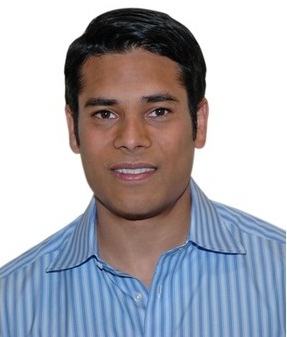
  • Nirav Tolia Charged with Felony Hit-and-Run Involving Executive Recruiter

    Nirav ToliaIn late October, Nirav Tolia had reason to celebrate. The CEO of Nextdoor, a four-year-old, San Francisco-based social network for neighbors, had just raised $60 million in a financing led by Kleiner Perkins Caufield & Byers and Tiger Global Management — a round that brought the company’s funding to roughly $100 million.

    “We didn’t go out looking for money,” Tolia told Dealbook at the time. “To some extent the guys who were interested wouldn’t take no for an answer.”

    Yet a misstep two months earlier now threatens to cast a shadow over Tolia and the company. Specifically, Tolia is facing criminal charges over accusations that he caused a collision on Highway 101 in San Mateo County south of San Francisco on August 4th of last year. Self-employed executive recruiter, Patrice Motley, says it was then that, through aggressive maneuvering, Tolia caused her black Honda to spin across two lanes of traffic before hitting a concrete median and coming to rest in the fast lane of oncoming traffic.

    Motley has since hired Brent, Fiol & Nolan, a San Francisco personal injury law firm, and filed a civil suit against Tolia. The firm’s complaint alleges that Motley suffered neck and back injuries, fracture of bones in her left hand, and post-traumatic stress disorder, all of which have rendered her incapable of accomplishing routine tasks necessary for independent living and seriously impacted her ability to earn a living. (You can see the lawsuit, filed earlier today, here, along with the CHP report.)

    San Mateo County District Attorney Steve Wagstaffe is also now pursuing a felony hit-and-run charge against Tolia for leaving the scene of the crash.

    Tolia said in an email, “I just learned about these allegations and will cooperate fully with authorities. This is a personal matter that happened last August and is not related to Nextdoor.”

    Meanwhile, I spoke earlier today with Joseph Brent, Motley’s attorney, about Motley’s version of events. He said Tolia, driving behind another car that was driving at a comparatively slower speed, veered into Motley in the adjacent lane in an attempt to get in front of the slower car. Motley “honked at him but he apparently didn’t hear [the honking] and didn’t realize he was [about to crash into Motley] until his wife informed him that he was about to hit a car. But it was too late and Patrice lost control of her car.”

    Tolia then “fled the scene,” said Brent. “If it weren’t for concerned citizens who watched what happened, and took down his license number, no one would have known who caused the car accident.”

    He added that Motley was “was left in harm’s way in the fast lane with cars rushing toward her at a high rate of speed. She was terrified.”

    Asked why Motley is filing a civil suit against Tolia now, roughly nine months after the accident, Brent said that “some of it has to do with confidential settlement communications with Mr. Tolia” and declined to comment further. Asked why San Mateo’s District Attorney is just now filing charges, he said, “I have no idea why the [D.A.] chose to file today, but I know why we filed today. The time was now. There was no reason to delay.”

    Asked if Motley has been involved in a lawsuit before, Brent told me he doesn’t know. But he quickly painted a picture of a model citizen who has an undergraduate and master’s degree from Michigan State, has worked as an adjunct professor at both UC Berkeley’s extension program and at SF State, is “very active in her community,” and was even “a candy striper.”

    In a police report filed by CHP investigators in the accident’s immediate aftermath, Tolia — who was cited for “making an unsafe lane change” — said he saw only part of what had happened. He told investigators that he saw Motley’s car spin out in front of him but he didn’t see it hit the median. According to that police report, Tolia “added that he did not call law enforcement because he was certain that someone had called. He also stated that he was in ‘shock’ and did not know what to do.’”

    As longtime Silicon Valley watchers will know, this new lawsuit isn’t the first to involve Tolia. Earlier in his career, he was caught lying on his resume and forced to resign from Shopping.com, a bubble-era company that went public and was later acquired by eBay. Early employees of the company, which was originally called Epinions, had sued Tolia and Shopping.com backers Benchmark Capital and August Capital, alleging they’d conspired to deprive them of tens of millions of dollars in the sale. EBay later settled the suit, and Benchmark, which has remained an ardent supporter of Tolia over the years, brought Tolia aboard as an entrepreneur-in-residence.

    Benchmark was among a long line of top firms to pile into Nextdoor’s first big institutional round, an $18.6 million funding closed in July 2012.

    Tolia is to appear May 29 in San Mateo County Superior Court in the criminal matter.


  • StrictlyVC: May 14, 2014

    It is Wednesday, fine readers! Hope you have a stellar day. StrictlyVC is a little under the weather, so apologies in advance if there’s a higher-than-usual number of typos. We blame the cold medicine.

    —–

    Top News in the A.M.

    Twenty-eight CEOs representing companies that provide Internet service to a majority of Americans sent a letter to the FCC yesterday, warning the agency against adopting more regulations of broadband lines.

    —–

    Hunter Walk on Thinking Longer Term

    It seems like yesterday that Hunter Walk and Satya Patel officially closedtheir first $35 million venture fund, but it was actually early last summer. And in the life of a seed-stage firm like Homebrew — where Walk and Patel have two-thirds of their capital reserved for follow-on investments — that’s an eternity.

    No wonder Walk – who previously worked for nine years at Google – and Patel – who logged a decade at Google, Battery Ventures, and Twitter – are already thinking about what a second fund might look like. Walk and I talked about it last week over a burger at a San Francisco eatery. Our conversation has been edited for length.

    You say you focus on the “bottom-up economy,” services and tools that make it possible for small players to compete with big companies, including, more recently, looking at bitcoin as a bottom-up currency; 3D printing as bottom-up manufacturing; and drones as bottom-up satellites. How else does Homebrew distinguish itself?

    We didn’t create Homebrew to create more noise in a crowded marketplace. We felt there was still a pretty small number of seed-stage funds that will be around for a long time, that have been started by former operators, and that want to take front-of-the-round positions.

    Why makes you better positioned than some?

    First, having a partner who has done venture before [is a big advantage]. There’s also a set of best practices and certain frameworks and models that we’ve thought about in advance — such as [around] what cash flow and portfolio management look like — that sometimes folks who’ve only come from an operating background or angel investor background don’t really understand.

    You’ve told me you could have raised more money last year. Will you go bigger the next time and will we see a third partner?

    That’s something we’ve discussed only lightly and I don’t think we’d do it in the near future. In some ways, we started Homebrew because we didn’t want to join existing funds . . . And so it’s this ironic situation where, if we were to try to find a third or fourth partner down the road, would we suddenly be the incumbent? How would we attract an entrepreneurial VC versus someone who just sees us as an existing fund? So we have to think about all that.

    I think the incentives are to raise more money, [between] management fees, ego, and deal flow optionality – you get exposed to a lot of things you want to invest in. But we’re not doing this to [eventually] raise a $500 million multistage fund or become a 12-partner business that builds out shared services and competes with billion-dollar funds. We know firmly which side of the [investing] barbell we want to be on.

    Roughly one year into this endeavor, what’s been the biggest surprise?

    With venture — and I think it’s one of the reasons I write so much, working through my own learnings – the fund cycle is long. Satya just saw two exits from companies he invested in at Battery in 2007 and 2008. So you want to bring a sense of urgency every day, to lean in and help [your startups], but you also have to manage your own energy and keep the founders who are burning hard every day in the right frame of mind.

    How?

    By making their lives simpler [and doing what you can] to clear the road ahead. We also ensure boards are formed with an outside board member. Most seed investors don’t ask for a board seat and don’t care if there’s an outside board member. We care a lot, not because we want control but because we want first-time founders to build confidence and a management cadence and, when it comes time to raise a Series A, signal to other investors that theirs is a company that’s been operating with some maturity.

    You don’t need a bunch of people around the table. But having worked for strong founders [at Google and Twitter] and seen the benefit of founder-driven companies — not just in year one but in year 10 — we want folks who are building something that, in their head, will be around a while. And our job is to help prepare them for that, because it’s not easy.

    dropcam_300x250_learn

    New Funds

    AdSame, a 4.5-year-old, Shanghai-based digital marketing service that offers online media planning, performance monitoring, evaluation and more for a variety of customers, has raised $30 million in new funding led by Pacific Venture Partners and Dream Capital Groupreports TechNode. Earlier investors, including Matrix Partners and Vertex Ventures, also participated. AdSame has raised at least $50 million to date.

    Agiliance, a nine-year-old, Sunnyvale, Ca.-based maker of security risk management software, has received $5 million in funding from the specialty finance firm Wellington Financial. The company has raised $24 million altogether, shows Crunchbase, including from Intel CapitalWalden International,Red Rock Ventures and Castile Ventures.

    Attensity, a 14-year-old, Salt Lake City, Ut.-based company whose software detects consumer sentiment by sifting through structured and unstructured data, has raised $90 million in new funding. The funding comes from what the company describes in a release as simply an “international private equity fund” and that VentureWire is reporting is earlier investor Aeris Capital AG, the investment vehicle of SAP AG co-founder Klaus Tschira. Attensity has raised $148 million altogether.

    BodeTree, a 3.5-year-old, Tempe, Az.-based company whose online financial analytics dashboard aims to help small owners better understand their finances, has raised $2 million in Series A funding led by Greenline Ventures, a Denver-based investment firm. Other, undisclosed angels also participated in the round.

    Boxed, a year-old, New York-based company whose smartphone app allows users to order consumer packaged goods in bulk (with two-day free delivery), has raised $6.5 million in Series A funding led by Greycroft PartnersFirst Round Capital and Signia Venture Partners. Other investors to participate in the round included ENIAC VenturesSocial StartsBoxGroup, former Facebook COO Owen Van Natta and former Zynga COO David Ko.

    Bunkr, a 2.5-year-old, Upper Normandy, France-based maker of software presentation tools, has raised $1.4 million from Idinvest Partners, along with individual investors Daniel Marhely and Xavier Niel. TechCrunch has more here.

    Ceterix Orthopaedics, a four-year-old, Menlo Park, Ca.-based maker of surgical tools for arthroscopic procedures, has raised $18 million in new financing led by earlier investors Novo A/SVersant Ventures and 5AM Ventures. The round also included an unspecified amount of debt financing from Silicon Valley Bank and Oxford Finance.

    Ditto Labs, a two-year-old, Cambridge, Ma.-based photo-analytics startup created by a team of MIT-trained computer scientists, has raised $2.2 million in seed funding from various individual investors, including Anthony Tjan, managing partner of Cue Ball Group; John Battelle, executive chairman of Sovrn Holdings; David William Baum, partner at Stage 1 Strategies; Nicholas Negroponte, co-founder MIT Media Lab; and Mike Sheehan, CEO of The Boston Globe.

    Life360, a 5.5-year-old, San Francisco-based company whose mobile application securely connects family members and close friends in case of an emergency, has raised a $25 million strategic round of investment from the publicly traded home security giant ADT. The money represents the first tranche of a $50 million Series C round slated to close within the next month, reports VentureWire. The round will push the startup’s total funding to $76 million from roughly two dozen investors, including DCM,Bessemer Venture PartnersSeraph Group500 Startups and Kapor Capital.

    Pro.com, a year-old, Seattle-based startup whose online platform provides users with instant, real-time estimates for any home project (then helps them schedule appointments with home improvement professionals), has raised $3.5 million from investors, with another round likely to follow, reports Geekwire. The company’s backers include Madrona Venture GroupAndreessen HorowitzRedpoint Ventures,Two Sigma VenturesSherpa Foundry and Bezos Expeditions.

    ResponseTap, a six-year-old, Manchester, England-based company that sells voice-centric marketing technology and advanced visitor-level call-tracking, has raised roughly $6.7 million in Series B funding from Beringea and Eden Ventures. The company has raised $9.3 million to date, shows Crunchbase.

    Sift Science, a 2.5-year-old, San Francisco-based cyber security startup that uses machine learning to sniff out credit card fraud, has raised $18 million in Series B funding led by Spark Capital, with participation from Union Square VenturesFirst Round Capital, and Max Levchin. The company, founded by former Google engineers, has raised $23.5 million altogether.

    SolveBio, a year-old, New York-based company that wants to make it simpler for developers to integrate genomic data into their applications, has raised $2 million in seed funding. The round was led Andreessen Horowitz, which was joined by SV Angel and numerous individual investors, including the founders of Flatiron Health, a company that last week announced a $130 million Series B round led by Google Ventures.

    YouEarnedIt, a 2.5-year-old, Austin, Tx.-based software platform that encourages employees to recognize the good work of their colleagues and give them “props” that their employers can see, has raised $1.5 million in funding from Capital Factory and WPP, the publicly traded advertising giant. (Founder Kenny Tomlin sold his digital ad agency, Rockfish, to WPP Digital in 2011, though he remains CEO of the company.)

    —–
    New Funds

    Sierra Ventures, the 32-year-old, San Mateo, Ca.-based early-stage venture firm, has closed its Fund X at $145 million — less than half the size of its $400 million ninth fund, which closed in October 2006, reports VentureWire. That ninth fund required five months of fundraising; the firm began fundraising efforts for its new fund, which originally had a $200 million target, in December 2011.

    Unsurprisingly, the firm has seen personnel shifts. Partners Vispi Daver and Robert Walker are long gone, for example. Last year, the firm also brought in Al Campa, the former chief marketing officer for Taleo Corp. (sold to Oracle in 2012) as a partner, but his title has since changed to entrepreneur-in-residence.

    Going forward, reports VentureWire, managing directors Tim GuleriMark FernandesBen Yu and partner Aaron Tong will invest from the new fund. Three other managing directors — Steven WilliamsPeter Wendell and David Schwab — will manage their existing investments alone as they move on to other things.

    Schwab, for one, has already revealed his next steps, announcing the founding last month of Vertical Venture Partners, a fund that will invest in the companies and technologies invented by UC San Diego faculty, students, and alumni. Xconomy had more on the story here.

    —–

    Exits

    Meh Labs, a 2.5-year-old, Palo Alto, Ca.-based company whose mobile messaging app, Blink, lets users share self-destructing messages, has been acquired by Yahoo for undisclosed terms, reports TechCrunch. The company’s seven employees will join Yahoo and the app will be shut down. Meh Labs had raised $1 million in seed funding from Triple PointNew Enterprise AssociatesAngelPad, and numerous angel investors.

    —–

    People

    Age 30 and younger: The 14 rising stars in Silicon Valley who “find hot startup deals and invest millions.”

    Nathalie De Clercq, a founding partner at WipLabs Designs, a New York-based e-commerce businesses, is suing People magazine for incorrectly identifying her in a photo as Amanda Rosenberg, the alleged mistress of Google co-founder Sergey Brin. In papers filed in Manhattan Supreme Court, De Clercq says People ran a picture of her wearing Google Glass while on a bike ride in Central Park, a mistake that has turned her into “a laughingstock,” her attorney tells the New York Daily News. De Clercq has further been “handicapped by being the object of ridicule and derision,” says the attorney. “Her reputation has been harmed and it’s difficult for her to go on with her life.”

    Mark Heesen — who long led the efforts at National Venture Capital Association, first as its head of public policy for eight years beginning in 1991 and then as its president for 14 years, beginning in 1999 — was given a lifetime achievement award by the organization yesterday at its VentureScape conference. Heessen “served on the front lines of some of the biggest public policy debates of the last two decades, and his leadership cemented NVCA has an authoritative and go-to credible resource inside the beltway,” NVCA chair Josh Green said in a statement afterward.

    Venture capitalist Vinod Khosla, who is becoming known to many as themogul at the center of a lawsuit over public access to Martin’s Beach in San Mateo County, Ca., testified Monday that he didn’t recall details about his decision to deny public access to the once-popular beach, where he owns a roughly $40 million property. Khosla, who took the stand for an hour and 14 minutes, repeatedly said he didn’t remember seeing certain documents, including one from a judge saying he would need approval to close off access to the beach.

    Anthony Noto, who’d become one of Goldman Sachs‘s highest-profile investment bankers and is widely credited with landing the Twitter IPO, has left the bank to join the hedge fund Coatue Management. Dealbook has much more on Noto’s move — and what it means for both Goldman and Coatue — here.

    —–

    Job Listings

    Funding Circle, the venture-backed online marketplace that allows individuals to lend money to small and mid-size businesses, is looking for a business development analyst in San Francisco.

    —–

    Happenings

    VetsinTech, a nonprofit made up of tech investors and military veterans who train, connect, and find jobs for veterans interested in tech careers, will gather together roughly 60 veterans today at the offices of Next World Capital in San Francisco for an inaugural VetCap workshop. VetCap is a new initiative to help train veterans who are entrepreneurs on where and how to raise capital, and to connect them to a network of financing sources. More information here.

    —–

    Data

    Why consumer metrics are all terrible.

    —–

    Essential Reads

    This company promises email that can self-destruct in five seconds.

    Apple’s iPad may soon feature a new split-screen multitasking feature, according to the outlet 9to5Mac. The feature will reportedly allow iPad users to run and interact with two iPad applications at once.

    Skype’s co-founder Janus Friis is looking to take on Fitbit with a new data-heavy health and wellness-focused wearable device, and he’s assembled a high-profile team for his stealth startup dubbed Project Florida toward that end. GigaOm has more here.

    —–

    Detours

    Deciphering social media with charts.

    Why we favorite tweets.

    —–

    Retail Therapy

    Fuselage wall clocks.

    You can now buy Google Glass, as long as you live in the U.S.

    If you enjoy whiskey and pork, you’ll love reading what a distillery in Iowa is doing. (Or not.) H/T: Marc Andreessen

    —–

    To sign up for StrictlyVC, click here. To advertise, click here.

  • Hunter Walk on Thinking Longer Term

    Hunter Walk.photoIt seems like yesterday that Hunter Walk and Satya Patel officially closed their first $35 million venture fund, but it was actually early last summer. And in the life of a seed-stage firm like Homebrew — where Walk and Patel have two-thirds of their capital reserved for follow-on investments — that’s an eternity.

    No wonder Walk – who previously worked for nine years at Google – and Patel – who logged a decade at Google, Battery Ventures, and Twitter – are already thinking about what a second fund might look like. Walk and I talked about it last week over a burger at a San Francisco eatery. Our conversation has been edited for length.

    You say you focus on the “bottom-up economy,” services and tools that make it possible for small players to compete with big companies, including, more recently, looking at bitcoin as a bottom-up currency; 3D printing as bottom-up manufacturing; and drones as bottom-up satellites. How else does Homebrew distinguish itself?

    We didn’t create Homebrew to create more noise in a crowded marketplace. We felt there was still a pretty small number of seed-stage funds that will be around for a long time, that have been started by former operators, and that want to take front-of-the-round positions.

    Why makes you better positioned than some?

    First, having a partner who has done venture before [is a big advantage]. There’s also a set of best practices and certain frameworks and models that we’ve thought about in advance — such as [around] what cash flow and portfolio management look like — that sometimes folks who’ve only come from an operating background or angel investor background don’t really understand.

    You’ve told me you could have raised more money last year. Will you go bigger the next time and will we see a third partner?

    That’s something we’ve discussed only lightly and I don’t think we’d do it in the near future. In some ways, we started Homebrew because we didn’t want to join existing funds . . . And so it’s this ironic situation where, if we were to try to find a third or fourth partner down the road, would we suddenly be the incumbent? How would we attract an entrepreneurial VC versus someone who just sees us as an existing fund? So we have to think about all that.

    I think the incentives are to raise more money, [between] management fees, ego, and deal flow optionality – you get exposed to a lot of things you want to invest in. But we’re not doing this to [eventually] raise a $500 million multistage fund or become a 12-partner business that builds out shared services and competes with billion-dollar funds. We know firmly which side of the [investing] barbell we want to be on.

    Roughly one year into this endeavor, what’s been the biggest surprise?

    With venture — and I think it’s one of the reasons I write so much, working through my own learnings – the fund cycle is long. Satya just saw two exits from companies he invested in at Battery in 2007 and 2008. So you want to bring a sense of urgency every day, to lean in and help [your startups], but you also have to manage your own energy and keep the founders who are burning hard every day in the right frame of mind.

    How?

    By making their lives simpler [and doing what you can] to clear the road ahead. We also ensure boards are formed with an outside board member. Most seed investors don’t ask for a board seat and don’t care if there’s an outside board member. We care a lot, not because we want control but because we want first-time founders to build confidence and a management cadence and, when it comes time to raise a Series A, signal to other investors that theirs is a company that’s been operating with some maturity.

    You don’t need a bunch of people around the table. But having worked for strong founders [at Google and Twitter] and seen the benefit of founder-driven companies — not just in year one but in year 10 — we want folks who are building something that, in their head, will be around a while. And our job is to help prepare them for that, because it’s not easy.

    Sign up for our morning missive, StrictlyVC, featuring all the venture-related news you need to start you day.

  • StrictlyVC: May 13, 2014

    Good Tuesday morning, everyone!

    —–

    Top News in the A.M.

    Internet companies can be made to remove irrelevant or excessive personal information from search engine results, Europe’s top court ruled earlier today in a case pitting privacy campaigners against Google.

    —–

    Ed Tech Startups are Hot: Now, How to Make Money

    There’s no question that when it comes to ed tech, the market is about as hot as it gets. According to CB Insights, roughly $600 million was invested in 103 related deals in the first quarter of this year. Compare that to all of 2013, when investors plugged $1.25 billion into ed tech startups, and you start to sense just how brisk the pace of investing has been.

    Some questions now are where to pour more dollars, as well as how investors will wring venture returns out of the startups they’ve already backed. Wright Steenrod, a partner at Chrysalis Ventures, has a few answers, based on his 10 years of experience in ed tech investing. We chatted by phone yesterday.

    Your firm has sold several ed tech companies, and you’re currently on the boards of three others. What do you think education will look like in 20 years?

    I think there will be a public K-12 system and that we’ll still have four-year colleges where people go to school and live in dorms. In North America, which has brand value in post secondary leadership, [education] will still be delivered through the institutions that it’s delivered through now. But international [education] is a completely different story. Because the developing world has fewer robust institutions, it’s much more of a green field opportunity.

    There are so many ways to fund education-related startups right now. What are you looking for specifically?

    We think there’s opportunity within K-12 and secondary education. When you look at the budget situation in this country, it’s hard to argue that schools will receive more money to spend; instead, they have to create greater value with lesser dollars, much like healthcare. So tech and services that help schools deliver better value at less cost is an area of interest.

    What kinds of tech and services?

    I think overall, standardized tests will see a lot of innovation. Even more interesting to me are cognitive science tests that tell you quite a bit about how somebody thinks or behaves. These types of tests have been sitting around in desk drawers because you didn’t have the Internet to distribute them, and you didn’t have an artificial intelligence engine to grade them, but [now that we do], I think you’ll see more.

    What’s overfunded?

    From an early-stage investor’s point of view, it’s difficult to try and figure out which content and curriculum will succeed. It’s being sourced all over the globe. There are talented people everywhere who’ve developed online ways of helping 4- to 6-year-olds learn how to read, and created math programs for 7-years-olds. But is the literacy program developed in Australia — versus Singapore versus California — better? I think it’s very hard to determine from an investors’ perspective, yet a lot of money is going into [related startups].

    It’s hard to see how many of these companies exit. Who are the acquirers here for companies that don’t go public?

    There are a number of non-traditional buyers that are interested in education. Google’s deal with Renaissance Learning comes to mind. I think private equity firms or new strategics will be buyers, including because you can build stable cash-flow businesses around education. Traditional institutions like Pearson will be buyers as well, though with all the money coming into the space, they aren’t going to buy enough to allow many investors to find a successful exit.

    We should all be excited as citizens for what tech is doing for education. But I do think how you make money off those innovations remains the biggest challenge for investors.

    dropcam_300x250_learn

    New Fundings

    Addepar, a 4.5-year-old, Mountain View, Ca.-based cloud-based platform that’s used by wealth and fund managers to connect users’ financial data in a single repository, has raised $50 million in a round of financing led by Yammer founder David Sacks and the venture firm Valor Equity Partners. The company has raised $65.8 million altogether, including from AccelerateIT Ventures and ff Venture Capital.

    Adform, a 12-year-old, Copenhagen-based ad tech company, has raised $5.5 million in Series B funding led by the Nordic firm Via Venture Partners, which had also provided Adform with an undisclosed amount of funding in 2010.

    Anaplan, a 7.5-year-old, San Francisco-based company that makes business planning software, has raised $100 million in Series D funding led by DFJ. Other investors in the round include Brookside Capital,Coatue ManagementSands Capital Management, and Salesforce, along with earlier investors Granite VenturesMeritech Capital Partners and Shasta Ventures. Anaplan has raised $150 million altogether. The WSJ has more on the giant round here.

    Aquion Energy, a 5.5-year-old, Pittsburgh, Pa.-based company that makes sodium ion batteries and energy storage systems, has secured $20 million in venture debt from Trinity Capital Investment and CapX Partners. The company has separately raised about $94 million in equity, according to Crunchbase. Some of its backers include Kleiner Perkins Caufield & ByersFoundation CapitalAdvanced Technology VenturesBright CapitalBill Gates, and Gentry Venture Partners.

    Auxmoney, a 6.5-year-old, Düsseldorf, Germany-based peer-to-peer marketplace for lending money, has raised a $16 million Series B round led by Foundation CapitalPartech Ventures and Scott Bommer, founder of the hedge fund SAB Capital, also participated in the funding, as did earlier investors Index Ventures and Union Square Ventures. Auxmoney has raised $29 million to date, reports TechCrunch.

    BlazeMeter, a 2.5-year-old, New York-based company that has created a self-service, cloud-based performance testing platform for enterprises, has raised $6.5 million in Series A funding led by earlier investor YL VenturesGlilot Capital Partners and Western Technology Investment also participated in the round, reports TechCrunch. The company has raised $7.7 million to date.

    BuildingIQ, a 4.5-year-old, Foster City, Ca.-based maker of energy-management software, is looking to raise a new round of financing on a par with a $9 million round the company closed in early 2013, reports Bloomberg. BuildingIQ’s current backers include Aster CapitalPaladin Capital Group, and Siemens Venture Capital. It has raised $20.7 to date.

    ChargePoint, a 6.5-year-old, Campbell, Ca.-based electric vehicle charging network, has raised $22.6 million in new funding from existing investors Rho VenturesKleiner Perkins Caufield & ByersBraemar Energy VenturesSiemens Venture CapitalVoyager Capital and BMW. It has now raised a total of $110 million in funding.

    Chase Pharmaceuticals, a 6.6-year-old, Washington, D.C.-based company that’s focused on the clinical development of treatments for central nervous system diseases, has raised $21 million in Series B funding led by New Rhein Healthcare Investors. Other new investors include Edmond de Rothschild Investment Partners and Cipla Ventures. The company has raised $22.2 million to date, shows Crunchbase.

    Colabo, a 3.5-year-old, San Carlos, Ca.-based software company whose platform helps sales and marketing professionals with lead generation, has raised $1.5 million in funding from the Hive, a firm that incubates and funds data-focused startups. Other participants in the round included Pivotal CEO (and former VMWare CEO) Paul Maritz, and Ray Rothrock, who spent 25 years as a venture capitalist with Venrock.

    Instart Logic, a 3.5-year-old, Mountain View, Ca.-based company that makes application delivery software aimed at improving Web and mobile app performance, has raised $26 million from Kleiner Perkins Caufield & ByersAndreessen HorowitzGreylock PartnersSutter Hill Ventures and Tenaya Capital. The company has raised $52 million to date.

    iYogi, a 6.5-year-old, Gurgaon-based company that sells online, subscription-based technical support services across a wide range of computing and communications devices, has raised $28 million in Series E funding from Axon Partners GroupMadison India Capital, and a group of other unnamed investors, reports VCCircle. The company has raised $86.5 million to date, according to Crunchbase.

    Lysosomal Therapeutics, a new, Cambridge, Ma.-based company focused on discovering new drugs for neurodegenerative diseases, has raised $4.8 million in seed funding led by Atlas Venture. Other participants in the round included Hatteras Venture PartnersLilly VenturesSanofi-Genzyme BioVenturesRoche Venture Fund,Partners Innovation FundOrion Equity Partners, and several angel investors.

    Mobius Motors, a three-year-old, Kenya-based car-manufacturing company that plans to build Africa’s cheapest car, has raised an undisclosed amount of funding from Pan African Investment Co., the two-year-old investment firm of billionaire Ronald Lauder and former TimeWarner CEO Dick Parsons. Forbes has more here.

    SalesPredict, a two-year-old, San Francisco-based SaaS startup focused on helping its clients increase revenues using predictive analytics, has raised $4.1 million in Series A funding from YandexKGC Capital and existing investors. The company has raised 5.3 million to date.

    Shareablee, a 1.5-year-old, New York-based social media analytics startup, has raised $6 million in Series A funding led by SoftBank Capital. Earlier investor Valhalla Partners also participated in the round, which brings the company’s total funding to $6.76 million.

    Swagbucks, a 5.5-year-old, El Segundo, Ca.-based rewards site that competes with RetailMeNot and others, has raised a $60 million round of funding from Technology Crossover Ventures. It is the first round of outside funding for the company, which has been profitable since 2010, reports TechCrunch.

    —–

    New Funds

    Norwest Venture Partners has closed its 12th fund, Norwest Venture Partners XII LP, at $1.2 billion, which is the same size as its last fund, closed in 2009. Wells Fargo remains the outfit’s sole backer. The WSJ’s Deborah Gage has much more here.

    —–

    IPOs

    Zendesk, the on-demand customer service platform provider, is expected to go public on Thursday in an IPO that could prove important to Box‘s postponed initial offering. Silicon Valley Business Journal elaborates here.

    —–

    Exits

    HealthPost, a three-year-old, Houston-based physician referral and appointment scheduling startup, has been acquired for “around $25 million” by The Advisory Board Company, a Washington, D.C.-based research, technology, and consulting firm. MedCity News has more here. HealthPost had raised an undisclosed amount of money from Next Wave Health.

    Lumena Pharmaceuticals, a three-year-old, San Diego-based biopharmaceutical company focused on rare cholestatic liver diseases and serious metabolic disorders, has been acquired for $260 million by Shire, a Dublin-based specialty pharmaceuticals company that trades on the London Stock Exchange. Lumena had raised roughly $70 million from investors, including Alta PartnersNew Enterprise Associates,RA Capital ManagementAdage Capital ManagementRiverVest, and Pappas Ventures and had filed to go public last month. Xconomy has more here.

    NanoH2O, a nine-year-old, L.A.-based maker of reverse osmosis membranes for seawater desalination, has been acquired by Seoul-based LG Chem Ltd. for $200 million. The company had raised at least $95.5 million, shows Crunchbase, including from Khosla VenturesOak Investment PartnersBASF Venture Capital GmbHTotal Energy Ventures International and the China-focused fund Keytone Ventures. Bloomberg has more here.

    VersaPharm, a 19-year-old, Marietta, Ga.-based developer and marketer of generic pharmaceuticals and topical treatments, has been acquired by the publicly traded specialty drugmaker Akorn for $440 million. The acquisition price wasn’t disclosed. The Atlanta Business Chronicle has more here.

    Wilocity, a 6.5-year-old, Caesarea, Israel-based mobile device chip maker, is in advanced talks to be acquired by the mobile phone chip maker Qualcomm, for “some $300 million,” reports Haaretz. The piece adds that the “two sides have yet to agree terms on all the provisions of the sale.” Wilocity has raised at least $55 million from investors, including BenchmarkSequoia CapitalJerusalem Global Ventures, and Tallwood Venture Capital.

    —–

    People

    Fast Company has just published its list of the “100 Most Creative People in Business” edition and it’s studded with tech operators. Among them: Tim Kendall of PinterestNaval Ravikant of AngelList, and Mariam Naficy of Minted.

    In 2010, Facebook CEO Mark Zuckerberg donated $100 million to the Newark public school system. Four years later, the funds have had astonishingly little impact, reports the New Yorker.

    —–

    Job Listings

    Trulia, the residential real-estate site and service that went public in the fall of 2012, is looking for a VP of business development. The job is in San Francisco.

    —–

    Happenings

    The VentureScape conference kicks off in San Francisco today. Here is the agenda, if you’re thinking about swinging by. (StrictlyVC hopes to be there for a bit.)

    Wired’s BizCon conference also kicks off today. Here are some details about the event, taking place in New York City.

    —–

    Data

    The research firm 451 Research has surveyed its audience a handful of times since the spring of 2012 of it says respondents have never been so bullish on M&A as now, with 72 percent expressing plans to step up their M&A activity through the end of 2014. More here.

    Health-software startups raised $237.5 million in the first quarter of this year, the most raised in any single quarter since 2000, according to Dow Jones VentureSource.

    —–

    Essential Reads

    Square Wallet had everything going for it. And now it’s dead.

    Launching a business is easier than it’s ever been, but the lives of new companies are often brutish and short, reports James Surowiecki.

    —–

    Detours

    An around-the-world selfie.

    Mom computer therapy.

    —–

    Retail Therapy

    The Wiki Booth.

    Calamityware!

    —–

    To sign up for StrictlyVC, click here. To advertise, click here.

  • Ed Tech Startups are Hot: Now, How to Make Money

    ed-techThere’s no question that when it comes to ed tech, the market today is about as hot as it gets. According to CB Insights, roughly $600 million was invested in 103 related deals in the first quarter of this year. Compare that to all of 2013, when investors plugged $1.25 billion into ed tech startups, and you start to sense just how brisk the pace of investing has been.

    Some questions now are where to pour more dollars, as well as how investors will wring venture returns out of the startups they’ve already backed. Wright Steenrod, a partner at Chrysalis Ventures, has a few answers, based on his 10 years of experience in ed tech investing. We chatted by phone yesterday.

    Your firm has sold several ed tech companies, and you’re currently on the boards of three others. What do you think education will look like in 20 years?

    I think there will be a public K-12 system and that we’ll still have four-year colleges where people go to school and live in dorms. In North America, which has brand value in post secondary leadership, [education] will still be delivered through the institutions that it’s delivered through now. But international [education] is a completely different story. Because the developing world has fewer robust institutions, it’s much more of a green field opportunity.

    There are so many ways to fund education-related startups right now. What are you looking for specifically?

    We think there’s opportunity within K-12 and secondary education. When you look at the budget situation in this country, it’s hard to argue that schools will receive more money to spend; instead, they have to create greater value with lesser dollars, much like healthcare. So tech and services that help schools deliver better value at less cost is an area of interest.

    What kinds of tech and services?

    I think overall, standardized tests will see a lot of innovation. Even more interesting to me are cognitive science tests that tell you quite a bit about how somebody thinks or behaves. These types of tests have been sitting around in desk drawers because you didn’t have the Internet to distribute them, and you didn’t have an artificial intelligence engine to grade them, but [now that we do], I think you’ll see more.

    What’s overfunded?

    From an early-stage investor’s point of view, it’s diffcult to try and figure out which content and curriculum will succeed. It’s being sourced all over the globe. There are talented people everywhere who’ve developed online ways of helping 4- to 6-year-olds learn how to read, and created math programs for 7-years-olds. But is the literacy program developed in Australia — versus Singapore versus California — better? I think it’s very hard to determine from an investors’ perspective, yet a lot of money is going into [related startups].

    It’s hard to see how many of these companies exit. Who are the acquirers here for companies that don’t go public?

    There are a number of non-traditional buyers that are interested in education. Google’s deal with Renaissance Learning comes to mind. I think private equity firms or new strategics will be buyers, including because you can build stable cash-flow businesses around education. Traditional institutions like Pearson will be buyers as well, though with all the money coming into the space, they aren’t going to buy enough to allow many investors to find a successful exit.

    We should all be excited as citizens for what tech is doing for education. But I do think how you make money off those innovations remains the biggest challenge for investors.

    Sign up for our morning missive, StrictlyVC, featuring all the venture-related news you need to start you day.

  • StrictlyVC: May 12, 2014

    Good morning, everyone! Hope you had a terrific weekend.

    —–

    Top News in the A.M.

    Faced with pressure from Google and other corners of the tech world, FCC Chair Tom Wheeler is revising his proposed rules to allow Internet service providers to charge content companies like Google for faster access into U.S. homes, reports the WSJ. Doubtful it goes far enough to appease critics, however. He’s reportedly “sticking to the same basic approach but will include language that would make clear that the FCC will scrutinize the deals to make sure that the broadband providers don’t unfairly put nonpaying companies’ content at a disadvantage . . .”

    —–

    When One Hello Just Isn’t Enough

    Orkut Buyukkokten, the Turkish Google engineer who is best known for building Google’s early social network, also named Orkut, has left the company after nearly 12 years to co-found Hello, a still-stealth social network that’s been flying under the radar for the last three months — though likely not for much longer.

    Buyukkokten hasn’t yet responded to an interview request sent yesterday afternoon, but Hello’s site describes Hello as a “one-of-a-kind community of users who celebrate friendship, imagination, self-expression, and authentic engagement in a safe environment.” It goes on to encourage users to “[e]ngage in targeted social exploration and content sharing with fascinating connections that relate to the diverse parts of your personality.”

    StrictlyVC is still trying to learn more, including who has funded Hello, but its ties to Google run strong. Apart from Buyukkokten, the startup’s domain, Hello.com, was long owned by Google, which had used it for an early, Snapchat-like photo sharing service called Hello that it shuttered in 2008. Google held on to the domain until last month, when it reportedlytransferred Hello.com to John Murphy, Hello’s co-founder and chief technology officer. Murphy, like Buyukkokten, also spent roughly a dozen years as a software engineer and manager at Google. (One of the only other employees listed on LinkedIn as working at Hello, Benjamin Douglass, is also a former Google engineer.)

    Meanwhile, in January, a San Francisco-based company called Hello quietly raised $10.5 million from 44 investors, according to an SEC filing that shows a target of $18.2 million. The one individual listed on the filing is James Proud, a South London native who arrived in San Francisco several years ago by way of the Thiel Fellowship program, a two-year fellowship for applicants under age 20. As a Thiel Fellow, Proud developed and sold his startup, GigLocator, which aggregated live music listings, for an undisclosed amount in 2012.

    Is it just a coincidence that two companies with ties to powerful Silicon Valley nodes would both be operating in stealth mode less than fifty miles away from each other? Perhaps. After all, this is Silicon Valley, where entrepreneurs routinely operate in their own little worlds. And more to the point, StrictlyVC can’t tie them together as of this writing. (We reached out to Proud and Murphy for comment, but to no avail.)

    Whether these companies are connected or not, one thing is certain: Buyukkokten’s Hello seems ready to raise its public profile. This past Saturday night, sources tell me that Buyukkokten bused 200 people from San Francisco down to Hello’s Palo Alto headquarters for a launch party. If it was anything like Buyukkokten’s past affairs, we may be reading about it soon on Gawker, too.

    dropcam_300x250_learn

    New Fundings

    iZettle, a four-year-old, Stockholm-based mobile payments company that’s been compared to a European version of Square, has raised $55 million in new funding led by Zouk Capital, with participation from two other new investors, Dawn Capital and Intel Capital. Earlier investors CreandumGreylock PartnersIndex VenturesNorthzone and SEB Venture Capital also participated in the round, reports TechCrunch. Altogether, the company has raised roughly $100 million, including from American ExpressMasterCard and Banco Santander.

    Pure Life Renal, a year-old, Hollywood, Fla.-based dialysis company, has raised $20 million in Series A funding from Montreux Equity PartnersNoro-Moseley Partners and Hamilton Lane.

    Send Anywhere, a two-year-old, Seoul-based company whose app enables users to directly share content peer-to-peer between devices (without the content being saved to the cloud first), has raised $1 million in seed funding led by SaeMin Ahn, a managing partner at Rakuten Ventures. Other participants, reports TechCrunch, include Andrew McGlincheyAndy Warner, and two Korean angel investors.

    Shakr Media, a 3.5-year-old, Seoul, Korea-based that combines a marketplace of more than 150 motion graphics video styles with its drag-and-drop video creator technology, has raised $3 million in Series A funding led by Posco Venture Capital. Other investors in the round included the Korean government and 500 Startups.

    Talkspace, a 1.5-year-old, New York-based online platform that connects people with professional and licensed therapists on demand, has raised $2.5 million in seed funding from Spark Capital and Softbank. The WSJ has more here.

    Wochit, a two-year-old, New York-based cloud-based video creation platform that creates quick, affordable video new clips for its customers by mixing licensed photos with reports written by major media companies, has raised $11. 2 million in new funding. The round was led by Marker. Earlier investors Cedar FundGreycroft Partners, and Redpoint Ventures also participated in the financing, which brings Wochit’s total capital raised to $16 million.

    —–

    New Funds

    Math Venture Partners, a new, Chicago-based outfit, is hoping to raise a $25 million debut fund, shows an SEC filing that was first flagged by VentureSource. Mark Achler and Troy Henikoff are listed as directors. Achler spent the last year as a partner at StrategyLab, a consultancy; earlier, he was a senior VP at Redbox, a 12-year-old startup that has created a network of self-service kiosks. Henikoff is the managing director of Techstars Chicago and cofounded the summer accelerator program Excelerate Labs.

    United Ventures, a Milan-based venture firm, is about to close its debut fund with at 60 million euros ($82.5 million), VentureWire reported Friday. The firm was created last year through a merger of two venture firms Annapurna Ventures, a seed-stage firm founded by former Google execMassimiliano Magrini, and Jupiter Venture Capital, a firm that was founded by Paolo Gesess, formerly the CEO of a finance company. Jupiter, founded in 2000, had specialized in early- to late-stage investments. Some of United’s LPs include Fondo Italiano di InvestimentoFondazione Banco di SardegnaFondazione Cassa di Risparmio di LuccaBanca Sella and Banca Patrimoni.

    —–

    IPOs

    Nasdaq this year looks to become home to many more IPOs of Israeli firms than in 2013, the stock exchange’s vice chairman said yesterday. More here.

    —–

    Exits

    Ginger Software, a 6.5-year-old, Lexington, Ma.-based natural language processing startup that was founded in Israel, has been acquired by Intel in a deal reported to be up to $30 million. Ginger had raised at least $11.7 million from investors, including Harbor Pacific CapitalHorizons Ventures, and Vaizra Investments, shows Crunchbase.

    —–

    People

    Marc AndreessenTimeline colonialist.

    Doug BowmanTwitter‘s company’s creative director, announced in a tweet on Friday that he’s leaving the company after a little more than five years. (He did not tweet about where he is next headed, alas.) Bowman had joined Twitter from Google, where, according to his LinkedIn profile, he led a company-wide project to redefine Google’s visual brand experience. Earlier Bowman had founded his own design consultation agency called Stopdesign.

    Nine years ago, Daniel Lurie, the stepson of the late Levi Strauss & Co. executive Peter Haas, created a San Francisco-based nonprofit called Tipping Point that redirects everything it raises to roughly 45 Bay Area nonprofits that provide shelter, jobs, and education. In some great news for the city, last Thursday Tipping Point raised a record amount — $12 million — at its annual charitable event, which has become a must-attend for big wheels in the tech industry. The San Francisco Chronicle has pictures of the evening’s many attendees, including Apple designer Sir Jony IveJawbone founder Hosain RahmanZynga cofounder Mark Pincus, and News Corp. founder Rupert Murdoch, who was the guest of Kleiner Perkins Caufield & Byers’s partner Juliet de Baubigny.

    Some Twitter insiders, including CEO Dick Costolo and cofounders Jack Dorsey and Ev Williams, had pledged to hold on to their shares past when Twitter’s lockup expired last Tuesday as a way to signal their confidence in the company. Twitter COO Ali Rowghani, however, decided not to wait indefinitely, selling 300,000 shares last week for a profit of about $9.9 million, notes Bloomberg. Rowghani still holds about 990,000 shares, according to an SEC filing.

    David Sacks knows a thing or two about acquisitions and he apparently doesn’t think much of Apple‘s reported plans to buy Beats Electronics. Indeed, in response to reports that Beats cofounders Dr. Dre and Jimmy Iovine will become senior execs at Apple, Sacks, the founder and CEO of Yammer (which sold to Microsoft) and former COO of PayPal (sold to eBay), tweeted, “How is tech’s most valuable company also its dumbest?” He then added, “I really like my Beats, but headphones are rapidly getting commoditized. No strategic value here.” BusinessInsider has more here.

    —–

    Job Listings

    Safeguard Scientifics, the publicly traded, Wayne, Pa.-company that provides growth capital to companies in all kinds of fields, is looking for an associate. (It’s a two-year, pre-MBA gig.)

    For StrictlyVC’s India-based readers, Contrarian Drishti Partners, an India-focused, early-stage venture fund, is looking for an investment associate in Mumbai.

    —–

    Happenings

    VentureBeat’s second Databeat event is coming up in San Francisco, May 19 and 20. More information here.

    —–

    Data

    The first quarter of the year is the worst time of year to raise a seed round, according to Tomasz Tunguz of Redpoint Ventures. Here’s why.

    —–

    Essential Reads

    Thirty million people use this social network, and most people still haven’t heard of it.

    After Beats, what’s next on Apple’s shopping list?

    Young bankers fed up with 90-hour work weeks are moving to startups in droves, suggests a new Bloomberg report.

    —–

    Detours

    How we grew so tall.

    The slow-motion making of a tattoo.

    For years, Kenny G’s saxophone instrumental “Going Home” has been
    piped into shopping malls, schools, train stations and gyms in China
    as a signal to the public that it is time, indeed, to go.

    —–

    Retail Therapy

    Ten incredible customer motorcycles.

    Crayon sculptures.

    —–

    To sign up for StrictlyVC, click here. To advertise, click here.

  • A New Startup by Orkut Buyukkokten (Yes, that Orkut)

    Orkut Buyukkokten. photoOrkut Buyukkokten, the Turkish engineer who is best known for building Google’s early social network, also named Orkut, has left the company after nearly 12 years to co-found Hello, a still-stealth social network that’s been flying under the radar for the last three months — though likely not for much longer.

    Buyukkokten hasn’t yet responded to an interview request sent yesterday afternoon, but Hello’s site describes Hello as a “one-of-a-kind community of users who celebrate friendship, imagination, self-expression, and authentic engagement in a safe environment.” It goes on to encourage users to “[e]ngage in targeted social exploration and content sharing with fascinating connections that relate to the diverse parts of your personality.”

    StrictlyVC is still trying to learn more, including who has funded Hello, but its ties to Google run strong. Apart from Buyukkokten, the startup’s domain, Hello.com, was long owned by Google, which had used it for an early, Snapchat-like photo sharing service called Hello that it shuttered in 2008. Google held on to the domain until last month, when it reportedly transferred Hello.com to John Murphy, Hello’s co-founder and chief technology officer. Murphy, like Buyukkokten, also spent roughly a dozen years as a software engineer and manager at Google. (One of the only other employees listed on LinkedIn as working at Hello, Benjamin Douglass, is also a former Google engineer.)

    Meanwhile, in January, a San Francisco-based company called Hello quietly raised $10.5 million from 44 investors, according to an SEC filing that shows a target of $18.2 million. The one individual listed on the filing is James Proud, a South London native who arrived in San Francisco several years ago by way of the Thiel Fellowship program, a two-year fellowship for applicants under age 20. As a Thiel Fellow, Proud developed and sold his startup, GigLocator, which aggregated live music listings, for an undisclosed amount in 2012.

    Is it just a coincidence that two companies with ties to powerful Silicon Valley nodes would both be operating in stealth mode less than fifty miles away from each other? Perhaps. After all, this is Silicon Valley, where entrepreneurs routinely operate in their own little worlds. And more to the point, StrictlyVC can’t tie them together as of this writing. (We reached out to Proud and Murphy for comment, but to no avail.)

    Whether these companies are connected or not, one thing is certain: Buyukkokten’s Hello seems ready to raise its public profile. This past Saturday night, sources tell me that Buyukkokten bused 200 people from San Francisco down to Hello’s Palo Alto headquarters for a launch party. If it was anything like Buyukkokten’s past affairs, we may be reading about it soon on Gawker, too.

StrictlyVC on Twitter