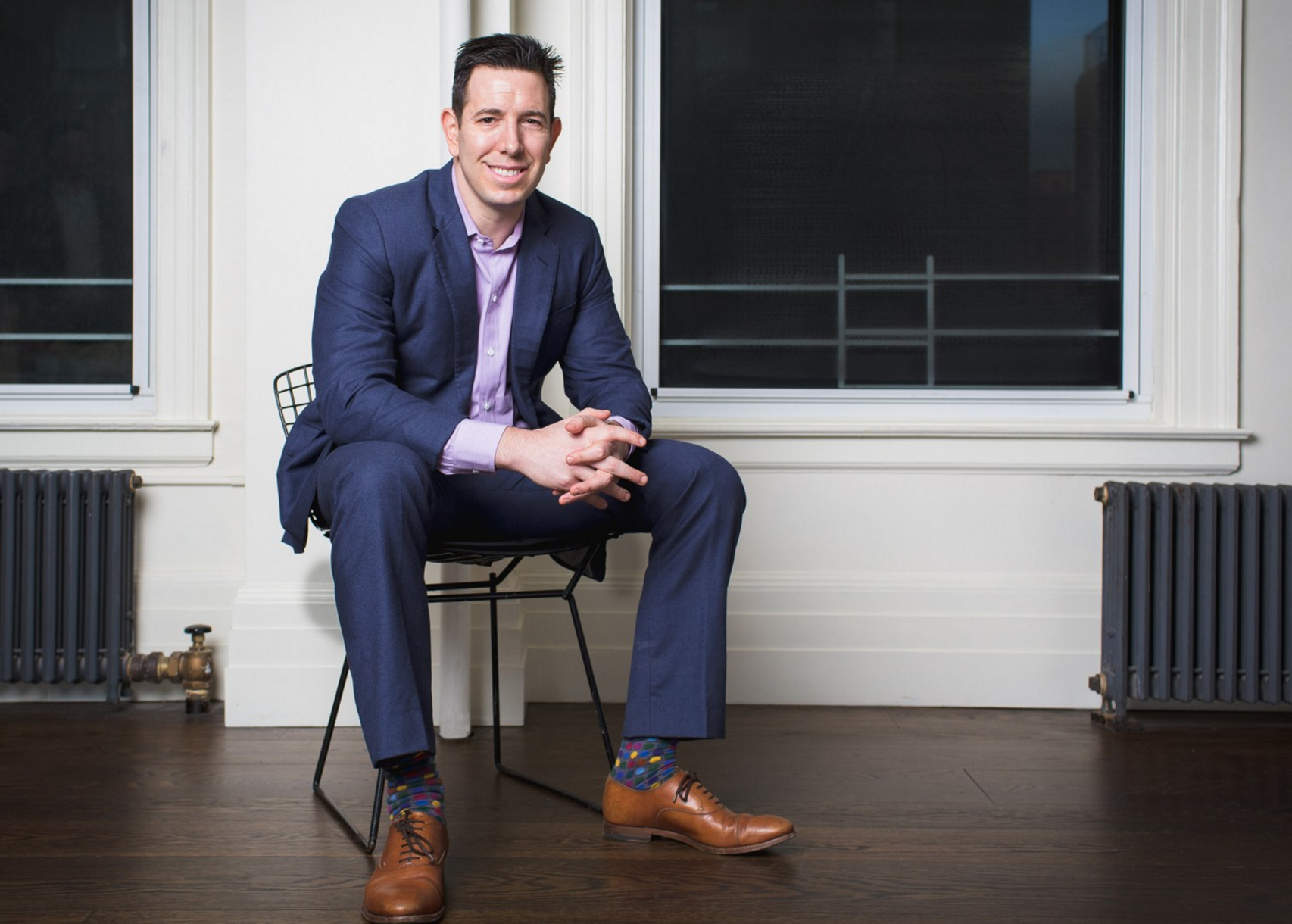
• Bain Capital Ventures Raises $600 Million (and Another Giant Fund is Born)

    Screen Shot 2016-07-09 at 8.13.34 AMIt’s starting to happen like clockwork.

    Firms are closing new funds almost exactly 24 months to the date from their last fund closing. The newest example? Bain Capital Ventures (BCV), which this morning announced a new, $600 million fund.

    It last closed two funds — a $650 million early-stage vehicle, and a $200 million co-investment fund to back maturing BCV investments — in June 2014.

    Other venture firms to close fast follow-on funds this year include Accel Partners, Andreessen Horowitz, Founders Fund, Lightspeed Venture Partners, Kleiner Perkins Caufield & Byers and General Catalyst Partners.

    BCV is the venture arm of the private equity behemoth Bain Capital, which was founded in 1984. The 15-year-old unit opened its first Bay Area office five years ago, planting a flag in Palo Alto; soon, it’s moving into an even bigger office in San Francisco.

    It has eight managing directors — including Ajay Agarwal, who leads its West Coast team — and one partner. According to Agarwal, who joined BCV 13 years ago, it used to be that “90 percent of our team was on the East Coast, in Boston and New York, and 10 percent was here, but it’s about 50/50 at this point.”

    BCV primarily backs enterprise-focused software companies, though it invests “opportunistically” in consumer-facing businesses, too, says Agarwal. Two examples are Rent the Runway and Jet.com.

    The firm says that half of what it does is early stage and the other half is growth stage. It also says it’s run very separately from Bain Capital, though Agarwal has told us in the past that “those connections into companies [from Bain’s broader network] is massive.” When the robotics company Kiva had “six terms sheets and was trying to determine who to pick,” he’d said, “we introduced the company to the head of distribution at Staples.” It helped seal the deal. (Kiva went on to sell to Amazon in 2012 for $775 million.)

    BCV’s newest early-stage fund is slightly smaller than its last. Asked about that, the firm says it targeted what it thinks is the “appropriate fund size for our strategy in the current market environment.”

    Asked why it didn’t raise another co-investment vehicle this time around, it says it still has capital to deploy from that $200 million fund it closed it 2014. It also said it isn’t quite done investing its previous early-stage fund.

    That’s not uncommon either, these days.

    As notes an institutional investor at a university endowment with whom we spoke recently, “Every one of our GPs has come back in the last 12 months, with the exception of one guy. VCs are accelerating their fundraising partly because they have nice marks and want to get ahead of any market cyclicality.” (Read: downturn.)

    “Partly, too, they see their GP brethren coming in and they know that [the institutional investors who fund venture firms] only have so many dollars. And you want to be at the front of the queue, not the back of it.”

    More here.

  • StrictlyVC: July 7, 2016

    It’s Thursday, woot!

    —–

    Top News in the A.M.

    Apple just dropped to fifth place in China’s smartphone market.

    —–

    (Some) LPs Speak Up

    Venture capital used to be such an insular, under-the-radar industry that entrepreneur-investor Marc Andreessen has said that he’d never heard the term before arriving in the Bay Area in 1994. He’s hardly alone. It wasn’t until the mid- to late-1990s, during the dot.com boom, that the world became acquainted with what venture capitalists do. And it wasn’t until after venture capitalists Fred Wilson and Brad Feld began publishing insights about their work roughly 12 years ago that the art of VC blogging began to border on competitive sport.

    The exercise has paid off for many investors. Among those to actively raise their profiles (and presumably, increase their deal flow) through blogging are Jason Lemkin, whose new venture fund we covered here; Hunter Walk of Homebrew; and Mark Suster of Upfront Ventures. (CB Insights has a longer rundown of VC bloggers here.)

    Institutional investors, the money behind the VCs’ money, have not followed suit, though there’s reason to think the industry is thinking more about outreach at long last. Indeed, though these limited partners (LPs) have largely remained mum, not sharing much about their selection process, not blogging, and not talking publicly with reporters, a few signals suggest a change may be afoot, including recent feedback from one investor from a mid-size university endowment, who recently shared on background that he’s been asked to raise his profile.

    The reason, simply: competition. As you may have noticed, a smaller group of so-called top-tier venture funds now manages more of the money flowing into venture capital than ever before. Still, these firms can only responsibly manage so much, which puts pressure on LPs who want stakes in those venture funds.

    Perhaps because of uncertainty about the market, LPs are also less interested in brand-new funds right now than in the second or third funds of micro-venture firms that are starting to prove themselves. Forerunner Ventures, which has tripled the amount of money it is managing in the last four years, is just the latest example. These managers, too, can only make room for so many LPs.

    Then there’s foreign money. More specifically, there’s more of it than ever to compete with. Take Peakview,  which is the investment advisory arm of Shengjing Group and the largest global fund of funds in China. Its U.S.-based managing partner told this reporter in March that Peakview has millions of dollars to invest in U.S. venture firms. To curry favor with them, it’s promising to help their portfolio companies bridge networking gaps between the U.S. and China.

    More here.

    —–

    New Fundings

    BevSpot, a two-year-old, Boston-based software platform that enables mobile bar management, has raised $11 million in Series B funding led by earlier backer Bain Capital Ventures. The company has now raised $19 million altogether. BostInno has more here.

    Black Swan Data, a five-year-old, London-based data science startup that analyzes consumer behavior using public and private data, has raised £6.2 million ($8 million) in Series B funding led by Albion Ventures, with participation from Blackstone and Mitsui. TechCrunch has more here.

    Brillen.de, a four-year-old, Wildau, Germany-based online business that sells its own eyewear, has raised €45 million ($49 million) in its first round of funding from Technology Crossover Ventures. TechCrunch has more here.

    Light, a three-year-old, Palo Alto, Ca.-based computational photography startup, has raised $30 million in Series C funding led by GV. Forbes has more here.

    NextVR, a six-year-old, Laguna Beach, Ca.-based startup that develops and delivers video capture technology for live and recorded experience, has raised $20 million from a Chinese investment firm as a part of an upcoming Series B raise. The money is reportedly a quarter of the Series B round; Variety reported earlier this week that the company is looking to raise $80 million altogether, at an $800 million valuation. More here.

    Pixie, a five-year-old, Los Altos, Ca.-based company whose guitar-pick-like bluetooth beacons make it harder for users to lose their stuff, is raising a $25 million round of funding, according to a new SEC form that shows it has raised $16.6 million toward that end. According to CrunchBase, the company previously raised $6 million from investors, including Spark Capital and Cedar Fund. The Verge wrote about the company last year.

    Post-Quantum, a seven-year-old, U.K.-based company that has developed an encryption system designed to safeguard quantum computers from hackers, has raised £8 million ($10.3 million) in Series A funding from VMS Investment Group and AM Partners. TechCrunch has more here.

    Yuntongxun, a three-year-old, Beijing, China-based corporate cloud communications service company, has raised $70 million in Series C funding led by earlier backer Sequoia Capital, with participation from TBP Capital. TechCrunch has more here.

    Zingle, a six-year-old, Carlsbad, Ca.-based platform that enables businesses to communicate with customers via texting and other mobile messaging channels, has raised $3 million in equity, shows an SEC filing. Tnooz reported this past spring that the startup recently landed Hyatt as a client. More here.

    —–

    Exits

    Security giant Avast is acquiring fellow Czech-based antivirus software makerAVG for $25 per share in cash, in a transaction that will total around $1.3 billion. TechCrunch has more here.

    —–

    People

    Android co-creator and longtime GV general partner Rich Miner is leaving the investing unit to launch an education-focused company within Google, reports Fortune. Miner says he doesn’t know exactly what he’s building yet but it sounds like he already has the “big vision” of it in mind. A GV spokeswoman wrote us separately that though Miner will no longer be leading any deals for GV, he will “remain active with many of his board commitments.”

    Elon Musk is still duking it out with Fortune over whether Telsa should have disclosed sooner an investigation into a crash involving one of its cars. (See our column yesterday if you’re coming to this story late.)

    In a blog post this morning, Microsoft CEO Satya Nadella announced that long-time COO Kevin Turner is leaving after 11 years at the company. Meanwhile, Citadel Securities has announced this morning that Turner is joining as CEO. TechCrunch has more here.

    —–

    Essential Reads

    Germany’s digital entrepreneurs are not only convinced that London is finished but also believe they are poised to wrest its crown as Europe’s fintech center. The Financial Times has more here.

    Erm. Whoever acquires Yahoo might have to pay Mozilla annual payments of $375 million through 2019 if it doesn’t think the buyer is one it wants to work with. Recode has the story here.

    —–

    Detours

    What becomes of the brokenhearted’s stuff.

    Twenty beautiful modern staircases.

    The rise of hip-hop producer Mike Will.

    —–

    Retail Therapy

    BikeBlock. So simple, a monkey could use it.

  • (Some) LPs Speak Up

    IMG_1919 (1)Venture capital used to be such an insular, under-the-radar industry that entrepreneur-investor Marc Andreessen has said that he’d never heard the term before arriving in the Bay Area in 1994. He’s hardly alone. It wasn’t until the mid- to late-1990s, during the dot.com boom, that the world became acquainted with what venture capitalists do. And it wasn’t until after venture capitalists Fred Wilson and Brad Feld began publishing insights about their work roughly 12 years ago that the art of VC blogging began to border on competitive sport.

    The exercise has paid off for many investors. Among those to actively raise their profiles (and presumably, increase their deal flow) through blogging are Jason Lemkin, whose new venture fund we covered here; Hunter Walk of Homebrew; and Mark Suster of Upfront Ventures. (CB Insights has a longer rundown of VC bloggers here.)

    Institutional investors, the money behind the VCs’ money, have not followed suit, though there’s reason to think the industry is thinking more about outreach at long last. Indeed, though these limited partners (LPs) have largely remained mum, not sharing much about their selection process, not blogging, and not talking publicly with reporters, a few signals suggest a change may be afoot, including recent feedback from one investor from a mid-size university endowment, who recently shared on background that he’s been asked to raise his profile.

    The reason, simply: competition. As you may have noticed, a smaller group of so-called top-tier venture funds now manages more of the money flowing into venture capital than ever before. Still, these firms can only responsibly manage so much, which puts pressure on LPs who want stakes in those venture funds.

    Perhaps because of uncertainty about the market, LPs are also less interested in brand-new funds right now than in the second or third funds of micro-venture firms that are starting to prove themselves. Forerunner Ventures, which has tripled the amount of money it is managing in the last four years, is just the latest example. These managers, too, can only make room for so many LPs.

    Then there’s foreign money. More specifically, there’s more of it than ever to compete with. Take Peakview,  which is the investment advisory arm of Shengjing Group and the largest global fund of funds in China. Its U.S.-based managing partner told this reporter in March that Peakview has millions of dollars to invest in U.S. venture firms. To curry favor with them, it’s promising to help their portfolio companies bridge networking gaps between the U.S. and China.

    More here.

  • StrictlyVC: July 6, 2016

    Happy Wednesday, everyone!

    Quick mention for those of you who’ve been in and out on vacation: On September 29, a Thursday night, at the glass-lined offices of SurveyMonkey in Palo Alto, we’re hosting our fifth and newest StrictlyVC INSIDER event, and it’s going to be great. Featured guests include the inimitable Marc Andreessen, along with SurveyMonkey CEO Zander Lurie, who will update us on the unicorn company and where it goes from here. We’ll also be announcing a third interview that you won’t want to miss. Seating is limited and many spots have been snapped up by readers already, so don’t wait too long to nab yours.

    Much thanks to our wonderful partners in the evening, without whom we couldn’t host these things. They include the young, early-stage venture firm Bolt; Ballou PR, to which many startups (and VCs) have turned to raise their profile in Europe; and Mattermark, which organizes and sells information about a wide swath of startups and, increasingly, other businesses.

    —–

    Top News in the A.M.

    Twitter is streaming Wimbledon today.

    —–

    Tesla Says It Told Government of Autopilot Crash Ahead of Stock Sale

    Tesla says it told regulators about the May 7th crash involving one of its electric cars in self-driving Autopilot mode nine days after the incident, adding that there was nothing unusual in either the delay or its decision to keep quiet about the incident before a federal investigation was publicly announced last Thursday.

    Tesla says the company was informed of the accident “shortly” after it took place.

    Tesla’s statement, issued late this afternoon, seems to be a direct response to a Fortune article published earlier today that notes the enormous stock sale that Tesla announced on May 18. States the Fortune piece:

    “On May 18, eleven days after [Tesla owner Joshua] Brown died, Tesla and CEO Elon Musk, in combination (roughly three parts Tesla, one part Musk), sold more than $2 billion of Tesla stock in a public offering at a price of $215 per share—and did it without ever having released a word about the crash.

    “To put things baldly, Tesla and Musk did not disclose the very material fact that a man had died while using an auto-pilot technology that Tesla had marketed vigorously as safe and important to its customers.”

    When Fortune sought comment from Musk, he first replied that he didn’t think the fact of the crash was “material to the value of Tesla” and therefore did not need to be disclosed at the time of Tesla’s stock sale. He reportedly continued, via email to Fortune:

    “Indeed, if anyone bothered to do the math (obviously, you did not) they would realize that of the over 1M auto deaths per year worldwide, approximately half a million people would have been saved if the Tesla autopilot was universally available. Please, take 5 mins and do the bloody math before you write an article that misleads the public.”

    In this afternoon’s statement, Tesla said it had disclosed the incident to the government by May 16.

    Asked by Reuters why Tesla didn’t also disclose the accident to the public before that share sale, the company sent the outlet the following statement:

    “Tesla does not find it necessary, nor does any automaker, to share the details of every accident that occur in a Tesla vehicle. More than a million people die globally every year in car accidents, but automakers do not disclose each of these accidents to investors, let alone before those investigations are complete and without regard to what the results of those investigations end up being.”

    More here.

    —–

    New Fundings

    Darktrace, a three-year-old, London-based company that makes enterprise cybersecurity software, has raised $65 million in growth equity funding led by KKR, with participation from TenEleven Ventures, SoftBank, and return backer Summit Partners. TechCrunch has more here.

    Homee, a nearly year-old,  L.A.-based company whose mobile app helps users design rooms for free, has raised $5 million in Series A funding from Founders Fund and Tinder CEO Sean Rad. TechCrunch has more here.

    KisanHub, a four-year-old, Cambridge, U.K.-based enterprise farming platform that connects agronomic and operational data to enable smarter decision-making, has raised $1 million in seed funding led by Notion Capital. TechCrunch has more here.

    Service Partner One, a year-old, Berlin-based startup that’s trying to build a kind of office operating system for office managers, has raised $10 million in Series A funding led by EQT Ventures, with participation from Earlybird Venture Capital, Target Global, Rheingau Founders, Ringier Digital Ventures, and Vito Ventures. TechCrunch has more here.

    StockTwits, an eight-year-old, San Diego-based real-time financial communications platform for the financial and investing community, has raised $2 million in new funding led by Social Leverage, a venture fund cofounded by StockTwits founder Howard Lindzon. The company has also just announced that Ian Rosen, co-founder of Even Financial and a former general manager at MarketWatch, is becoming CEO, as Lindzon becomes executive chairman of the company. TechCrunch has more here.

    Twistlock, a 1.5-year-old, San Francisco-based company that makes enterprise security software for virtual containers, has raised $10 million in Series A funding led by TenEleven Ventures, with participation from Rally Ventures, an unnamed strategic investor, and return backer YL Ventures. GeekTime hasmore here.

    Veriflow, a three-year-old, San Jose, Ca.-based network breach and outage prevention software company, has raised $8.2 million in Series A funding led by Menlo Ventures, with participation from earlier backer New Enterprise Associates. SDX Central has more here.

    —–

    New Funds

    Akkadian Ventures, a San Francisco-based firm that buys shares of privately owned startups from entrepreneurs, angel investors, and venture capital firms that are looking to sell a portion of their holdings, is raising a fourth fund, shows an SEC filing that doesn’t list a target. The firm closed its third fund with $74 million in October 2014. More here.

    Forerunner Ventures, an early-stage, San Francisco-based venture firm that’s known as an e-commerce specialist, has closed its third fund with $122 million, shows an SEC filing. Forerunner’s second fund, which held its first close in 2012, was capped at $75 million, says Fortune. More here.

    —–

    Exits

    Alibaba has acquired Wandoujia, a Chinese app store for Android devices, for a reported $200 million. Wandoujia was reportedly valued at more than $1 billion in January 2014 when it raised $120 million in funding led by SoftBank. But TechCrunch notes that “increased competition from carrier-run app stores and rivals like 91 Wireless and Qihoo 360, not to mention reports of internal conflict, appear to have impacted its development over the past two years.” More here.

    Google has acquired Moodstocks, a startup based out of Paris that develops machine-learning based image recognition technology for smartphones. Terms of the deal aren’t being disclosed. It’s not clear how much Moodstocks had raised, notes TechCrunch. Any related data has been scrubbed from CrunchBase, though TechCrunch reported in 2010 that Moodstocks had raised $500,000 in seed funding from European investors. More here.

    SGN, an L.A.-based gaming company led by ex-MySpace CEO Chris DeWolfe, has acquired TinyCo, a San Francisco-based mobile game studio. Terms of the deal weren’t disclosed.  According to CrunchBase, TinyCo raised $38 million in funding from investors, including Andreessen Horowitz, Pinnacle Ventures, and SV Angel. The Wrap has more here.

    —–

    People

    Bret Taylor, best known as the longtime CTO of Facebook, has joined the board of Twitter. More here.

    Zenefits may have dramatically readjusted its valuation (from $4.5 billion to $2 billion), but an analysis by The Information suggests that its Series A investors are still currently sitting on a none-too-shabby paper return of 1,800 percent. More here. (Subscribers only.)

    —–

    Data

    Primary Venture Partners has taken a look at second-quarter seed activity in New York City. You can check it out here if you’re interested in what’s up and coming.

    In separate news you can hopefully use, Mergermarket has just released its global M&A roundup report for the technology, media and telecom (TMT) sector for the first half of this year. You can check it out here.

    —–

    Essential Reads

    Snapchat just rolled out a way of saving and sharing old snaps in a private archive inside the main app. More here.

    —–

    Detours

    What. A 61-year-old Canadian man survived an attack by a 300-pound mother black bear by punching it in the face. (H/T: Significant Digits.) More here.

    How Stephen Colbert met his wife.

    Selfie-elbow.

    —–

    Retail Therapy

    Catastrophe.” Have you seen it? It’s so good. (More here.)

  • Tesla Says It Told Government of Autopilot Crash Before Stock Sale

    Tesla MotorsTesla says it told regulators about the May 7th crash involving one of its electric cars in self-driving Autopilot mode nine days after the incident, adding that there was nothing unusual in either the delay or its decision to keep quiet about the incident before a federal investigation was publicly announced last Thursday.

    Tesla says the company was informed of the accident “shortly” after it took place.

    Tesla’s statement, issued late this afternoon, seems to be a direct response to a Fortune article published earlier today that notes the enormous stock sale that Tesla announced on May 18.

    On May 18, eleven days after [Tesla owner Joshua] Brown died, Tesla and CEO Elon Musk, in combination (roughly three parts Tesla, one part Musk), sold more than $2 billion of Tesla stock in a public offering at a price of $215 per share—and did it without ever having released a word about the crash.

    To put things baldly, Tesla and Musk did not disclose the very material fact that a man had died while using an auto-pilot technology that Tesla had marketed vigorously as safe and important to its customers.

    When Fortune sought comment from Musk, he first replied that he didn’t think the fact of the crash was “material to the value of Tesla” and therefore did not need to be disclosed at the time of Tesla’s stock sale. He reportedly continued, via email to Fortune:

    Indeed, if anyone bothered to do the math (obviously, you did not) they would realize that of the over 1M auto deaths per year worldwide, approximately half a million people would have been saved if the Tesla autopilot was universally available. Please, take 5 mins and do the bloody math before you write an article that misleads the public.

    In this afternoon’s statement, Tesla said it had disclosed the incident to the government by May 16.

    Asked by Reuters why Tesla didn’t also disclose the accident to the public before that share sale, the company sent the outlet the following statement:

    Tesla does not find it necessary, nor does any automaker, to share the details of every accident that occur in a Tesla vehicle. More than a million people die globally every year in car accidents, but automakers do not disclose each of these accidents to investors, let alone before those investigations are complete and without regard to what the results of those investigations end up being.

    More here.

  • StrictlyVC: July 5, 2016

    And we are back! Hope you had a terrific holiday weekend, everyone!

    —–

    Top News in the A.M.

    Late last night, NASA‘s Juno spacecraft finally reached Jupiter, five years after the probe left Earth. More here.

    The latest Yahoo offers are expected tomorrow, with the final round expected in two weeks. More here.

    —–

    Why That Google Capital Deal Could Mean More PIPEs

    Last Wednesday, Google Capital ventured into the world of investing in publicly traded companies, announcing it has backed Care.com, a platform that connects people with caregivers which went public in early 2014.

    With Google Capital investing $46.35 million, it became Care.com’s single largest shareholder, according to The New York Times. The deal also sent nine-year-old Care.com’s shares soaring. On the day of the announcement, Care.com was valued at $278 million; by the end of trading on Friday, the company’s market cap had reached $508 million.

    It might have seemed interesting, if unremarkable, to some industry watchers. Others, however, think the deal may well usher in a new era of private investment in publicly equities, or PIPE deals, despite their checkered history.

    Those who’ve been around for a boom and bust (or two) are already familiar with them. PIPE deals became increasingly attractive in the aftermath of the late 1990s tech bubble, when the public market shut for tech companies, stranding not only ambitious startups hoping to IPO but publicly traded outfits, too.

    Faced with few options, some of those cash-strapped companies turned to outside investors like venture investors and hedge funds. In return for capital, the companies typically provided their public shares at a discount — along with the promise that if their shares were to fall in value, these new investors would be provided more shares to make up for their losses.

    In some cases, things worked out well. Phil Sanderson, today a managing director at IDG Ventures, was working as a partner at Walden Venture Capital at the time and says he led two investments in publicly traded companies that provided quick, meaningful returns to the firm. One of those bets was on VitalStream, a content delivery network that was later acquired; the other was the IT management company Niku, also acquired.

    Sanderson says the two companies produced a “3x to 5 x return in a two- to three-year period,” and he credits those returns with approaching both firms with a VC-like mentality. “I’d join the board, bring in sales, help recruit employees. I would also communicate to analysts I knew about the company, and I’d be out there talking with hedge funds, getting them to buy and build positions in the stock. It was a lot of work but it paid off.”

    Other companies weren’t so lucky.

    More here.

    —–

    New Fundings

    Adents, a nine-year-old, Paris, France-based serialization and traceability software specialist, has raised €12 million ($13.4 million) in funding from earlier backers NAXICAP Partners, Omnes Capital and CapHorn Invest. More here.

    Echobox, a three-year-old, London-based service that helps publishers better understand viral content and provides suggestions on which articles to share on social networks at specific times, has raised $3.4 million in new funding. The round was led by Mangrove Capital Partners, with participation from Saul and Robin Klein’s LocalGlobe. TechCrunch has more here.

    HourlyNerd, a three-year-old, Boston, Ma.-based online platform that connects small businesses needing expertise with MBAs who can help them, has raised $22 million in Series C funding funding led by General Catalyst Partners, with participation from Highland Capital Partners, GE Ventures, Mark CubanGreylock Partners, and Bob Doris of Accanto Partners. The company has now raised $33 million altogether. More here.

    Instabridge, a 3.5-year-old, Stockholm, Sweden-based Wi-Fi sharing community and mobile app, has raised $1 million in new funding led by Draper Associates, with participation from earlier backer Balderton Capital. TechCrunch has more here.

    Natural Cycles, a three-year-old, Nordic startup that bills itself as a fertility tracking service, has raised $6 million in Series A funding led by Bonnier Media Growth, the venture arm of the Swedish media business. Earlier backers Sunstone and e.ventures also joined the round. The company has now raised $7.5 million altogether. TechCrunch has more here.

    NightBalance, a six-year-old Delft, The Netherlands-based that makes a device that’s worn around the upper torso to address sleep apnea (it nudges wearers into different sleep positions in the night), has raised €12.5 million ($13.9 million) in Series B funding co-led by Inkef Capital and Gilde Healthcare Partners. Earlier backers Thuja Capital, Health Innovation Fund, and Van Herk Ventures also joined the round. More here.

    NeoGrowth, a 5.5-year-old, Mumbai, India-based fintech startup, has raised $35 million in new funding co-led by IIFL Asset Management and earlier backer Accion Frontier Inclusion Fund. Other earlier backers, includingOmidyar Network, Aspada Investments, and Khosla Impact, also participated. Livemint has more here.

    Network Locum, a five-year-old, London-based healthcare startup whose staffing platform and workplace management software targets the U.K.’s National Health Service (NHS), has raised $7 million in Series B funding led by BGF Ventures. TechCrunch has more here.

    —–

    IPOs

    Foxconn, which assembles most of Apple’s iPhones, has filed for an IPO of its cable and connector unit in Hong Kong that could raise up to $1 billion. The WSJ has more here.

    —–

    People

    Richard Boyle has joined Canaan Partners as a partner. Boyle was previously chairman and CEO of LoopNet, before it was acquired several years ago.

    Former Facebook employee Antonio García Martinez (who worked for the company for less than two years) has published a score-settling book dedicated to “all my enemies.” He reportedly compares Facebook’s oppressive work culture to North Korea.

    The Chinese billionaire who wants to out-Tesla Tesla.

    —–

    Data

    Twelve venture-backed IPOs raised $893.9 million in the second quarter of this year, says Thomson Reuters and the NVCA. That’s a 56 percent increase by dollars and a 100(!) percent increase by number of offerings compared with the first quarter. Nine of the quarter’s offerings were life sciences IPOs. Eleven were U.S.-based companies. More here.

    —–

    Essential Reads

    Inside Alphabet’s money-spinning, terrorist-foiling, gigabit Wi-Fi kiosks.

    Much to teenagers’ chagrin, Snapchat is catching on with the olds, says the WSJ.

    Employers and start-ups are testing more ways to give employees faster access to their wages.

    —–

    Detours

    How to raise brilliant children, according to science.

    Why ATMs at the bar or corner store could soon go away.

    Garbage Box.

    —–

    Retail Therapy

    Cookies are coming.

  • Why That Google Capital Deal Could Mean More PIPEs

    Conceptual 3d abstract illustration.
    Conceptual 3d abstract illustration.

    Last Wednesday, Google Capital ventured into the world of investing in publicly traded companies, announcing it has backed Care.com, a platform that connects people with caregivers which went public in early 2014.

    With Google Capital investing $46.35 million, it became Care.com’s single largest shareholder, according to The New York Times. The deal also sent nine-year-old Care.com’s shares soaring. On the day of the announcement, Care.com was valued at $278 million; by the end of trading on Friday, the company’s market cap had reached $508 million.

    It might have seemed interesting, if unremarkable, to some industry watchers. Others, however, think the deal may well usher in a new era of private investment in publicly equities, or PIPE deals, despite their checkered history.

    Those who’ve been around for a boom and bust (or two) are already familiar with them. PIPE deals became increasingly attractive in the aftermath of the late 1990s tech bubble, when the public market shut for tech companies, stranding not only ambitious startups hoping to IPO but publicly traded outfits, too.

    Faced with few options, some of those cash-strapped companies turned to outside investors like venture investors and hedge funds. In return for capital, the companies typically provided their public shares at a discount — along with the promise that if their shares were to fall in value, these new investors would be provided more shares to make up for their losses.

    In some cases, things worked out well. Phil Sanderson, today a managing director at IDG Ventures, was working as a partner at Walden Venture Capital at the time and says he led two investments in publicly traded companies that provided quick, meaningful returns to the firm. One of those bets was on VitalStream, a content delivery network that was later acquired; the other was the IT management company Niku, also acquired.

    Sanderson says the two companies produced a “3x to 5 x return in a two- to three-year period,” and he credits those returns with approaching both firms with a VC-like mentality. “I’d join the board, bring in sales, help recruit employees. I would also communicate to analysts I knew about the company, and I’d be out there talking with hedge funds, getting them to buy and build positions in the stock. It was a lot of work but it paid off.”

    Other companies weren’t so lucky.

    More here.

  • StrictlyVC: July 1, 2016

    Wowsa. It has been a comically busy day over here, but we did not forget about you! Happy Fourth of July weekend, everyone — see you back here Tuesday.:)

    —–

    Top News in the A.M.

    Zenefits, the HR software startup that replaced founder and CEO Parker Conrad last February over regulatory improprieties, has publicly announced a deal with its investors that gives some of them more of the company in exchange for their promise not to sue. The deal also sees the company’s valuation adjusted downward from $4.5 billion to $2 billion. After new CEO, David Sacks, announced the new deal, early investor Marc Andreessen tweeted his support, adding that his firm “did not threaten to sue, nor did we have any intention of suing.”

    —–

    Silicon Valley’s Favorite Fixer: Bradley Tusk

    If the producers of the next “World’s Most Interesting Man in the World” commercial were looking for a Silicon Valley type, a prime candidate might be Bradley Tusk, a 42-year-old New Yorker who advises companies such as FanDuel and Tesla that are disrupting highly regulated industries.

    Tusk made his bones in Silicon Valley through advising Uber, which paid him in equity for his services while still a Series A company, dramatically boosting Tusk’s net worth (he says he hasn’t sold any), and in the process, creating a model for his newest firm, Tusk Ventures.

    Right now, Tusk Ventures, founded less than a year ago, has a dozen clients. Most of the 30 staffers who work at the company come out of politics at “high levels,” says Tusk, and each helps two clients navigate their respective regulatory waters, such as keeping them up to date with a curated email that they receive by 7 a.m. every morning.

    His services come at a steep price: clients pay Tusk Ventures in equity and agree to sell him up to 10 percent of their company. (Tusk is raising a venture fund to ramp up his investing activities, though he declined to speak about any specifics at a dinner with reporters earlier this week. )

    Startups make room for Tusk in their cap table because of his connections. Tusk was formerly Michael Bloomberg’s campaign manager, helping him to get elected to an unprecedented third term as the mayor of New York City after convincing the New York City Council to extend the role’s term limits. (Tusk also worked with Bloomberg to explore a bid for the current U.S. presidential campaign. Although he claims he found a way for Bloomberg to win, Bloomberg apparently thought the solution was too complicated.)

    Another complementary business, seven-year- old Tusk Strategies, develops and runs political-style media campaigns for a host of Fortune 500 companies, including Google, Walmart, AT&T; media companies like AMC, NBC News, The Weather Channel; and institutions like Stanford.

    Somewhat astoundingly, Tusk oversees three other outfits, too: a casino management company called Ivory Gaming Group (it owns one casino in Fresno); Kronos Archives, a custom archives business for companies and individuals; and a family foundation focused on reducing hunger in the U.S.

    Did we mention he’s also trying to unseat current New York City Mayor Bill de Blasio in next year’s Democratic primary?

    Oisin Hanrahan, CEO of Handy — an online platform for booking household services, and a client of Tusk Ventures — jokes that the more clients Tusk takes on, the “earlier my morning emails seem to arrive.”

    More here.

    —–

    New Fundings

    Digi.me, a seven-year-old, London-based personal data aggregation and exchange platform, has raised $6.1 million in Series A funding led by Swiss Re. TechCrunch has more here.

    Everplans, a six-year-old, New York-based end-of-life company that invites users to create, share and store legal, financial and health information in one place so loved ones can later access it, has raised $6.4 million led by Mousse Partners. Other participants include Transamerica Ventures and RGAx, a subsidiary of Reinsurance Group of America. More here.

    Index, a four-year-old, San Francisco-based startup that makes retail software, has raised $19 million in Series B funding led by General Catalyst Partners. TechCrunch has more here.

    Revinate, a seven-year-old, San Francisco-based company that makes guest experience software for the hospitality industry, has raised $13 million, shows an SEC filing that shows a $15 million target. (H/T: Fortune.). Earlier backers include Tenaya Capital, Northgate Capital, Industry VenturesBenchmark, Formation 8 and Tao Capital Partners. More here.

    Spirometrix, a four-year-old, Pleasanton, Ca.-based company focused on the development and commercialization of breath analysis devices for applications in disease diagnosis and management, has raised $17.4 million in Series C funding led by Shanghai Fosun Pharmaceutical. Earlier backers NGK Spark Plug Co., South Valley Angels, Iconical, Ohio Innovation Foundation, and Carmen Innovation also joined the round. More here.

    Woven Digital, a six-year-old, Culver City, Ca.-based digital media and content company that caters to young men, has raised $18.5 million in Series B funding led by WPP Ventures, with participation from earlier backers Institutional Venture Partners and Advancit Capital. Variety has more here.

    Zoox, a two-year-old, Palo Alto, Ca.-based startup said to be building technology that could compete with Google’s self-driving cars and Cruise Automation, has raised $200 million at a $1 billion valuation, including from Lux Capital and DFJ. TechCrunch has more here.
    —–

    IPOs

    BioVentus, Durham, N.C.-based company that makes bone stimulation devices, has filed for a $150 million IPO. The company’s investors include Essex Woodlands Health Ventures, Smith & Nephew, Spindletop Healthcare Capital, Pantheon Global, Ampersand Capital and Alta Partners.

    —–

    People

    Hyperloop One co-founder and CTO Brogan BamBrogan is out at the company and former VP of engineering Josh Geigle will be taking over BamBrogan’s role as CTO. More here.

    The SEC is probing a range of transactions linked to Nikesh Arora, the Silicon Valley executive who recently resigned, suddenly, as president of SoftBank. More here.

    Senator Elizabeth Warren has lashed out at the tech industry in a new speech railing against consolidation and concentration in the American economy. More here.

    —–

    Essential Reads

    Apple is reportedly in talks to buy music streaming service Tidal.

    BMW has announced its first self-driving car  — a day after a fatality involving Tesla‘s Autopilot feature was confirmed.

    —–

    Detours

    Ah, Seal.

    Why buying organic groceries in Brooklyn can be a serious trial.

    —–

    Retail Therapy

    Office chair by Porsche. (Not a joke, probably?)

  • Silicon Valley’s Favorite Fixer: Bradley Tusk

    If the producers of the next “World’s Most Interesting Man in the World” commercial were looking for a Silicon Valley type, a prime candidate might be Bradley Tusk, a 42-year-old New Yorker who advises companies such as FanDuel and Tesla that are disrupting highly regulated industries.

    Tusk made his bones in Silicon Valley through advising Uber, which paid him in equity for his services while still a Series A company, dramatically boosting Tusk’s net worth (he says he hasn’t sold any), and in the process, creating a model for his newest firm, Tusk Ventures.

    Right now, Tusk Ventures, founded less than a year ago, has a dozen clients. Most of the 30 staffers who work at the company come out of politics at “high levels,” says Tusk, and each helps two clients navigate their respective regulatory waters, such as keeping them up to date with a curated email that they receive by 7 a.m. every morning.

    His services come at a steep price: clients pay Tusk Ventures in equity and agree to sell him up to 10 percent of their company. (Tusk is raising a venture fund to ramp up his investing activities, though he declined to speak about any specifics at a dinner with reporters earlier this week. )

    Startups make room for Tusk in their cap table because of his connections. Tusk was formerly Michael Bloomberg’s campaign manager, helping him to get elected to an unprecedented third term as the mayor of New York City after convincing the New York City Council to extend the role’s term limits. (Tusk also worked with Bloomberg to explore a bid for the current U.S. presidential campaign. Although he claims he found a way for Bloomberg to win, Bloomberg apparently thought the solution was too complicated.)

    Another complementary business, seven-year- old Tusk Strategies, develops and runs political-style media campaigns for a host of Fortune 500 companies, including Google, Walmart, AT&T; media companies like AMC, NBC News, The Weather Channel; and institutions like Stanford.

    Somewhat astoundingly, Tusk oversees three other outfits, too: a casino management company called Ivory Gaming Group (it owns one casino in Fresno); Kronos Archives, a custom archives business for companies and individuals; and a family foundation focused on reducing hunger in the U.S.

    Did we mention he’s also trying to unseat current New York City Mayor Bill de Blasio in next year’s Democratic primary?

    Oisin Hanrahan, CEO of Handy — an online platform for booking household services, and a client of Tusk Ventures — jokes that the more clients Tusk takes on, the “earlier my morning emails seem to arrive.”

    More here.

  • StrictlyVC: June 30, 2016

    Hi, everyone! Happy Thursday . . .

    ——

    Top News in the A.M.

    Oh, boy. Spanish officials raided Google‘s Madrid offices today in a tax probe, barely a month after the company had its headquarters in France searched on suspicion of tax evasion. Reuters has the story here.

    —–

    It’s Official: Kleiner Just Pulled Off a $1.4 Billion Fundraise

    So much for losing its mojo.

    Despite twists and turns in recent years that have sometimes rivaled those of a telenovela, and even with its most famous member, John Doerr, no longer a general partner, Kleiner Perkins has raised two new funds totaling $1.4 billion, show newly processed SEC filings.

    The firm’s digital growth fund — its third — has secured $1 billion in commitments. The capital will be managed by Mary Meeker, Ted Schlein, Mood Rowghani and Noah Knauf, who very recently joined Kleiner from Warburg Pincus.

    Kleiner’s newest (17th!) early-stage fund, meanwhile, has closed with $400 million in commitments. As you’ve read here recently, Kleiner’s early-stage team now features five general partners: Schlein, Mike Abbott, Eric Feng, Beth Seidenberg and Wen Hsieh.

    For those keeping track, in addition to Doerr, Randy Komisar has also stepped back as a general partner. Feng, who we interviewed recently, explained to us that Komisar is now largely coaching Kleiner’s current crop of GPs.

    —–

    New Fundings

    Care.com, a 10-year-old, publicly traded specialist in helping connect families and caregivers of all stripes, has a new investor; Google Capital said yesterday it has invested $46.35 million in the $278 million company, making it the single biggest shareholder. The New York Times has more here.

    Festicket, a four-year-old, London-based startup that lets users book music festival experiences, has raised $6.3 million in Series B funding. Lepe Partners led the round, with participation from existing investors Wellington PartnersPROfounders, and Playfair Capital. TechCrunch has more here.

    Jornaya, a five-year-old, Philadelphia, Pa.-based company that makes predictive intelligence tools to help consumer companies better understand their customers, has raised $10 million in Series B funding led by Edison Partners. Jornaya was formerly known as LeadiD. VentureBeat has more here.

    Kin Community, a five-year-old, L.A.-based web video company that both produces original content and works with a stable of top digital media creators, has raised $13.5 million in Series D funding led by earlier investor Emil Capital Partners. Other investors in the round include retail giant Tengelmann Group, the Australian firm Allure Media, and earlier investor Corus Entertainment, which is a Canadian TV company. The company has now raised $40.5 million altogether. The WSJ has more here.

    Meru Cabs, a nine-year-old, Mumbai, India-based cab service, has raised $25 million in funding from earlier investor Brand Capital. According to TechStory, the company is looking to raise another $75 million to close the round at $100 million. More here.

    Morphic Therapeutic, a year-old, Waltham, Ma.-based company that’s developing oral integrin therapies, has raised $51.5 million in Series A funding co-led by SR One and Pfizer Venture Investments. Other participants in the round include Omega Funds, AbbVie Ventures and return bacers Polaris Partners, T.A. Springer, Schrödinger and ShangPharma Investment Group.

    OpsGenie, a four-year-old, Falls Church, Va.-based company that makes IT alerting and on-call management software, has raised $10 million in Series A funding from Battery Ventures. More here.

    ProducePay, a 1.5-year-old, L.A.-based platform that helps farmers get paid in a timely manner for their crops, has raised $2.5 million in seed funding from Menlo Ventures, Arena Ventures, CoVenture, Red Bear Angels and Social Leverage. TechCrunch has more here.

    SmartRecruiters, a nearly three-year-old, San Francisco-based company that makes applicant tracking system and recruiting software, has raised $30 million in Series C funding led by Insight Venture Partners, with participation from Mayfield. More here.

    US HealthVest, a three-year-old, New York-based developer and operator of behavioral health facilities (that treat patients for psychiatric issues and substance abuse), has raised $50 million in Series B funding led by Oak HC/FT. Other participants in the round include earlier backers Polaris Partners, F-Prime Capital Partners and US HealthVest founder Richard Kresch. More here.
    —–

    New Funds

    Shasta Ventures is raising up to $300 million for a fifth fund according to a new SEC filing that lists managing director Jason Pressman and Rob Coneybeer (Coneybeer co-founded Shasta with fellow managing directors Tod Francis and Ravi Mohan in 2004; Pressman joined the following year). Shasta appears to be sticking with its knitting with its new fund. It saw an enormous return when its portfolio company Nest Labs sold to Google for $3.2 billion in early 2014. (Coneybeer talked with StrictlyVC here about how persistence paid off with that Nest bet.) Yet its newest fund is targeting the same amount on which the firm closed exactly two years ago. More here.

    —–

    Exits

    Move Loot, a three-year-old, San Francisco-based furniture re-sale marketplace, has shut down and sold its customer list to on-demand home services startup Handy for undisclosed terms. Move Loot had raised $21.8 million in funding, shows CrunchBase. Backers include Y Combinator, Google Ventures, Index Ventures, Great Oaks Venture Capital, Sherpa Ventures and Metamorphic Ventures. Handy has meanwhile raised $110 million from investors, shows CrunchBase. TechCrunch has more here.

    ——

    People

    Ayesha Curry, a chef and wife of basketball superstar Stephen Curry, has cooked up a new food delivery startup called Gather. If she has gathered (haha) capital from investors, she hasn’t announced it yet. More here.

    Oculus CEO Brendan Iribe had his Twitter account hacked Wednesday, with the hacker promptly announcing a new CEO for the virtual reality company. More here.

    ——

    Data

    We don’t know yet if Lyft is raising more money or looking to get acquired, but we do know it hired Qatalyst Partners, so CB Insights went ahead and analyzed who might buy the company and why.

    ——

    Essential Reads

    How China took center stage in Bitcoin’s civil war.

    Why Netflix should release its viewership data.

    Walmart is squaring off against Amazon with two-day delivery across the U.S.

    ——

    Detours

    Five ways to increase your intelligence.

    The “Trio to Rio.” For the first time, triplets head to the Olympics to compete.

    —–

    Retail Therapy

    hen house for high rollers.

StrictlyVC on Twitter