StrictlyVC, LLC
  • Home
  • Newsletter
  • Advertising
  • Events
  • Podcasts
  • About
    • About Connie
    • Mission
    • Code of Ethics
  • Contact
  • SkySafe Lands $3 Million to Disable Badly Behaving Drones

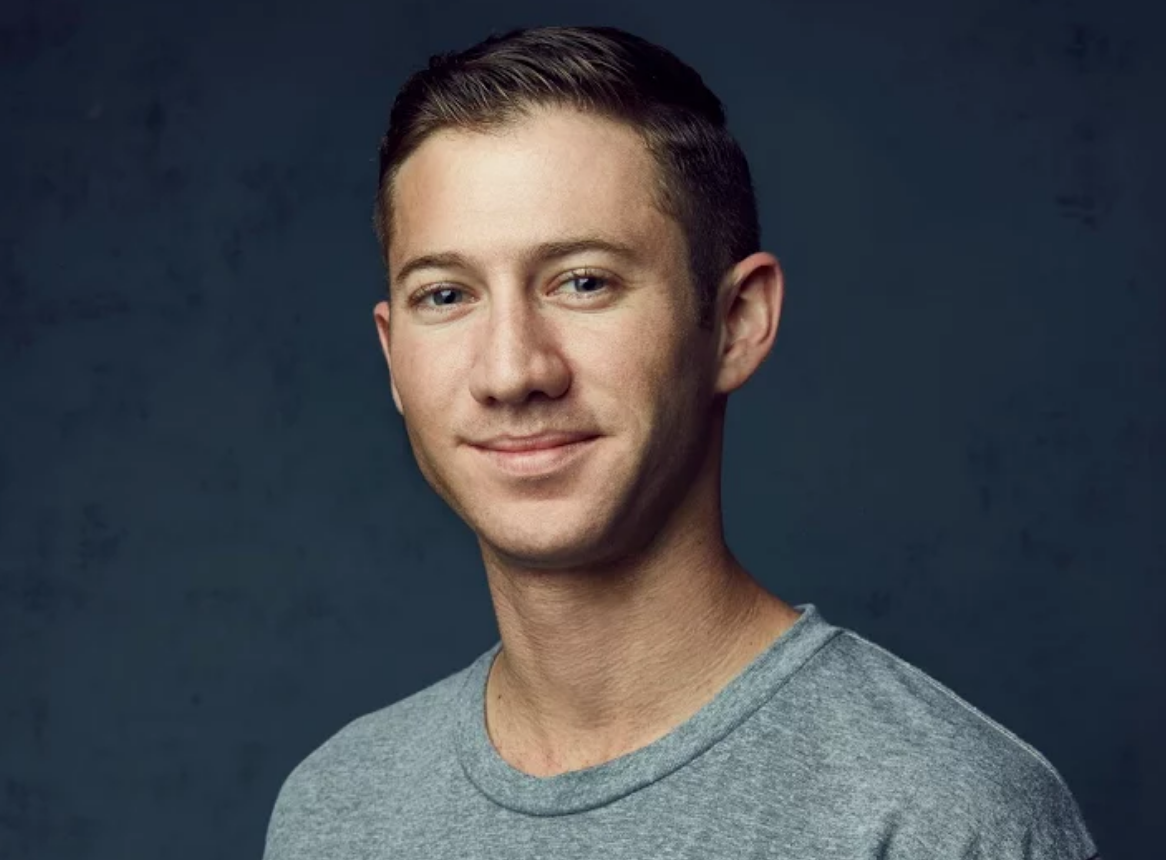
    Screen Shot 2016-04-19 at 12.56.31 PMSkySafe, a six-month-old, San Diego, Ca.-based company whose technology can disable drones that are flying where they shouldn’t, has raised $3 million in seed funding. Andreessen Horowitz led the round, with participation from Founder Collective, SV Angel, and BoxGroup.

    No doubt the company is serving a fast-growing need, particularly given the number of drones poised to wreak havoc on public spaces from sports arenas to airports. Consider the British Airways flight that was hit by a commercial drone as it approached Heathrow Airport on Sunday, or the World Cup skier nearly done in by a falling drone in December. The FAA estimates there will be 2.5 million drones sold in the  U.S. alone just this year.

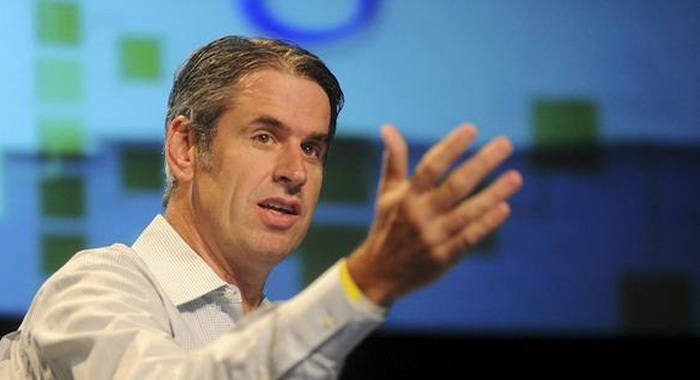
    “We’re very excited about a future where drones are used by consumers and businesses for all sorts of purposes, but to get there, drones need to be made extremely reliable and safe,” says venture capitalist Chris Dixon, who led the deal for Andreessen Horowitz.

    Dixon suggests SkySafe can ensure that drones don’t go rogue, largely via radio waves, which it uses to override a drone’s remote and take control of the aircraft. Perhaps so. What SkySafe is building certainly sounds less menacing than some of the other options to emerge recently, including an anti-drone laser and an anti-drone rifle. Unfortunately, for competitive reasons, the six-person company isn’t willing to dive much more deeply into how its tech works, as we learned when we talked yesterday with cofounder and CEO Grant Jordan. Our chat has been edited for length.

    SkySafe has four founders. What’s your background, and how did you come together?

    I graduated from MIT, then spent four years as an officer in the Air Force Research Lab testing anti-drone tech, where I got a lot of exposure to various ways that different groups have come up with for taking down small drones. After I finished my time there, I went to grad school at USCD for computer security, and I [connected with my cofounders] for a security company consulting firm that we founded called Somerset Recon. Between that security work and [my] drone work, we saw a growing threat in the drone space.

    What types of customers will you be trying to persuade to use SkySafe?

    Pretty much the entire space of public safety. Airports, prisons, stadiums, other event venues, border protection, critical infrastructure. The number of places that have seen incidents in the past year has grown tremendously.

    Would you characterize most of those incidents as accidents or otherwise?

    In the aviation industry, at airports, those look like accidents. But in prisons, there are no accidents. Those are drones that are trying to smuggle in weapons, drugs and other contraband. I wouldn’t classify what we’ve seen in stadiums as accidents, either. [Drone operators] might not mean any harm, but they’re going out of their way to fly into an area they aren’t supposed to be, and right now, there’s nothing an event venue can do about it.

    More here.

    Connie

    April 22, 2016
    Investment Opportunities
    Andreessen Horowitz, BoxGroup, SkySafe, SV ANgel
  • StrictlyVC: April 19, 2016

    Hi, everyone, happy Tuesday!

    We had a deliverability issue yesterday of indeterminate nature; if you missed the newsletter, it’s here.

    Looking forward to seeing some of you a little later today at the Bridging the Gender Gap event in San Francisco, where we’re moderating one of two discussions. Apparently, it’s overbooked at this point, but there are always people who don’t show up, so don’t let that stop you from swinging by if you’re in the neighborhood.

    —–

    Top News in the A.M.

    Yahoo is expected to report first-quarter results after the end of trading today. Here’s what to watch, says the WSJ.

    Bloomberg sees early warning signs of a recession in new U.S. jobs data.

    —–

    Longtime Facebook VP Joins Sequoia Capital

    Mike Vernal, a Facebook VP who has spent the last eight-plus years at the company, most recently leading its search, profile, local and developer platform product groups, is leaving the company to become a venture capitalist at Sequoia Capital.

    Before joining Facebook, Vernal spent nearly six years at Microsoft, first as a product manager and later as a development lead.

    The Harvard grad (two degrees) wrote in a tweet yesterday afternoon that “Facebook is an exceptional company with amazing people. Thank you to Mark and everyone at @facebook for the past eight years. I’ll miss you.”

    Vernal joins 10 other partners in Sequoia’s Menlo Park office.

    One of those partners is Bryan Schreier, who joined Sequoia in 2008 after being a senior director at Google. In an email provided to us by a Sequoia spokesman, Schreier writes, “You don’t recruit people like Mike. They choose you and we are thrilled to have him join.”

    Schreier says the firm got to know Vernal through his work fostering startups when he was leading Facebook’s platform initiatives. “His experience scaling engineering, product, and design teams at Facebook will be invaluable to Sequoia founders working to build similarly transformative companies.”

    Like all Sequoia partners, Vernal is expected to be something of a generalist, but it’s likely he’ll be focusing on consumer and developer tech to start.

    Sequoia recently parted ways with another longtime partner, Michael Goguen, when it was revealed that he was being accused of breach of contract in one of the more explosive lawsuits to hit Silicon Valley in a while.

    More here.

    —–

    New Funds

    Betaout, a three-year-old, New York-based marketing automation platform for e-commerce companies, has raised $1.5 million in new seed funding that brings the amount of capital raised by the company to $2 million. Its investors includeBeenext, Stanford Angels, Letsventure, Chennai Angels, Hyderabad Angels, Mumbai Angels, and former Match Group CEO Sam Yagan. TechCrunch has more here.

    Curbside, a three-year-old, Palo Alto, Ca.-based company whose app searches real-time local inventory across retailers and alert stores when a customer is arriving for a pickup, has received an undisclosed amount of funding from the drugs store giant CVS. TechCrunch has more here.

    Diamanti, a 14-month-old, San Jose, Ca.-based data center infrastructure startup led by former Cisco exec Jeff Chou, has raised $12.5 million in Series A funding from Goldman Sachs, CRV, DFJ, and GSR Ventures. TechCrunch hasmore here.

    FusionOps, an 11-year-old, Sunnyvale, Ca.-based company that makes a supply chain analytics tool, has raised $25 million in Series C funding led by the Canadian firm Georgian Partners, with particpation from earlier backers New Enterprise Associates and FusionOps Chairman Prabhu Goel. More here.

    Gradescope, a two-year-old, Berkeley, Ca.-based cloud-based educational grading platform, has raised $2.6 million in seed funding from Freestyle Capital, Bloomberg Beta, The House Fund, and Reach Capital, with additional participation from earlier backer K9 Ventures. EdSurge has more here.

    HomeLight, a five-year-old, San Francisco-based platform that matches homebuyers with real estate agents, has raised $11 million in Series A funding led by Zeev Ventures, with participation from Dovi Frances of SGVC, Bullpen Capital, Montage Ventures, Krillion Ventures, Innovation Endeavors, Oren Dobronsky, and Yariv Davidovich. To date, the company has raised $15 million in funding. Vator has more here.

    Insightly, a seven-year-old, San Francisco-based online CRM application for small businesses, has raised $25 million in Series C funding led by Scott Bommer, venture investor and former founder of SAB Capital, with participation from existing investors Emergence Capital Partners, Cloud Apps Capital Partners and Sozo Ventures. The company has now raised more than $40 million altogether. More here.

    NestAway, a 15-month-old, Bangalore, India-based real estate startup that’s focused on furnished homes in cities, has raised $30 million in Series C funding led by Tiger Global Management, with participation from DST Global founderYuri Milner, IDG Ventures India, and Flipkart president Sujeet Kumar. The round brings NestAway’s total funding to about $43.2 million, according to CrunchBase. TechCrunch has more here.

    Ninja Van, a two-year-old, Singapore-based plug-and-play logistics partner that gives e-commerce companies reach to customers across Southeast Asia, has raised $30 million in Series B funding led by the Abraaj Group, with participation from B Capital Group, YJ Capital, and earlier backer Monk’s Hill Ventures. TechCrunch has more here.

    Proteus Digital Health, a 16-year-old, Redwood City, Ca.-based company whose sensor-enabled pills aim to help patients adhere to their medication regimens, has raised $50 million in Series H funding from undisclosed investors. Earlier backers in the company include Essex Woodlands, Novartis AG, and Medtronic. More here.

    Rinse, a three-year-old, San Francisco-based startup that picks up and cleans anything in its customers’ closets, has raised $6 million in Series A funding led by Javelin Venture Partners, with participation from Arena Ventures, CAA Ventures, Accelerator Ventures, Expansion VC, Structure Capital, Otter Rock Capital and Base Ventures. TechCrunch has more here.

    Sharper Shape, a three-year-old, Helsinki, Finland-based that makes software for automated drone-based asset inspections, has raised $3.25 million in funding led by Straightforward Capital, with participation from the consulting firm Partners in Performance. FinSMEs has more here.

    TapInfluence, a seven-year-old, Boulder, Co.-based platform that connects brands with influencer marketers to promote their content online, has raised $14 million in Series B-1 funding led by Noro-Moseley Partners, with participation from Knollwood Investment Advisory and earlier backers Grotech Ventures and Access Venture Partners. Venture Capital Dispatch has more here.

    Threat Stack, a 3.5-year-old, Boston-based maker of cloud security and compliance management software, has raised $15.3 million in Series B funding led by Scale Venture Partners, with participation from all existing investors, including Accomplice and .406 Ventures. The company has now raised more than $26 million altogether. More here.

    TrapX Security, a six-year-old, San Mateo, Ca.-based cyber security company, has raised $5 million from Strategic Cyber Ventures, bringing its total Series B round to $14 million. Earlier investors in the round include Intel Capital, Liberty Israel Venture Fund, BRM Group and Opus Capital. More here.

    Waltz Networks, a 2.5-year-old, San Francisco-based startup focused on automatic real-time network control, has raised $6.75 million in Series A funding from New Enterprise Associates, along with another $1.4 million in National Science Foundation grants. FinSMEs has more here.

    —–

    News Funds

    Biomatics Capital Partners has been launched as a Seattle-based venture capital firm by Boris Nikolic, a former Bill & Melinda Gates Foundation advisor, and Julie Sunderland, formerly director of program-related investments for the Gates Foundation. According to an SEC filing first flagged by VentureWire, the new firm is targeting up to $150 million for its debut fund.

    —–

    Exits

    Tyba, a Madrid, Spain-based recruitment platform that aims to help companies more efficiently hire university and college graduates and which had raised $4 million from investors, has been acquired for undisclosed terms by the six-year-old, Denmark-based career network Graduateland. Tyba appears to be acquiring the tech but not the team. TechCrunch has more here.

    Verizon Wireless and Hearst Corp. are reportedly acquiring Complex Media, a  “video-first” lifestyle site that’s focused on pop-culture trends and general entertainment. Terms of the deal aren’t being disclosed. Complex Media has raised more than $60 million, including from Hearst. The WSJ has the story here.

    —–

    People

    A growing number of Alibaba executives are choosing to retire in New Zealand; founder Jack Ma is reportedly looking to buy a house there, too.

    Elon Musk earns just $40,000 in annual salary from Tesla Motors, but he’s fast working his way toward a $1.6 billion payday. Bloomberg explains how here.

    Apple has reportedly hired former Tesla VP of Vehicle Engineering Chris Porritt for a “special [car] project.” Electrek has the story here.

    Investors Chris Sacca sees a downturn coming, he tells Vanity Fair. (Like Bill Gurley, with whom we spoke last week, Sacca also hints that fund managers are racing to raise money before their paper returns evaporate.)

    —–

    Data

    The first comprehensive study on women in venture capital and their impact on female founders, courtesy of CrunchBase. There’s a lot of interesting information here, including that: 7 percent of the partners are women at the top 100 venture firms; women hold 22 percent of the roles on the investment team at the associate, vice president and principal levels; and 16 percent of the venture and micro-venture firms founded in the last three years feature at least one female founder.

    —–

    Essential Reads

    Wired has more today on Magic Leap, the world’s most secretive startup.

    Theranos, the embattled blood-testing laboratory, says federal officials are now conducting a criminal investigation into the company, adding to a series of questions from officials about its inner workings. The New York Times has more here.

    Even Uber can’t quite figure out how to make quick food delivery add up. Yesterday, it announced that it’s killing off its instant food delivery option in New York City.

    —–

    Detours

    Ascension Island, where nothing makes sense.

    The best undergraduate business schools of 2016.

    —–

    Retail Therapy

    Restocks, when you need those Yeezys now.

    Connie

    April 22, 2016
    Morning Summary
  • Longtime Facebook VP Mike Vernal Joins Sequoia Capital

    Screen Shot 2016-04-18 at 3.11.56 PMMike Vernal, a Facebook VP who has spent the last eight-plus years at the company, most recently leading its search, profile, local and developer platform product groups, is leaving the company to become a venture capitalist at Sequoia Capital.

    Before joining Facebook, Vernal spent nearly six years at Microsoft, first as a product manager and later as a development lead.

    The Harvard grad (two degrees) wrote in a tweet yesterday afternoon that “Facebook is an exceptional company with amazing people. Thank you to Mark and everyone at @facebook for the past eight years. I’ll miss you.”

    Vernal joins 10 other partners in Sequoia’s Menlo Park office.

    One of those partners is Bryan Schreier, who joined Sequoia in 2008 after being a senior director at Google. In an email provided to us by a Sequoia spokesman, Schreier writes, “You don’t recruit people like Mike. They choose you and we are thrilled to have him join.”

    Schreier says the firm got to know Vernal through his work fostering startups when he was leading Facebook’s platform initiatives. “His experience scaling engineering, product, and design teams at Facebook will be invaluable to Sequoia founders working to build similarly transformative companies.”

    Like all Sequoia partners, Vernal is expected to be something of a generalist, but it’s likely he’ll be focusing on consumer and developer tech to start.

    Sequoia recently parted ways with another longtime partner, Michael Goguen, when it was revealed that he was being accused of breach of contract in one of the more explosive lawsuits to hit Silicon Valley in a while.

    More here.

    Connie

    April 22, 2016
    Firm Dynamics
    Mike Vernal, Sequoia Capital
  • StrictlyVC: April 18, 2016

    Hi, welcome back, everyone.:)

    —–

    Top News in the A.M.

    Silicon Valley’s legendary business coach, Bill Campbell, has passed away. Recode has more here.

    —–

    Meet Jeremy Fiance, UC Berkeley’s 24-Year-Old Superconnector

    Most 24-year-olds are still figuring out how their careers will take shape. Jeremy Fiance, a recent UC Berkeley graduate, knows he wants to be a venture capitalist. He isn’t waiting to rise through the ranks of someone else’s firm, either.

    Instead, Fiance is today taking the wraps off his new firm, The House Fund, which just closed its debut vehicle with $6 million in capital commitments from an array of individual investors, many of them venture capitalists.

    It’s easy to understand their interest in Fiance. He’s sharp. (He graduated with an interdisciplinary studies degree, having studied business, engineering, and design). He’s media savvy. (Within hours of our phone conversation last week, Fiance sent over a comprehensive package of media assets.)

    Fiance also has a highly compelling pitch. The big idea: UC Berkeley has been overlooked for too long by angel investors and VCs alike, and Fiance is positioned as well as anyone to unearth its hidden gems.

    It’s hard to believe when you think about the numbers. UC Berkeley has a half a million alums and a current student body of 37,000, including undergraduate and graduate students. But students and alums alike say that despite high-profile alums like Eric Schmidt, Steve Wozniak, and Chris Anderson — not to mention the many interesting startups created at the school (Caviar, acquired by Square is but one) — UC Berkeley still receives a small fraction of the attention that angel investors and venture capitalists pay Stanford students and alums.

    As venture capitalist Pejman Nozad told us last summer, a big gating factor is simply location. Because UC Berkeley is 45 minutes from Palo Alto, where plenty of VCs still live and work, it “doesn’t get nearly as much attention despite that its computer science department ranks right up there with Stanford and Carnegie Mellon and M.I.T.”

    Last year, Nozad’s firm, Pejman Mar, which is itself a stone’s throw away from Stanford, created a $250,000 startup competition at UC Berkeley to help it identify promising teams until it has more bandwidth to throw at the school.

    Other firms have also crept up here and there.

    More here.

    —–

    New Fundings

    ClassDojo, a five-year-old, San Francisco-based feedback platform that connects educators to students’ parents to communicate more consistently about student’s activities, social and behavioral development at school, has raised $21 million in Series B funding led by General Catalyst Partners, participation from GSV Advisors, Reach Capital and earlier backer SignalFire. TechCrunch has more here.

    Jugnoo, a two-year-old, Chandigarh, India-based startup that provides an Uber-like service for auto-rickshaws in India, has raised $10 million in Series B funding from Snow Leopard, Rocketship.vc, the Alibaba-backed payments firm Paytm, and the CEO of Snapdeal-owned Freecharge, Kunal Shah. TechCrunch has more here.

    Transactis, a 13-year-old, New York-based maker of electronic billing and payment software,  has raised $30 million in Series E funding from Capital One, Fifth Third, PNC, TD Bank, Wells Fargo and Safeguard Scientifics.

    —–

    New Funds

    Genomics company Illumina is committing $100 million to a new venture capital fund focused on early-stage companies pioneering new genomics products. The new Illumina Ventures fund is being run by Nicholas Naclerio, the company’s former senior vice president for corporate and venture development. Times of San Diego has more here.

    —–

    Exits

    The Capital Partnership in the U.K. has agreed to acquire Northgate Capital, a California-based venture capital and private equity fund-of-funds and direct investment manager that says it has $4.8 billion in assets under management. No financial terms were disclosed. Silicon Valley Business Journal has more here.

    Mobify, a nine-year-old, Vancouver-based mobile customer engagement platform, has acquired four-year-old, Vancouver-based AI specialist Pathful. Pathful had raised $400,000 in seed funding, according to CrunchBase. In February, Mobify announced $10 million in Series A funding led by Acton Capital Partners. Fortune has the story here.

    Oracle is spending roughly $50 million to acquire Crosswise, a three-year-old, Israel-based company that makes cross-device identification mapping software and that had raised $5 million from investors, including Pereg Ventures, ZhenFund, Giza Venture Capital, OurCrowd and Horizons Ventures. Business Insider has more here.

    —–

    People

    Theranos CEO Elizabeth Holmes talked with “The Today Show” this morning in a rare interview since her company came under fire for faulty results.

    Gilt Groupe co-founder Alexis Maybank has a new fashion app that lets you shop from Instagram photos. Recode has more here.

    On Friday night, nearly 200 Bernie Sanders supporters gathered with pots and pans outside the home of venture capitalist Shervin Pishevar, who co-hosted a star-studded Hillary Clinton fundraiser alongside George and Amal Clooney. The protest reflected a growing rift in the city. The Guardian has more here.

    NSA whistleblower Edward Snowden is reinventing himself as an electronic dance music artist (sort of.)

    —–

    Jobs

    Capital One Ventures is looking to hire a senior associate. The job is in New York.

    Strava, maker of the popular social fitness app, is looking to hire a business development manager. The job is in San Francisco.

    —–

    Data

    Globally, fintech startups raised $5.3 billion in funding in the first quarter of 2016, according to a new report from Accenture. That’s up 67 percent from the same period last year. Business Insider has more here.

    —-

    Essential Reads

    Alphabet is plotting a digital city full of Google cars, high-speed Internet and maybe more(!).

    Amazon is taking on Netflix more directly as it aims to become a primary destination for streaming video. The WSJ has more on the company’s plans to offer streaming video as a standalone option, here.

    Publicly traded tech companies that pay their employees generously with stock-based compensation are facing greater scrutiny. The New York Times explains why.

    —-

    Detours

    How spies keep their double lives secret.

    Beloved New Yorker Elaine Benes interviews Bernie Sanders (on SNL). “You can’t yada, yada at a debate.”

    —–

    Retail Therapy

    The Aston Martin Vantage GT8. It’s the “Aston Martin you’ve been waiting for,” says the company, as if we would have refused a lesser Aston Martin(!).

    Connie

    April 22, 2016
    Morning Summary
  • Meet Jeremy Fiance, UC Berkeley’s 24-Year-Old Superconnector

    Screen Shot 2016-04-16 at 6.56.53 PMMost 24-year-olds are still figuring out how their careers will take shape. Jeremy Fiance, a recent UC Berkeley graduate, knows he wants to be a venture capitalist. He isn’t waiting to rise through the ranks of someone else’s firm, either.

    Instead, Fiance is today taking the wraps off his new firm, The House Fund, which just closed its debut vehicle with $6 million in capital commitments from an array of individual investors, many of them venture capitalists.

    It’s easy to understand their interest in Fiance. He’s sharp. (He graduated with an interdisciplinary studies degree, having studied business, engineering, and design). He’s media savvy. (Within hours of our phone conversation last week, Fiance sent over a comprehensive package of media assets.)

    Fiance also has a highly compelling pitch. The big idea: UC Berkeley has been overlooked for too long by angel investors and VCs alike, and Fiance is positioned as well as anyone to unearth its hidden gems.

    It’s hard to believe when you think about the numbers. UC Berkeley has a half a million alums and a current student body of 37,000, including undergraduate and graduate students. But students and alums alike say that despite high-profile alums like Eric Schmidt, Steve Wozniak, and Chris Anderson — not to mention the many interesting startups created at the school (Caviar, acquired by Square is but one) — UC Berkeley still receives a small fraction of the attention that angel investors and venture capitalists pay Stanford students and alums.

    As venture capitalist Pejman Nozad told us last summer, a big gating factor is simply location. Because UC Berkeley is 45 minutes from Palo Alto, where plenty of VCs still live and work, it “doesn’t get nearly as much attention despite that its computer science department ranks right up there with Stanford and Carnegie Mellon and M.I.T.”

    Last year, Nozad’s firm, Pejman Mar, which is itself a stone’s throw away from Stanford, created a $250,000 startup competition at UC Berkeley to help it identify promising teams until it has more bandwidth to throw at the school.

    Other firms have also crept up here and there.

    More here.

    Connie

    April 22, 2016
    Investment Opportunities
    Jeremy Fiance, The House Fund
  • StrictlyVC: April 15, 2016

    Aaaaaaaand, Friday! Have a wonderful weekend, everyone!

    —–

    Top News in the A.M.

    Companies have until Monday to bid on Yahoo’s internet assets. Yet Fortune is reporting this morning that many of the parties identified by media reports as kicking Yahoo’s tires haven’t even signed the 14-page nondisclosure agreement required to view its sale book.

    —–

    A Strange New Battle Begins Over Who Owns Cruise Automation

    A strange new battle over valuable startup equity took another step forward late yesterday afternoon.

    Jeremy Guillory, a Bay Area mechanical engineer, has filed a cross-complaint against 2.5-year-old Cruise Automation and its longtime CEO, Kyle Vogt. At issue: Guillory says that the self-driving car company — which developed an autopilot system for existing cars and is being acquired by General Motors for reportedly north of $1 billion — is cheating him out of his rightful 50 percent ownership stake in the business, which he says he helped form. (In legalese, Guillory is accusing Vogt and Cruise of promissory estoppel, conversion, unjust enrichment and accounting.)

    You knew this counter-claim was coming Wednesday, when the president of Y Combinator, Sam Altman, tried to get ahead of things publicly in a blog post.

    As you may have read then, Altman, who has known Vogt for years and whose accelerator program provided Cruise its first check, acknowledged that Gillory “collaborated with Kyle for a very short period early on in the life of Cruise.”

    Some time in the weeks since GM announced it was buying the company in mid March, Guillory requested a percentage of Vogt’s equity in the company, even though, according to Altman,  “Kyle and Jeremy parted ways” after roughly one month of working together. “This event happened more than two years ago, and well before the company had achieved much of anything.”

    The matter was private at first, with Vogt making what Altman described as an “extremely generous offer to settle this claim,” presumably to keep it from derailing Cruise’s acquisition. When Guillory didn’t accepted Vogt’s offer by a deadline last Friday, Vogt hired the law firm Orrick, Herrington & Sutcliffe to sue Guillory for so-called declaratory relief.

    Guillory’s new cross-complaint seems to confirm Altman’s account from yesterday (which itself echoes Vogt’s suit).

    The filing acknowledges that Guillory and Vogt first met in mid October 2013 and began working on Cruise. By October 21, 2013, they had submitted an application to Y Combinator, whose deadline that year was October 31. By November 7, 2013, after the duo had been accepted into the accelerator, Vogt told Guillory that he no longer wanted to work together.

    Guillory’s attorneys note that on that print application to YC, Guillory and Vogt list themselves as co-founders and 50 percent shareholders of Cruise.

    That seems to be the only documentation Guillory has to support his claim, along with this one-minute video, which Guillory and Vogt also submitted as part of their application. Whether it’s enough could determine whether or not Guillory is entitled to up to hundreds of millions of dollars.

    More here.

    —–

    New Fundings

    Beekeeper, a 4.5-year-old, Zurich, Switzerland-based business communications platform for organizations with field employees, has raised $5 million in new funding led by Fyrfly Venture Partners, with additional investment from b-to-v Partners, Polytech Ecosystem Ventures and numerous angel investors, including Delivery Hero Niklas Ostberg. TechCrunch has more here.

    Covalent Data, a five-year-old, Denver, Co.-based company that helps technology developers find licensing opportunities, has raised $1.2 million in Series A-1 funding led by High Country Venture. The company has now raised $4.8 million altogether. More here.

    HomeToGo, a two-year-old, Berlin, Germany-based metasearch engine for holiday rentals, has raised $20 million in Series B funding led by Insight Venture Partners, with participation from earlier backers DN Capital and Acton Capital Partners. TechCrunch has more here.

    RefleXion Medical, a six-year-old, Hayward, Ca.-based company at work on a technology to make cancer radiation therapy safer, has raised $46 million in Series B funding led by KCK Group, a family investment fund. Earlier investors Pfizer Venture Investments, Sofinnova Partners, and Venrock also joined the round. FinSMEs has more here.

    RigUp, a two-year-old, Austin, Tex.-based online marketplace for oil-rig projects, has raised $15 million in Series A funding from mostly earlier investors, including Founders Fund, Box Group, and Great Oaks. New backers include FreeS VC, Moore Capital and GE Ventures. The company has now raised $18 million altogether. Venture Capital Dispatch has more here.

    TabMo, a three-year-old, Paris-based mobile programmatic advertising startup, has raised €4 million ($4.5 million) from Generis Capital and Ardian. More here.

    TargEDys, a five-year-old, Rouen, France-based company that develops drugs and other medical products to regulate appetite, has raised €5.8 million ($6.53 million) in Series A funding from Seventure Partners, NCI and Pontifax. More here.

    —–

    IPOs

    Bats Global Markets, the second-largest stock exchange operator in the U.S., looks to be off to a promising start as a public company. This morning, its shares opened trading at $22.88, up from their IPO price $19 per share. Business Insider has more here.

    —–

    Exits

    Beacon, a two-year-old, New York-based startup that sought to bring an all-you-can-fly option to business and leisure travelers starting on the East coast, has closed shop. The company had raised $6.5 million in funding from Romulus Capital, MiVentures and others. It also raised $1 million in venture debt funding from Western Technology Investment. TechCrunch has more here.

    Dinner Lab, a four-year-old, New Orleans, La.-based pop-up food event service, has officially shut down. The company had raised $9.1 million in venture financing, including from James River Capital. TechCrunch has more here.

    Publicly traded Mitel of Kanata, Ontario is acquiring publicly traded Polycom of San Jose, Ca., in a cash-and-stock deal valued at $1.96 billion. The combo creates a company with sales of $2.5 billion and 7,700 employees. Both Mitel and Polycom provide communications networks, software and other products for businesses. TechCrunch has more here.

    Shuddle, the Uber-like service that promised the safe transport of kids to soccer games and other places, is shutting down today. The company had raised $12.2 million from investors, including RRE Ventures, Forerunner Ventures, and Accel Partners. TechCrunch has more here.

    —–

    Jobs

    Siemens Venture Capital is looking to hire an associate. The job is in Palo Alto, Ca.

    —–

    Data

    What bubble? Or, bubble! New National Venture Capital Association data shows that the $12.1 billion invested at the beginning of 2016 represents the best start to a year since the dot-com boom in 2001 (except for last year, which saw $13.7 billion invested in the first quarter). The first quarter was also the ninth consecutive quarter that saw deal volume reach $10 billion. TechCrunch has more here.

    The total spend on medications in the U.S. grew to $310 billion in 2015 – up 8.5 percent from 2014, according to a new report from the IMS Institute for Healthcare Informatics. That number is expected to double by 2020, to around $610 billion on an invoice price basis. MedCity News has more here.

    —–

    Essential Reads

    Apple has reportedly created a secret team to explore changes to the App Store, including a new strategy for charging developers to have their apps more prominently displayed. Bloomberg has the story here.

    For the first time, San Francisco is going to require the 37,000 Lyft and Uber drivers who work in the city seven or more days a year to obtain a business license. The San Francisco Chronicle has more here.

    —–

    Detours

    The unoriginal originality of Led Zeppelin.

    This baby gorilla is a pretty good dancer.

    A pizza box for 420 Day. (We neither condone nor condemn this pizza box.)

    —–

    Retail Therapy

    An inflatable house-shaped bed, for some reason.

    Connie

    April 17, 2016
    Morning Summary
  • A Strange New Battle Begins Over Who Owns Cruise Automation

    Screen Shot 2016-04-14 at 4.52.59 PMA strange new battle over valuable startup equity took another step forward late yesterday afternoon.

    Jeremy Guillory, a Bay Area mechanical engineer, has filed a cross-complaint against 2.5-year-old Cruise Automation and its longtime CEO, Kyle Vogt. At issue: Guillory says that the self-driving car company — which developed an autopilot system for existing cars and is being acquired by General Motors for reportedly north of $1 billion — is cheating him out of his rightful 50 percent ownership stake in the business, which he says he helped form. (In legalese, Guillory is accusing Vogt and Cruise of promissory estoppel, conversion, unjust enrichment and accounting.)

    You knew this counter-claim was coming Wednesday, when the president of Y Combinator, Sam Altman, tried to get ahead of things publicly in a blog post.

    As you may have read then, Altman, who has known Vogt for years and whose accelerator program provided Cruise its first check, acknowledged that Gillory “collaborated with Kyle for a very short period early on in the life of Cruise.”

    Some time in the weeks since GM announced it was buying the company in mid March, Guillory requested a percentage of Vogt’s equity in the company, even though, according to Altman,  “Kyle and Jeremy parted ways” after roughly one month of working together. “This event happened more than two years ago, and well before the company had achieved much of anything.”

    The matter was private at first, with Vogt making what Altman described as an “extremely generous offer to settle this claim,” presumably to keep it from derailing Cruise’s acquisition. When Guillory didn’t accepted Vogt’s offer by a deadline last Friday, Vogt hired the law firm Orrick, Herrington & Sutcliffe to sue Guillory for so-called declaratory relief.

    Guillory’s new cross-complaint seems to confirm Altman’s account from yesterday (which itself echoes Vogt’s suit).

    The filing acknowledges that Guillory and Vogt first met in mid October 2013 and began working on Cruise. By October 21, 2013, they had submitted an application to Y Combinator, whose deadline that year was October 31. By November 7, 2013, after the duo had been accepted into the accelerator, Vogt told Guillory that he no longer wanted to work together.

    Guillory’s attorneys note that on that print application to YC, Guillory and Vogt list themselves as co-founders and 50 percent shareholders of Cruise.

    That seems to be the only documentation Guillory has to support his claim, along with this one-minute video, which Guillory and Vogt also submitted as part of their application. Whether it’s enough could determine whether or not Guillory is entitled to up to hundreds of millions of dollars.

    More here.

    Connie

    April 17, 2016
    Entrepreneurs, Lawsuits, Legal
    Cruise Automation, Jeremy Gillory, Kyle Vogt, Y Combinator
  • StrictlyVC: April 14, 2016

    Hi, everyone, it is Thursday! [Breakdancing.]

    —–

    Top News in the A.M.

    A bill that would require a warrant to get your emails has finally made some progress on the Hill.

    Yale is clearing the air about its venture returns.

    —–

    Bill Gurley on the Newest Superfund Trend

    On Monday, the National Venture Capital Association and Thomson Reuters released some surprising data. Despite few opportunities to exit from their investments, 57 venture firms managed to raise $12 billion in the first quarter — more money than VCs have raised since the second quarter of 2006. More, just seven firms counted for nearly two-thirds of all that money, with four raising north of a billion dollars apiece.

    “It’s not just the size of the funds but the velocity” at which VCs are returning to their investors, known as limited partners (or LPs), says an astonished Bill Gurley of the venture firm Benchmark. “The Kauffman fund said that billion dollar funds sucked, then everybody went out and raised billion-dollar funds.”

    Gurley is referring to a 2012 Kauffman Foundation report that suggests venture capital isn’t a great place for institutions to invest, and that big venture funds are a losing proposition almost entirely.

    According to the organization’s findings, which it based on its 20-plus years of investing in more than 100 venture funds, only 20 percent of its investments had generated returns that beat a public market equivalent as of 2012, and even then, the funds outpaced those public market indices by a measly three percent. Kauffman further found that only four of 30 venture funds that exceeded $400 million delivered better returns for investors than a small-cap common stock index.

    What’s changed in four years’ time? As far as Gurley is concerned, not a thing. Gurley — whose firm raised one billion-dollar fund in the late ’90s and quickly reverted back to sub $500 million funds — says he doesn’t think big venture funds add up for anyone other than VCs, whose management fees typically equal two percent of a fund. “If you talk with an LP, you’ll hear that funds raised in times of scarcity perform the best, while those raised in peak [fundraising] moments don’t have the best returns. The only type of return that’s guaranteed is excessive fee income. You get that no matter what, which is a conflict, for sure.”

    More here.

    —–

    New Fundings

    ContainerShip, a 16-month-old, Pittsburgh, Pa.-based service that aims to make it easier for developers to use Docker containers to develop and deploy their applications, has raised a $2.41 million in seed funding led by Pittsburgh-based Draper Triangle Ventures and Birchmere Ventures. TechCrunch has more here.

    KONUX, a 1.5-year-old, Munich, Germany-based industrial IoT company, has raised $7.5 million in Series A funding from New Enterprise Associates; the largest German industrial venture firm, MIG; and individual investors, including Andy Bechtolsheim, Warren Weiss, and Splunk’s founding CEO, Michael Baum.

    Onfido, a four-year-old, London-based platform that conducts background checks for on-demand startups and other businesses like online marketplaces, has raised $25 million in Series B funding led by Idinvest Partners, with participation from earlier backers Wellington Partners and CrunchFund. The company has now raised roughly $30 million altogether. TechCrunch has more here.

    OnShift, a nine-year-old, Cleveland-based company that makes cloud-based staff scheduling software primarily for long-term care and senior living facilities, has raised $18 million in Series D funding led by Health Velocity Capital, with participation from earlier backers Draper Triangle Ventures, Early Stage Partners, Fifth Third Capital, HLM Venture Partners, North Coast Venture Fund and West Capital Advisors. More here.

    Quartet, a two-year-old, New York-based tech company that helps doctors analyze patients’ records to learn if someone’s physiological symptoms are likely to be associated with a mental health condition, has raised $40 million in Series B funding led by GV, with participation from earlier backers Oak HC/FT Partners, F-Prime Capital Partners, and Polaris Partners. Fortune wrote about the company recently here.

    Yup, a two-year-old, San Francisco-based mobile app that provides on-demand tutoring for students and was previously known as MathCrunch, has raised $4 million in seed funding from existing and new investors, including Stanford University’s StartX Fund and SOMA Capital. The new funding brings Yup’s total funding to $7.5 million.

    —–

    Exits

    Barcelona is seeing its biggest ever exit with the sale of 10-year-old, Spanish ecommerce player Privalia to France’s Ventee-Privee. The terms of the deal haven’t been disclosed, but a TechCrunch source says Ventee-Privee is paying €500 million ($563 million). According to CrunchBase, Privalia had raised roughly $190 million over the years, including from General Atlantic and Highland Capital Partners. More here.

    —–

    People

    Facebook has hired former Google vice president of advanced technology and projects, Regina Dugan, to head up a new group dubbed Building 8. According to Facebook, Dugan’s department will combine R&D with product development, and focus on technologies that “fluidly blend physical and digital worlds.” TechCrunch has more here.

    Oracle founder Larry Ellison‘s Hawaiian hotel has a suite that costs $21,000 a night; here‘s what it looks like (via Business Insider).

    Nest CEO Tony Fadell went to Google’s all-hands meeting recently to defend Nest. Here’s what he said (via Recode).

    Apple has hired Cynthia Hogan, formerly a top lobbyist for the NFL and aide to Vice President Joe Biden, as the new head of its Washington office as it continues to battle law enforcement officials over access to its customers’ data. Politico has more here.

    Federal health regulators have proposed banning Theranos founder Elizabeth Holmes from the blood-testing business for at least two years after concluding that the company failed to fix what regulators have called major problems at its laboratory in California. The WSJ has the story here.

    Former Reuters journalist Matthew Keys was sentenced today to two years in prison on hacking charges. He faced a maximum sentence of 25 years. TechCrunch has more here.

    President Obama is reportedly the only person in the world to receive advanced episodes of the newest “Game of Thrones” season. (“When the commander-in-chief says, ‘I want to see advanced episodes,’ what are you gonna do?,” says showrunner David Benioff.)

    —–

    Jobs

    Bolt, a hardware-focused seed fund with offices and prototyping shops in Boston and San Francisco, is looking to hire a platform manager. The job is in San Francisco.

    —–

    Data

    Snapchat’s messaging service is gaining more momentum with teenagers, according to an ongoing survey series fielded by research firm Piper Jaffray that says Snapchat has now caught up to Instagram’s photo-sharing app as the most important social network among this younger demographic. Fortune has more here.

    —–

    Essential Reads

    Pharmacy startup PillPack is about to lose about a third of its customers, as a competitor is shutting it out of its pharmacy network. (The company has raised $65 million from investors.)

    That Coolest cooler project on Kickstarter continues to be a disaster.

    —–

    Detours

    Conan in Korea.

    Kobe’s glorious good-bye (and the 30,699 shots he took leading up to it).

    The adult skills that every 18-year-old should have.

    —–

    Retail Therapy

    Election season scratching posts for cats.

    Meanwhile, you might want to pick up some of these for yourself. (You could probably score a discount on the Marco Rubio merch.)

    Connie

    April 17, 2016
    Morning Summary
  • Bill Gurley on the Newest Super Fund Trend

    bill_gurleyOn Monday, the National Venture Capital Association and Thomson Reuters released some surprising data. Despite few opportunities to exit from their investments, 57 venture firms managed to raise $12 billion in the first quarter — more money than VCs have raised since the second quarter of 2006. More, just seven firms counted for nearly two-thirds of all that money, with four raising north of a billion dollars apiece.

    “It’s not just the size of the funds but the velocity” at which VCs are returning to their investors, known as limited partners (or LPs), says an astonished Bill Gurley of the venture firm Benchmark. “The Kauffman fund said that billion dollar funds sucked, then everybody went out and raised billion-dollar funds.”

    Gurley is referring to a 2012 Kauffman Foundation report that suggests venture capital isn’t a great place for institutions to invest, and that big venture funds are a losing proposition almost entirely.

    According to the organization’s findings, which it based on its 20-plus years of investing in more than 100 venture funds, only 20 percent of its investments had generated returns that beat a public market equivalent as of 2012, and even then, the funds outpaced those public market indices by a measly three percent. Kauffman further found that only four of 30 venture funds that exceeded $400 million delivered better returns for investors than a small-cap common stock index.

    What’s changed in four years’ time? As far as Gurley is concerned, not a thing. Gurley — whose firm raised one billion-dollar fund in the late ’90s and quickly reverted back to sub $500 million funds — says he doesn’t think big venture funds add up for anyone other than VCs, whose management fees typically equal two percent of a fund. “If you talk with an LP, you’ll hear that funds raised in times of scarcity perform the best, while those raised in peak [fundraising] moments don’t have the best returns. The only type of return that’s guaranteed is excessive fee income. You get that no matter what, which is a conflict, for sure.”

    More here.

    Connie

    April 16, 2016
    Morning Summary
    Bill Gurley, Chris Dixon, Mark Suster
  • StrictlyVC: April 13, 2016

    Happy Wednesday, everyone!

    Many of you know we’re Cavs fans (still), but we’ll admit to being very excited about tonight. With a win against the Memphis Grizzlies later, the Warriors will own the NBA record for victories in a single season, breaking their tie with the 1995-96 Chicago Bulls. Hot dog. Go Warriors!!

    —–

    Top News in the A.M.

    Here’s everything that was announced at Facebook‘s F8 conference yesterday.

    Turns out the FBI cracked that San Bernardino terrorist’s phone with the help of professional hackers who discovered a previously unknown software flaw and brought to the bureau. The Washington Post has the story here.

    —–

    Chris Dixon on Competing with Internet Giants for AI and VR Talent

    VC Chris Dixon of Andreessen Horowitz thinks it’s a lot harder to predict financial cycles than it is to see a new computing platform coming down the pike. As he noted in a recent post, new cycles tend to begin every 10 to 15 years; assuming the 2007 introduction of the iPhone kicked off the last wave, we’re fast heading toward the Next New Thing.

    Or things, technically, according to Dixon, who we caught up with yesterday. Among the trends that Dixon is watching closely, he says, are virtual reality, augmented reality, IoT, wearables, drones and cars. (Missing from the list: bitcoin, which has long held Dixon’s fascination but that he refers to as a “long-term project.”)

    Not that it’ll be easy to make money off these newer technologies. In fact, Dixon suggests it could be ridiculously challenging, given how quickly Facebook, Google, and Amazon are bringing aboard related talent. Here’s more from yesterday’s interview, edited for length:

    People think of you as the person at Andreessen Horowitz who invests in weird stuff. 

    We obviously invest in a wide range of things. My own area of interest has been in drones and VR and AI and maybe more speculative categories. Some startups, the question is more about ‘Will this startup win versus other solutions,’ where, in speculative categories, the question is whether it’s going to work at all.

    You can kind of jokingly call it weird, but if you look at where Amazon, Facebook, and Google are investing — I think Google’s VR team is significantly bigger than Facebook’s; Microsoft has 1,500 people working on HoloLens; and from what I can tell from its hiring and acquisitions, Apple is [investing a lot of money] — probably the biggest area [of interest and investment] is AI. Large tech companies are investing very heavily in this stuff [whereas] there’s much less investment by VCs.

    Because VCs don’t understand the tech or else the opportunity?

    No, because it’s hard to figure out where the start-up opportunities are and because [some of this tech] requires so much money. With virtual reality, you have to build a complex platform then line up content partners. Or self-driving cars — I’d assume that Google has spent many billions of dollars on it already, including mapping. The venture world isn’t set up for that. It works around the model of seed rounds, A rounds, $20 million B rounds, not for massive projects. It’s kind of a puzzle if you’re in VC how to make those investments.

    You’ve remarked  before how quickly teams are getting snapped up, which must compound the issue.

    Wit.ai [a Y Combinator startup that built voice-activated interfaces] that Facebook bought and now powers its Messenger platform was only [in our portfolio] for a few months when Facebook bought it.  It sounds paradoxical, but our model depends on companies staying independent for a period of time, and because large companies have been so aggressive, it’s harder for us.

    When it comes to machine learning, you’re competing with offers from Facebook and Google and Amazon and [their offers] are considerably higher in terms of cash compensation. They pay a lot for people with that expertise, and startups will never [be able to match it]. So you have to really convince people that what you’re building is important.

    VCs can’t wait out this next computing cycle obviously. So how do they nurture lower-capital models?

    More here.

    —–

    New Fundings

    Affirm, the four-year-old, San Francisco-based online lending company founded by PayPal cofounder Max Levchin, has raised a $100 million in Series D funding led by Founders Fund. Earlier investors also participated, including Lightspeed Venture Partners, Spark Capital, Khosla Ventures, Andreessen Horowitz, and Jefferies. According to Crunchbase, the company has now raised $420 million altogether in a combination of debt and equity funding. TechCrunch has more here.

    EdCast, a nearly three-year-old, Mountain View, Ca-based social learning platform, has raised $16 million led by GE Asset Management, with participation from SoftBank Capital, Cervin Ventures, Stanford-StartX Fund, and Penta Global. More here.

    EnsoData, a year-old, Madison, Wi.-based healthcare data science company sells its machine-learning-enabled software­ as­ a­ service to create clinical insights from wearables, medical devices, and clinicians’s data, has raised $550,000 in seed funding led by HealthX Ventures, a new Madison-­based venture capital fund focused on digital health. More here.

    Impraise, a two-year-old, Los Altos, Ca.-based startup whose software aims to replace the annual performance review with actionable, real-time feedback from colleagues, has raised $1.6 million in seed funding led by the Amsterdam-based venture capital firm HenQ. More here.

    Lucid VR, a two-year-old Sunnyvale, Ca.-based maker of a portable VR camera, has raised $2.1 million in seed funding from Wistron, S2 Capital, Lab360, TEEC Angel Fund, 17 Miles Technology, and unnamed angel investors. More here.

    NAUTO, a year-old, Palo Alto, Ca.-based driverless car technology company that enables older cars to enjoy “true autonomy,” has raised $12 million in funding led by Playground Global, with participation from Draper Nexus. TechCrunch has more here.

    NodeSource, a 1.5-year-old, San Francisco-based startup whose tools and software target the needs of running server-side JavaScript at scale, has raised $10 million in Series A funding led by RRE Ventures, with participation from earlier backers Crosslink Capital and Resolute.vc. More here.

    PicMix, a four-year-old, Indonesia-based photo-sharing app, has raised $3 million in Series A funding, including from Gobi Partners and an undisclosed strategic investor. TechCrunch has more here.

    Poshmark, a five-year-old, Menlo Park, Ca.-based site for buying and selling women’s fashion, has raised $25 million in new funding led by GGV Capital, with participation from earlier investors Menlo Ventures, SoftTech VC andAngelList. The company has now raised more than $70 million altogether. TechCrunch has more here.

    —–

    New Funds

    Forbion Capital Partners, a nine-year-old, Munich and Naarden, the Netherlands-based venture firm that invests in both U.S. and European life sciences companies, has raised $208 million for a third fund. One of its biggest hits in recent years was Dezima Pharma, a developer of a dyslipidemia treatment that was acquired by Amgen last year for $1.55 billion in cash and milestones. More here.

    GREE, the Japanese internet company, has announced a new, $12 miillion fund aimed at backing virtual reality companies. TechCrunch has more here.

    Grishin Robotics has raised $100 million for its second fund, reports Bloomberg. Many more details here.

    Kansas City just launched a $10 million co-investment fund for its startup community. Technical.ly has more here.

    —–

    IPOs

    Business analytics company Domo is working with Morgan Stanley and Credit Suisse to prepare for a potential IPO, according to Bloomberg.

    —–

    Exits

    Logitech is acquiring 10-year-old, Salt Lake City-based Jaybird, which makes Bluetooth headphones and activity trackers, for a reported $50 million in cash and up to another $45 million in additional earn-outs. Jaybird appears to have been bootstrapped. More here.

    OpenGov, which works with government organizations to collate, analyse and publicly present financial and other data, has made its first acquisition. It has purchased Ontodia, a developer of Open Data solutions based on CKAN, an open-source data portal used by governments and other public organizations globally. Terms of the deal aren’t being disclosed. OpenGov has raised just less than $50 million from investors, including Andreessen Horowitz. Ontodia had raised a modest amount of angel funding. TechCrunch has more here.

    —–

    People

    Salesforce CEO Marc Benioff is seeing his (substantial) amount of pay curbed slightly. According to a new proxy statement, the business software giant made “significant” changes to his pay package for the upcoming year, including reducing Benioff’s total compensation by 16 percent from $33.4 million this year and tying more than half to performance-based, restricted stock grants. Fortune has more here.

    Billionaire tech entrepreneur Sean Parker has announced plans to give away $250 million through his foundation to launch the Parker Institute for Cancer Immunotherapy, a collaboration between some of the nation’s top cancer research institutes that aims to accelerate the development of breakthrough immune therapies. TechCrunch has more here.

    Aleph Venture Capital, a three-year-old venture fund that’s largely focused on Israeli entrepreneurs and was founded by Eden Shochat and Michael Eisenberg, has brought aboard a third “equal” partner: 26-year-old Aaron Rosenson. He joins from an associate role at Insight Venture Partners where, according to Aleph, he was responsible for identifying Docker, HelloFresh, Moat, Gainsight, Illuminate Education and the Israeli company WalkMe, among other companies. More here.

    —–

    Data

    Research firm SuperData Research predicts in a new report that global sales of virtual reality hardware and software will reach $2.86 billion this year, down 22 percent from its forecast in early March. A big factor: shipping delays by Oculus over a component shortage. More here.

    —–

    Essential Reads

    Lazada, the Rocket Internet-backed e-commerce firm in Southeast Asia, is breathing a huge sigh of relief. According to TechCrunch, the four-year-old company, which is “far from financially healthy,” nearly ran out of money right before Alibaba swooped in this week with a majority investment. More here.

    BlackRock, Vanguard and other big institutional investors own roughly 70 percent of the public stock market, according to some reports. People are starting to ask whether this allows companies — now having the same owners — to compete less and raise prices. Dealbook has more here.

    —–

    Detours

    The amazing, transformable microflat.

    Step away from the hand dryer.

    How much is a dog worth? (Interesting case.)

    —–

    Retail Therapy

    Neat: a Tesla-like EV motor for boats.

    Connie

    April 16, 2016
    Morning Summary
Previous Page
1 … 69 70 71 72 73 … 184
Next Page
  • Privacy Policy
  • Terms of Service
  • Advertising
StrictlyVC, LLC

© 2025 StrictlyVC, LLC. All rights reserved.


Loading Comments...